Publix’s next leg of growth may be harder to come by as U.S. shoppers turn defensive, threatening a grocery chain that has long benefited from loyal customers willing to pay for a premium basket.
Publix faces trading-down U.S. shoppers
The risk is not a collapse in food demand — groceries remain one of the last places consumers cut back — but a shift in how they buy. With U.S. unemployment at 4.1% to 4.2% and inflation still running hotter than consumers would like, households are trading down, buying fewer discretionary items and leaning harder on value. That is a direct challenge to Publix’s model, which depends on steady trips, strong basket sizes and a willingness to pay up for service and store experience.
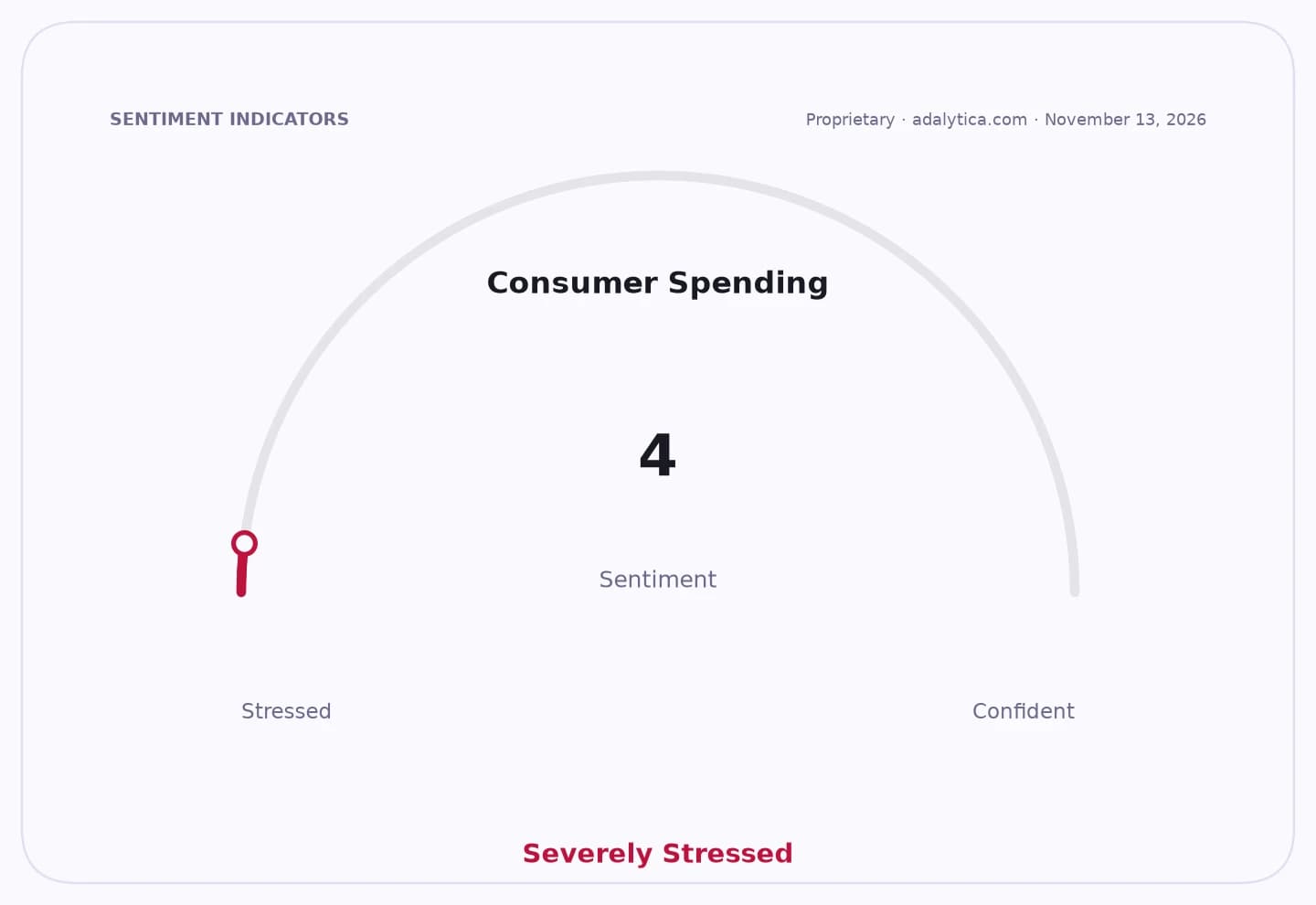
Sentiment Indicators
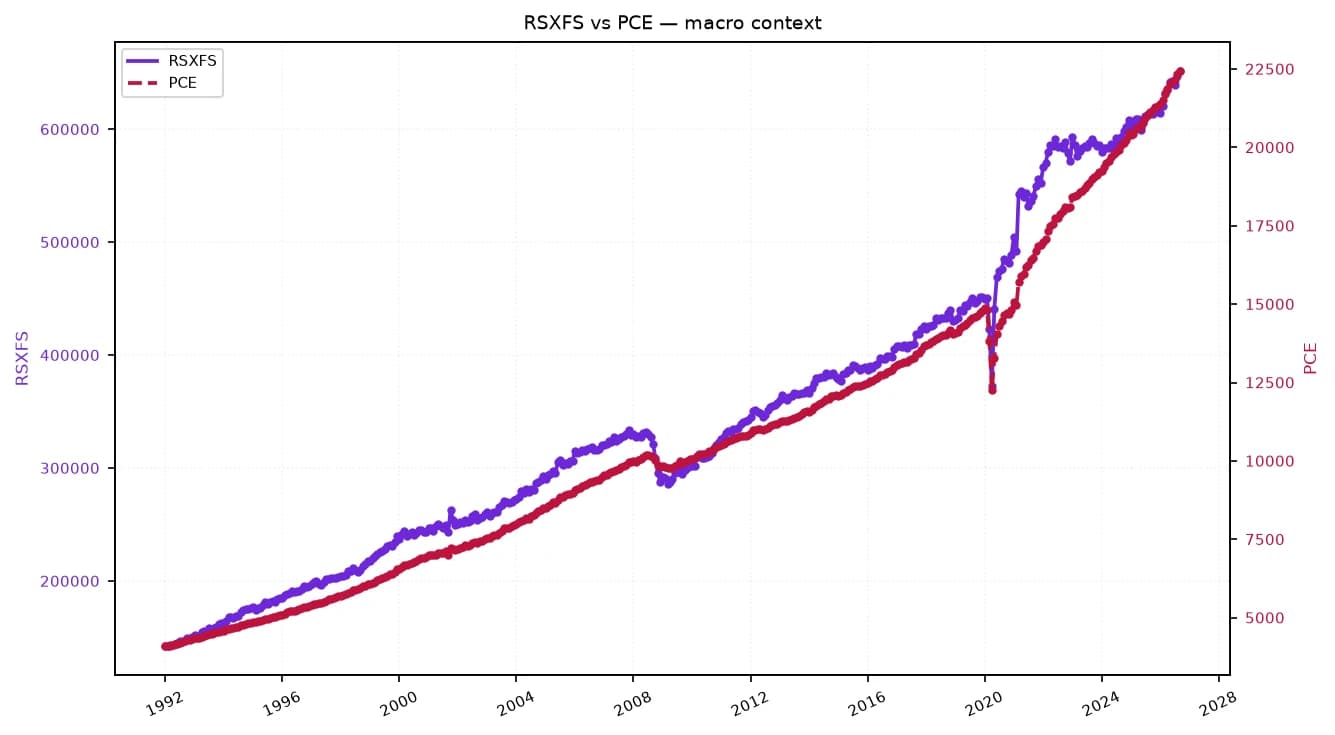
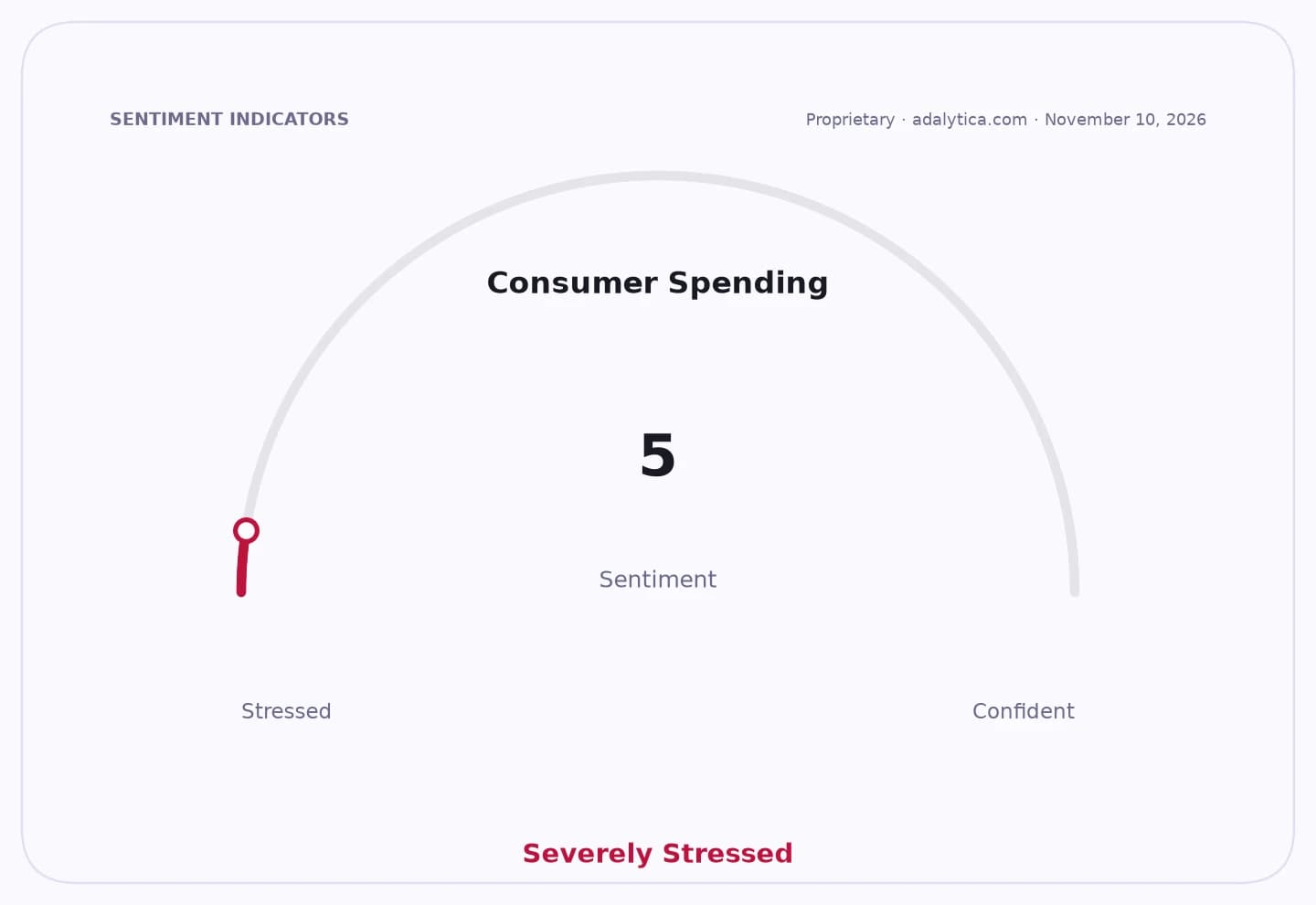
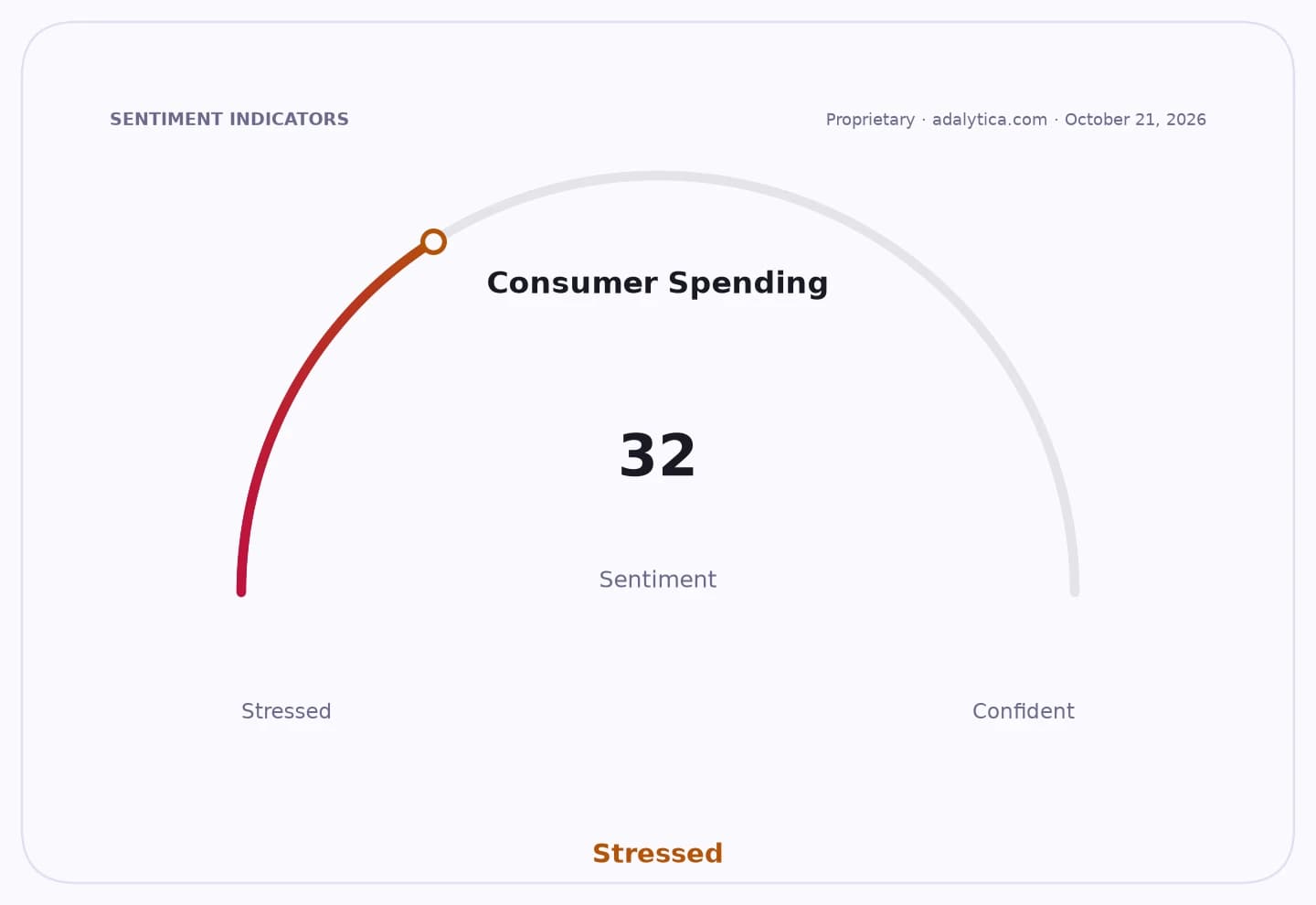
The warning lights are flashing well beyond one chain. Adalytica’s Consumer Spending Sentiment snapshot is in “Extreme Fear” at 4.0, while Retail Goods Spending Sentiment is also at 4.0 and has fallen sharply over the past month. That aligns with broader retail caution across global markets, where promotions are doing more of the work and consumers are becoming more selective even during holiday-heavy shopping periods. In the U.S., that typically means more pressure on grocers to defend traffic with discounts, private-label expansion and tighter merchandising.
For investors, this is where the market can misprice the grocery story. Defensive retail names often look safest when shoppers are worried, but margin protection becomes harder when the customer starts shopping like a bargain hunter. Value players such as Walmart are better positioned to absorb that shift, and its share price action reflects that relative strength: the stock has recovered to around $126 after a sharp summer selloff, while technical readings show momentum back above the 50-day moving average. Target has also rebounded, but its move remains more volatile and more dependent on broader discretionary spending.
RSXFS vs CPIAUCSL — macro contextadalytica.com
Explore this data interactively — full history, time series and cross-market comparisons.
Publix, by contrast, sits in the middle of a difficult stretch for premium grocers. It can still grow, but the mix matters now. If shoppers keep shifting toward lower-cost baskets, Publix will need to lean on execution rather than pricing power to hold share. That means more pressure on margins, less room for easy comp growth and a tougher read-through for the grocery segment overall.
The bigger investment takeaway is that the consumer is not collapsing — it is fragmenting. The winners are the chains that can capture value-seeking households without sacrificing scale, while the losers are the retailers that rely on a customer still willing to spend freely. If this fear phase persists into year-end, the next outperformance may come from the cheapest basket, not the nicest store.
| Entity | Gains | Losses |
|---|---|---|
| Walmart | ▲traffic from value shoppers | ▼less share for premium grocers |
| Publix | ▲loyal base, if it holds | ▼trading-down consumers |
| Target | ▲some rebound on promotions | ▼weaker discretionary basket |
| Consumers | ▲lower prices, more choice | ▼less premium service/value trade-up |