Andorran employers are pressing the government for more flexible labor quotas as a shortage of workers in commerce, construction and other fast-growing sectors starts to constrain expansion and retention.
Andorra employers seek more flexible labor quotas
The Confederació Empresarial (CEA) says the problem is no longer isolated to one industry and wants a “global solution” that lets quota decisions track actual staffing needs instead of waiting for annual deadlines. Gerard Cadena, the employers’ group president, said that as activity expands and hiring limits stay tight, companies are being forced to grow space and output without enough people to staff it.
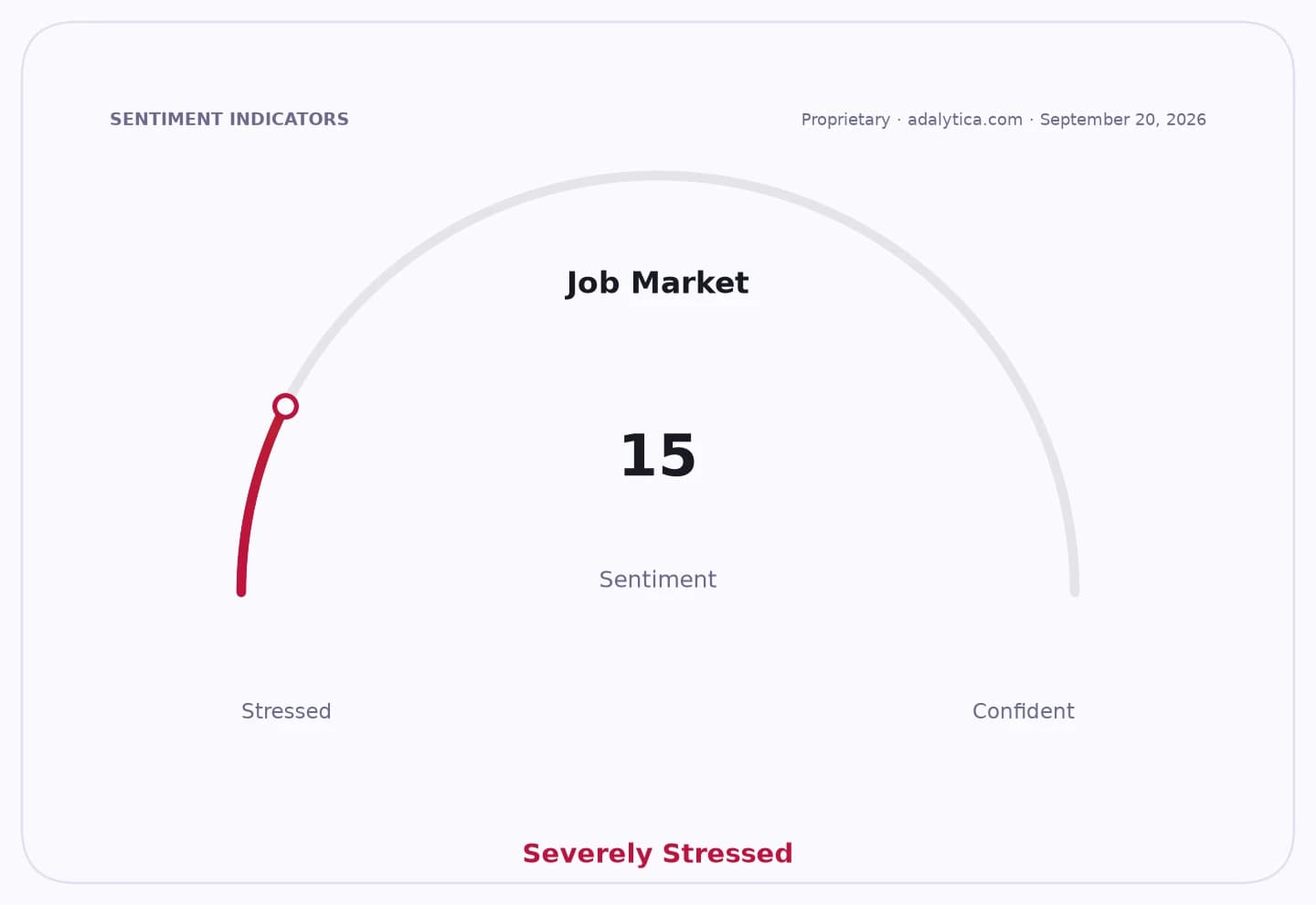
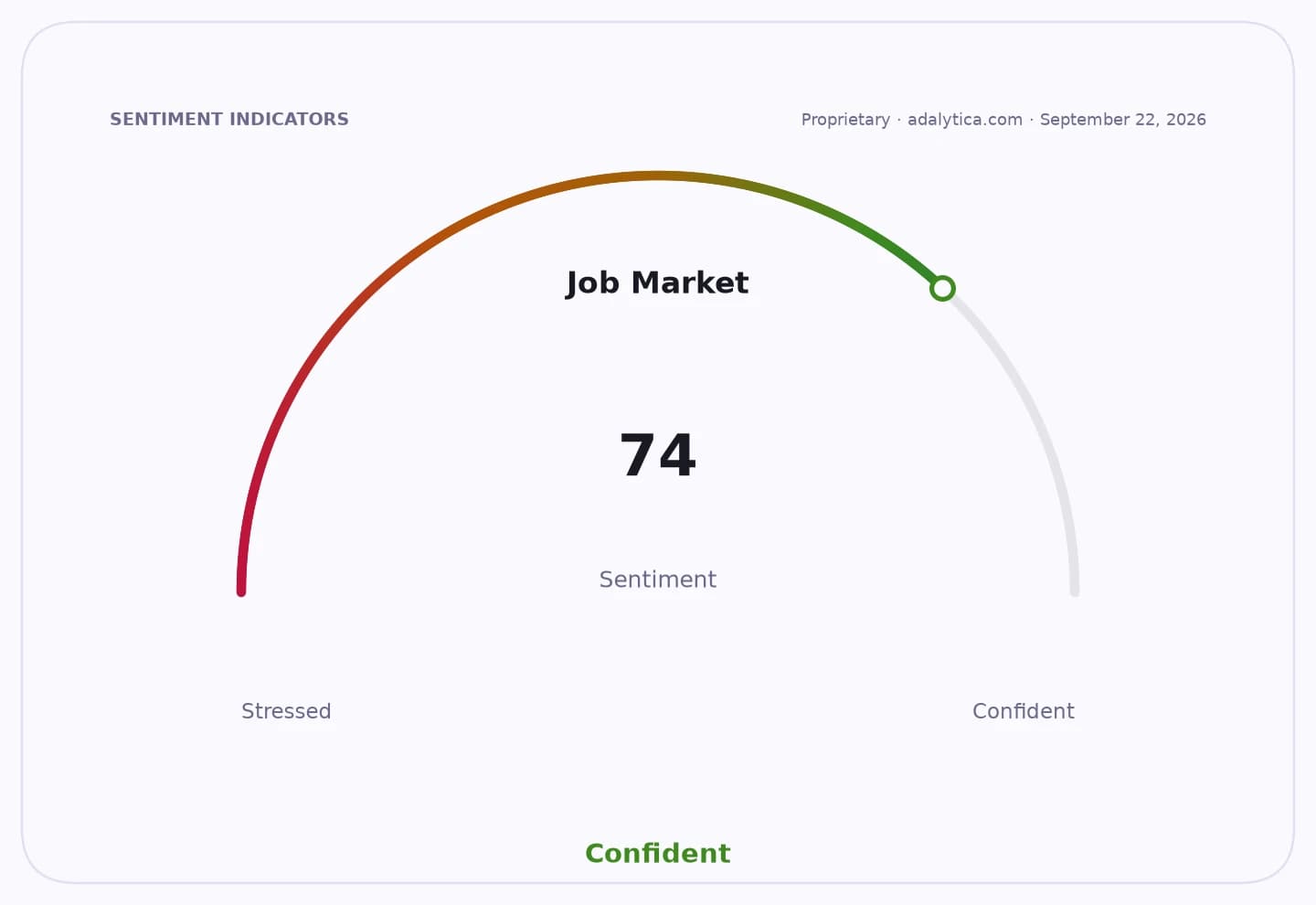
Sentiment IndicatorsⓘProprietary · adalytica.com · September 13, 2026
This is a snapshot — live sentiment, awareness and momentum for 130+ markets update continuously in the dashboard.Open AlphaPulse
The demand matters because labor scarcity can quickly become a hard cap on growth in a small economy. Commerce is pushing for more room to move workers between the general quota and seasonal permits, arguing that firms often use temporary slots but then lose the chance to keep workers on permanently, which raises turnover and training costs.
Construction faces the same squeeze. The government is still studying a future extraordinary quota, but it has not set the final number of workers or decided whether permits will be tied to one project or allow workers to move between sites. The CEA says any quota should cover the full chain of activity, not just bricklayers and laborers, but also electricians, plumbers, drivers, transporters and materials distributors.
The employers’ group is also seeking faster hiring channels as the country tightens checks on third-country workers under border-management arrangements with France and Spain. With current vetting timelines of 28 to 42 days, the CEA wants more recruitment in origin countries so workers can be selected and paperwork started before they arrive, cutting the process to roughly one to two weeks.
For investors and business owners, the issue goes beyond immigration procedure. Persistent labor bottlenecks can delay store openings, slow construction schedules and pressure margins in sectors that are otherwise benefiting from demand growth. That makes quota policy a direct lever for domestic capacity, wage pressure and near-term revenue growth in the retail and building trades.
The broader labor backdrop reinforces the pressure. Market data supplied with the story points to a tight jobs environment, and staffing and payroll firms typically benefit when employers need faster hiring, better retention and more flexible workforce solutions. Companies exposed to workforce movement and temporary placement stand to gain if quota rules loosen, while firms with open vacancies and project delays lose if approvals stay slow.
The next catalyst is the government’s decision on the construction quota and whether it adopts a more flexible framework for general and seasonal permits. Until then, employers are likely to keep arguing that quota restrictions, not demand, are becoming the binding constraint on growth.
| Entity | Gains | Losses |
|---|---|---|
| Employers/CEA members | ▲Easier hiring, lower turnover | ▼Labor shortages persist |
| Commerce and construction firms | ▲More staffing flexibility | ▼Project delays, retention losses |
| Staffing and payroll providers | ▲Higher demand for hiring services | ▼Slower quota reform |
| Workers with fixed contracts | ▲Better job conversion opportunities | ▼Longer approval waits |