Andreessen Horowitz is moving into education with a San Francisco AI academy that will waive tuition in year one, skip exams and pitch itself as an alternative to college for students trying to break into tech.
Andreessen Horowitz opens AI academy in San Francisco
The Horowitz Andreessen Academy is designed around project work rather than traditional coursework, reflecting a broader push in Silicon Valley to train talent faster for the AI economy than four-year universities can. The first cohort is expected to include about 50 students when the program opens in the fall of 2027, with applicants already being accepted.
The move matters because it takes aim at one of the biggest bottlenecks in AI: skilled labor. Startups and large tech companies are racing to hire engineers who can build, deploy and scale AI products, and the academy is betting that a shorter, more hands-on model can produce job-ready talent — and potentially founders — more quickly than a conventional degree.
The program will be free for its inaugural year and is aimed at high school graduates aged 16 to 20, as well as students who have completed up to two years at elite universities, according to CBS News. It will not be accredited at launch, and the curriculum will devote roughly 75% to 80% of students’ time to projects or their own ideas, with the rest spent on subjects including inference engineering, AI application development, system design, fundraising, sales and interpersonal skills.
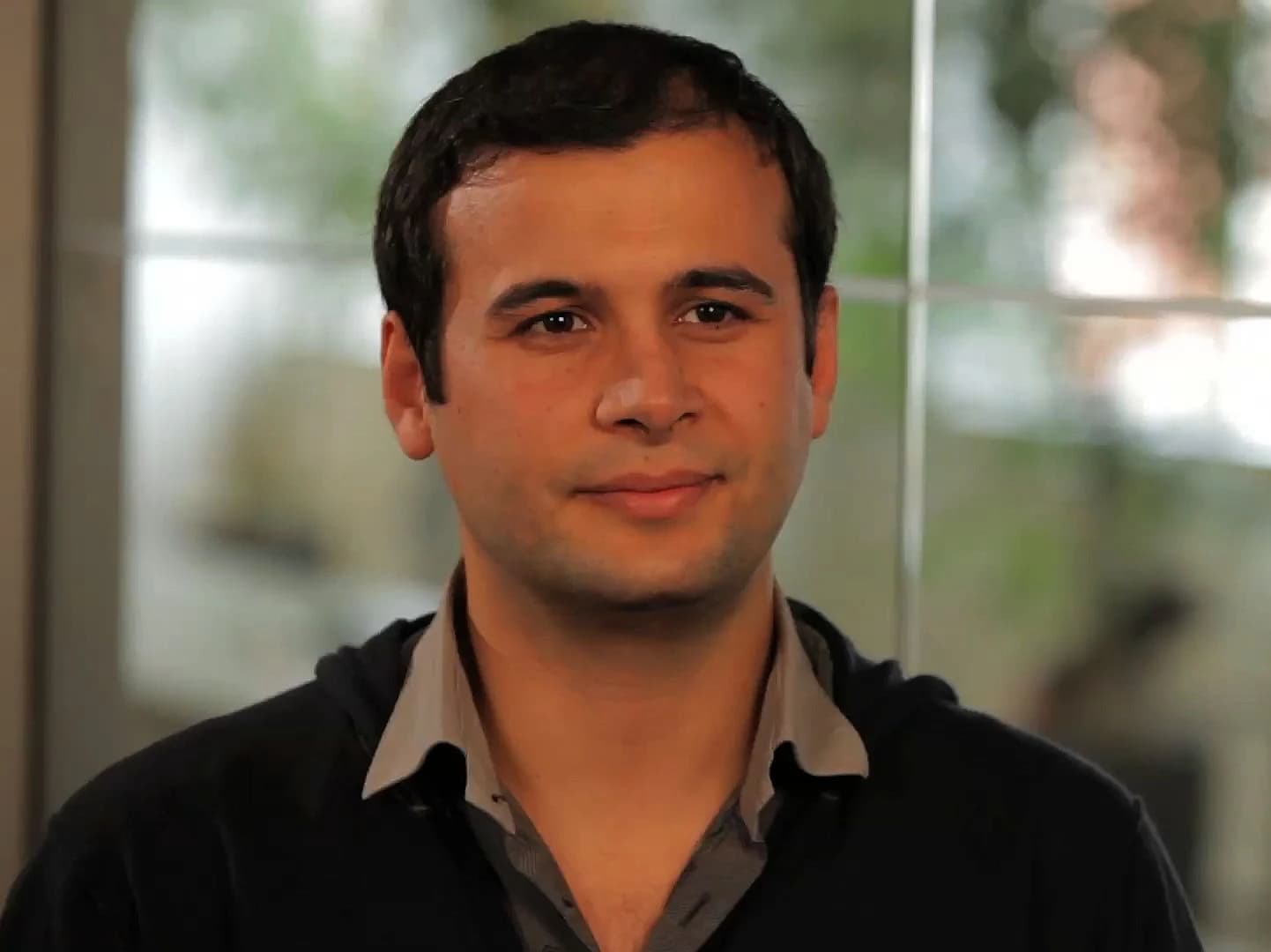
Gagan Biyani, the academy’s chief executive and co-founder of Udemy, told Bloomberg Technology the school is prioritizing “proof of work” over grades, underscoring the venture-world view that portfolios and execution now matter more than classroom credentials. Admission will require portfolios, interviews and reasoning tests.
The academy is backed by $42 million in seed funding, with Andreessen Horowitz contributing $35 million and investors including Anthropic, Google, Meta, Nvidia, OpenAI and Palantir joining the round. That roster gives the project both financial heft and immediate industry relevance, while also deepening the role of big AI companies in shaping the talent pipeline.
The structure also gives Andreessen Horowitz a potentially useful window into early-stage talent and ideas. Biyani said the academy is an independent company rather than an extension of a16z, but Marc Andreessen is joining the board, and the firm’s portfolio spans about 850 companies with 18,000 open jobs, giving graduates a direct path into the startup economy.
The venture sits inside a wider challenge to traditional higher education as tuition and student debt remain under pressure. If regulators approve a two-year expansion slated for fall 2028, Biyani said the price could match or exceed elite private universities, which already cost more than $100,000 a year including housing and other expenses at schools such as Duke, Barnard, Georgetown and New York University.
For investors, the story reinforces a fast-growing market for alternative education models tied to AI and workforce training. It also highlights how venture capital is increasingly looking beyond software to control the pipeline that feeds it, with the next catalyst being whether the academy gains regulatory approval, attracts its first cohort and proves it can place students into the AI job market.
| Entity | Gains | Losses |
|---|---|---|
| Andreessen Horowitz / Horowitz Andreessen Academy | ▲Access to AI talent pipeline | ▼Higher execution and regulatory risk |
| AI startups and tech employers | ▲Job-ready candidates | ▼Traditional degree filters lose relevance |
| Students seeking tech careers | ▲Free first-year training | ▼No accredited degree at launch |
| Universities | ▲None | ▼More competition for top applicants |