July 3, 2026 — Alibaba Group came under fresh market pressure after Anthropic accused the Chinese technology giant of using about 25,000 fake accounts to illicitly access and copy features from its Claude artificial intelligence model, escalating a dispute that cuts across AI, intellectual property and U.S.-China technology tensions.
Anthropic Accusation Pressures Alibaba AI Narrative
The allegation matters because Alibaba’s investment case increasingly depends on cloud computing and AI growth, not just e-commerce. If Anthropic’s claims are substantiated, the company could face legal exposure, tighter regulatory scrutiny and greater difficulty accessing overseas AI tools, talent and partnerships at a time when global technology firms are racing to commercialize large language models.
Sentiment IndicatorsⓘProprietary · adalytica.com · July 3, 2026
This is a snapshot — live sentiment, awareness and momentum for 130+ markets update continuously in the dashboard.Open AlphaPulse

Anthropic described the alleged activity as the largest known “distillation attack,” a technique in which outputs from one AI model are used to train or improve another. Alibaba has responded by blocking employees from accessing Anthropic’s Claude code, according to the news context, a defensive step that underscores the potential sensitivity of the accusation.
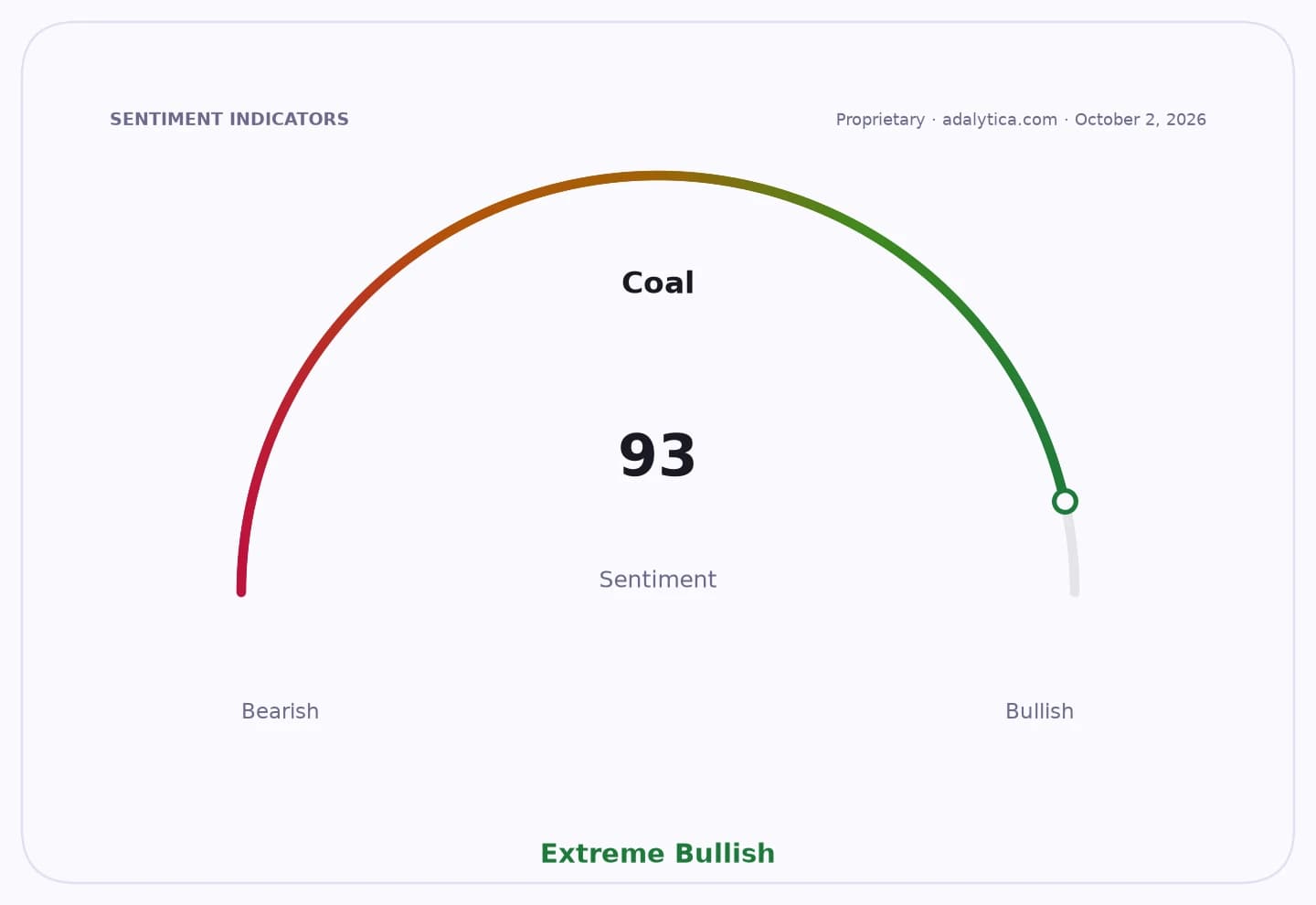
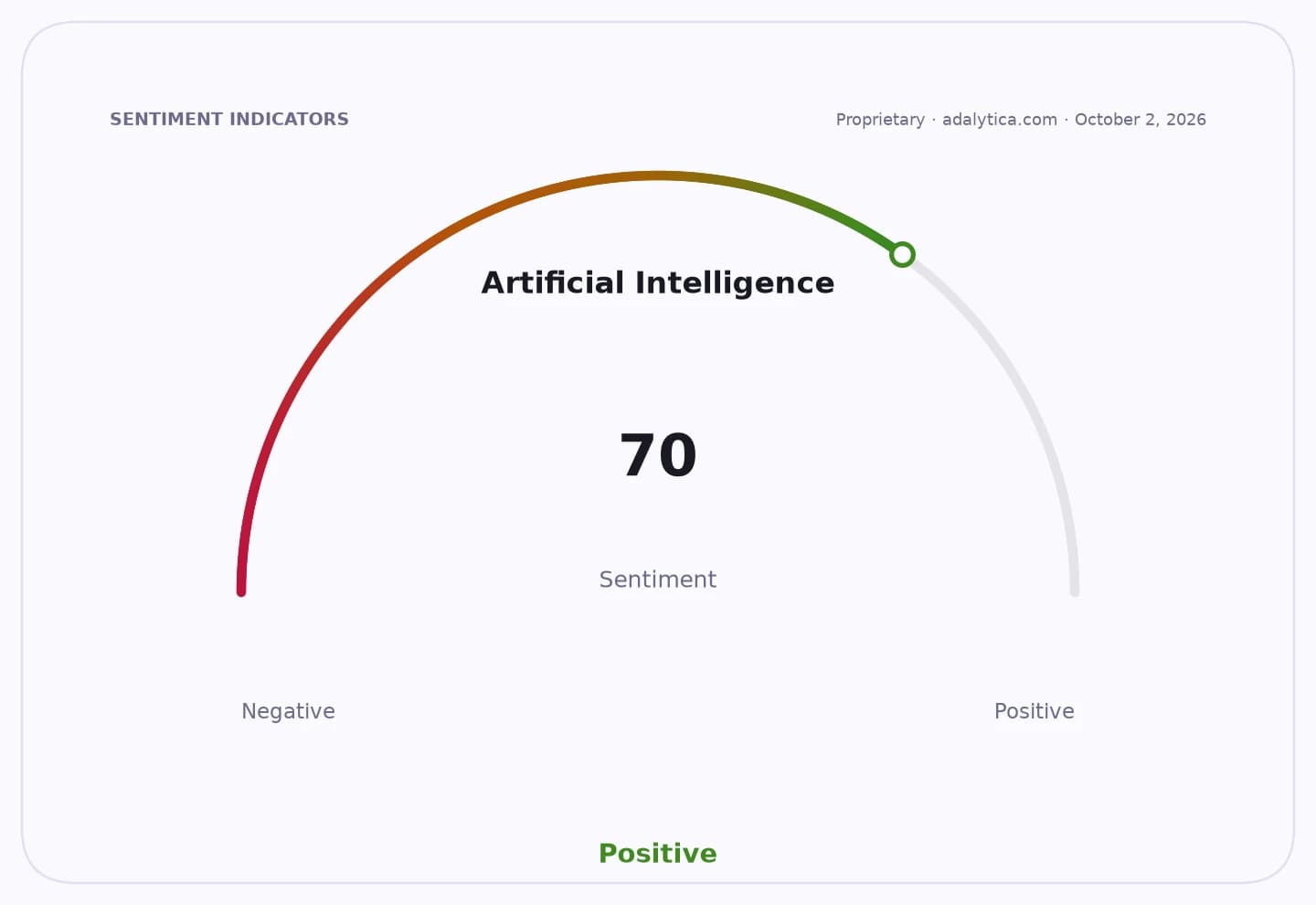
Investor concern was already visible in proprietary indicators from Adalytica.com. Its Alibaba earnings sentiment gauge fell to 4 on July 3, labeled “Extreme Fear,” down 37 points in one day and 22 points over the past week, while awareness remained at a neutral 70. The move signals that the dispute is being read less as a narrow legal fight and more as a risk to Alibaba’s AI credibility and valuation narrative.
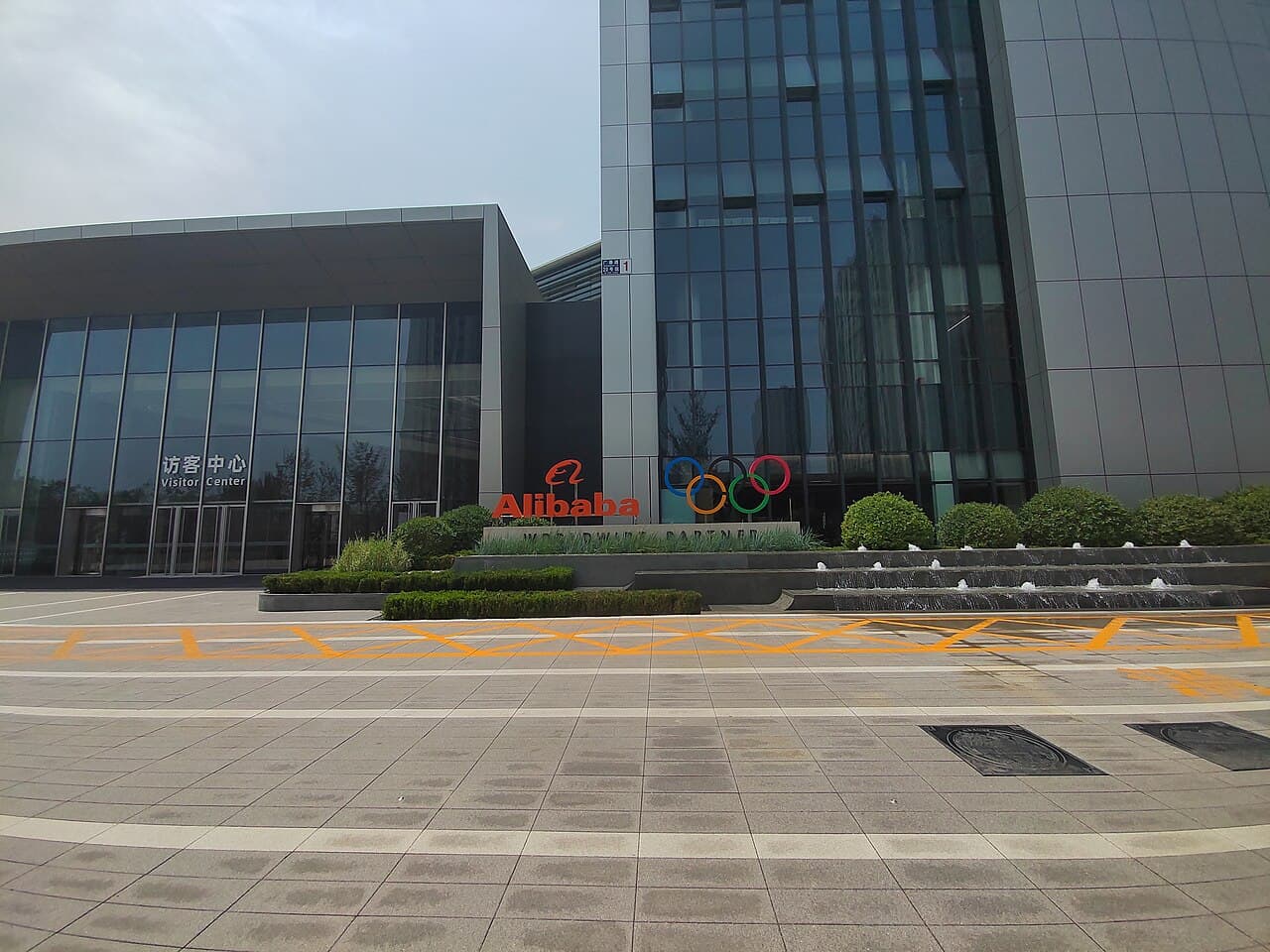
The case also lands in a politically charged market. U.S. officials have raised concern over China’s growing scrutiny and competitive tactics in AI, and the Anthropic-Alibaba clash could sharpen calls for tougher controls around model access, cross-border AI collaboration and intellectual property enforcement. For Chinese technology shares, that raises the risk premium attached to businesses trying to compete globally while navigating Washington-Beijing friction.
The next market test will be whether the dispute stays contained as a corporate IP fight or becomes a trigger for investigations, access restrictions or retaliatory policy moves. For Alibaba, the near-term issue is reputational damage; the longer-term risk is that AI becomes a costlier and more constrained growth engine.
| Entity | Gains | Losses |
|---|---|---|
| Anthropic | ▲Stronger IP enforcement case | ▼China market access risk |
| Alibaba | ▲Internal controls tightened | ▼AI credibility and sentiment |
| U.S. AI rivals | ▲Regulatory tailwind | ▼Higher compliance scrutiny |
| Alibaba investors | ▲Clearer risk pricing | ▼Valuation pressure |