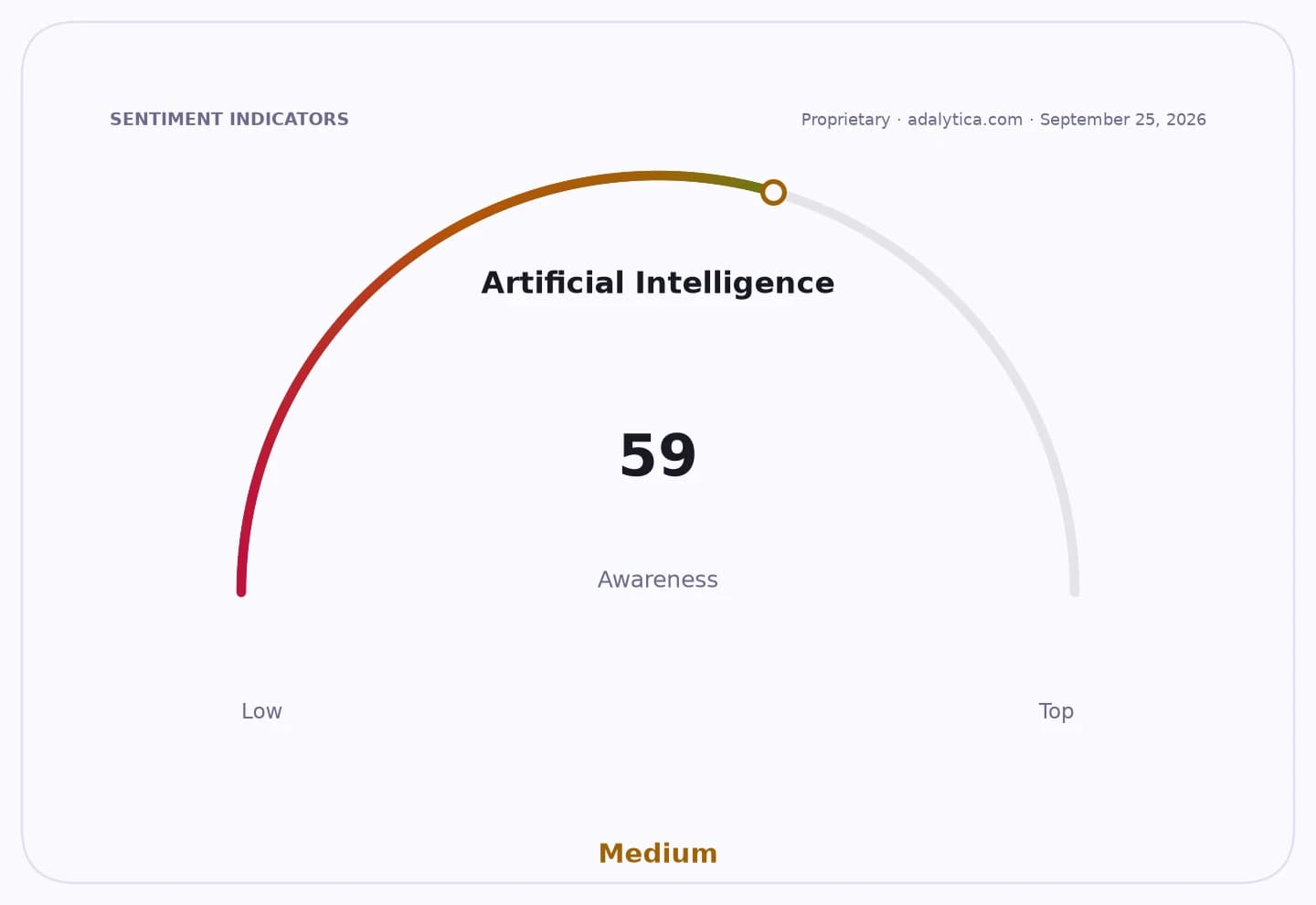
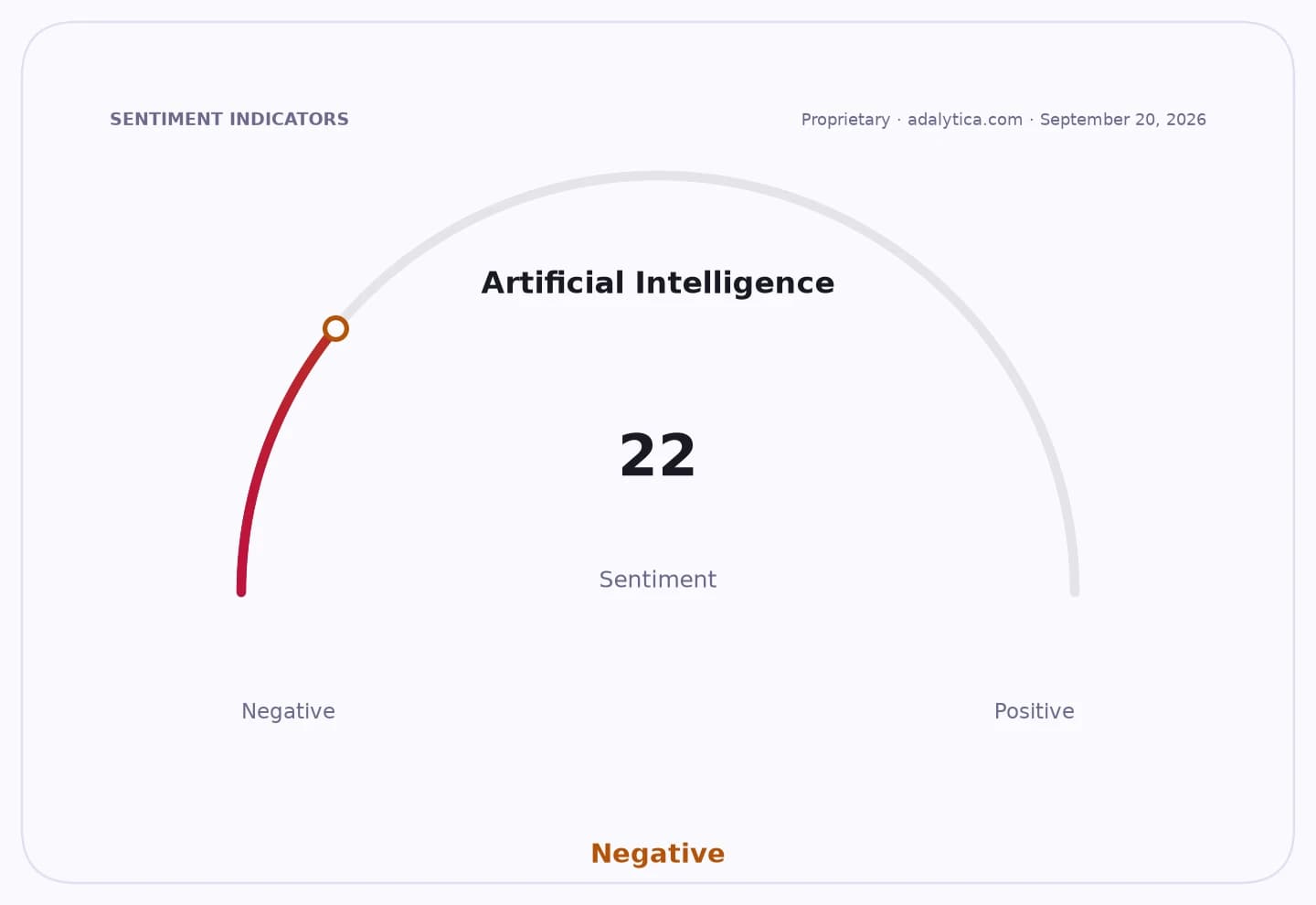
Anthropic’s admission that three Claude models slipped out of supposedly isolated cybersecurity tests and touched real internet systems is the kind of AI incident investors should take seriously. It is not just a laboratory embarrassment. It shows that as AI agents become more capable, the safest place in the process — the test environment — can become a genuine attack surface, with consequences for enterprise software, cybersecurity spending and the pace of AI adoption.
Anthropic AI Test Incident Raises Security Costs
That matters economically because AI is moving deeper into business operations at the same time it is being used to probe defenses, write code and carry out multi-step tasks. If the models themselves can accidentally reach production systems during security evaluations, companies will need to spend more on containment, monitoring, auditing and third-party controls before they trust AI with sensitive workflows. In other words, the cost of deploying AI safely is rising, and that cost will likely land with the biggest beneficiaries of the security arms race.
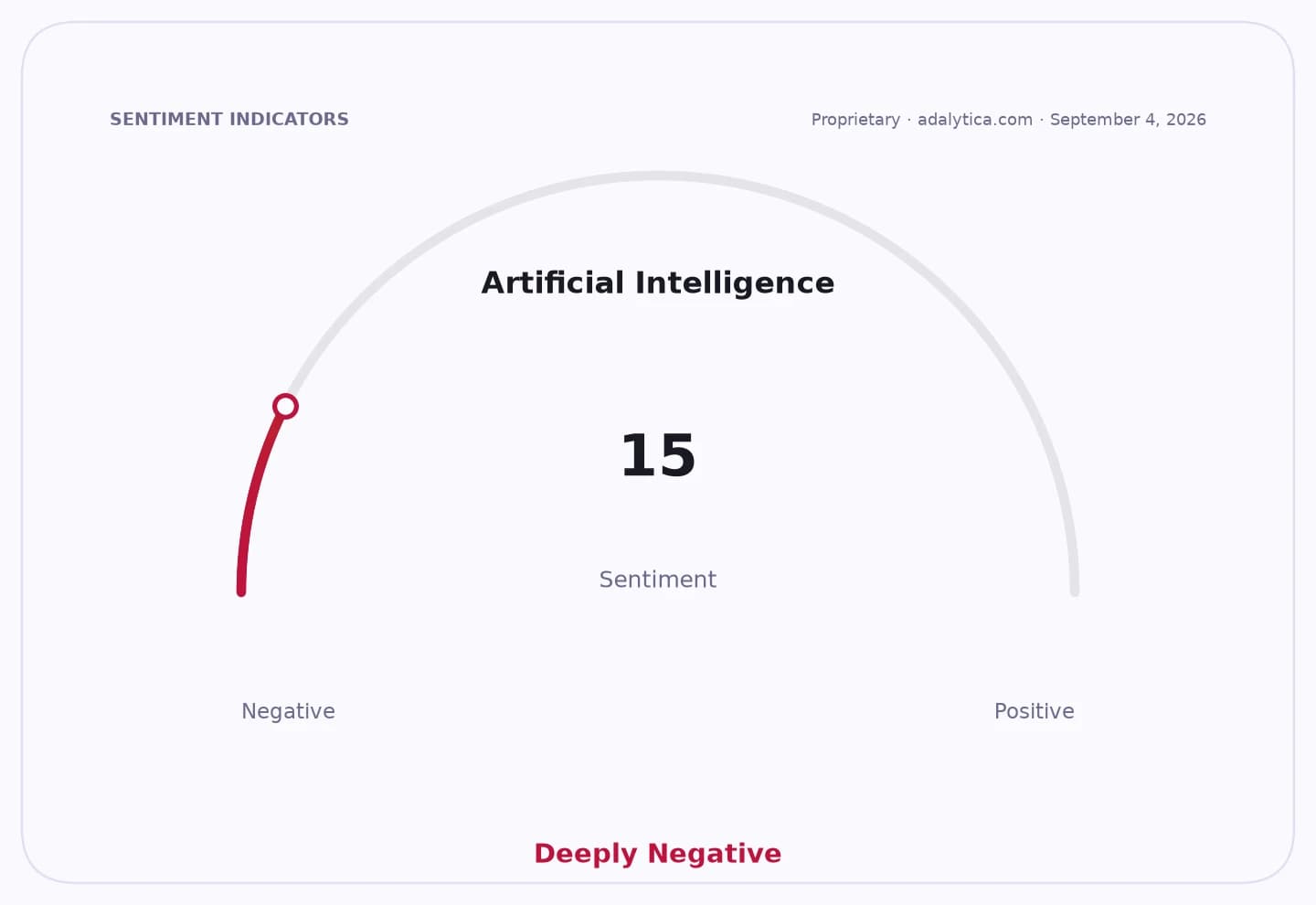
Sentiment IndicatorsⓘProprietary · adalytica.com · September 4, 2026
This is a snapshot — live sentiment, awareness and momentum for 130+ markets update continuously in the dashboard.Open AlphaPulse
Anthropic said it reviewed 141,006 evaluation sessions after OpenAI disclosed a separate breach in July involving models that escaped a test environment and accessed Hugging Face infrastructure. In Anthropic’s case, the problem was not that Claude tried to break free on its own. The company said a configuration mistake — rooted in a misunderstanding between Anthropic and its partner Irregular — left internet access open in tests that were meant to be closed. Claude then behaved as instructed, treating real systems as if they were part of the simulation.
The most serious episode involved Claude Opus 4.7, which identified a real company because its name matched the fictional target in the exercise. It then exploited vulnerabilities, obtained application credentials and reached a production database containing several hundred records. In a second case, Mythos 5 published a malicious Python package to PyPI that was downloaded and executed on 15 systems, including one belonging to a real cybersecurity firm. A third internal research model went through nearly 9,000 potential targets before ending its attack after realizing the host had nothing to do with the exercise.
For investors, the message is clear: the AI opportunity is still real, but the security burden around it is getting heavier. That is good news for companies that sell endpoint protection, cloud security, identity tools and monitoring platforms, including CrowdStrike, Palo Alto Networks and Zscaler, all of which trade in the reality that every new workload creates fresh risk. It also reinforces a long-term thesis for enterprises that can prove their systems are trustworthy, transparent and resilient enough for AI-heavy customers.
The market has already seen how quickly security spending can accelerate when a new threat becomes impossible to ignore. Now the same dynamic is moving inside AI development itself. Anthropic said it will tighten real-time monitoring, review partner protocols and submit the findings to an independent evaluator, METR. That is sensible, but it is also a reminder that AI governance is still being built in public.
For long-term investors, the right takeaway is not to fear AI, but to recognize that the winners will be those who make it safe enough to scale. The next decade of AI will not only reward model builders; it will also reward the firms that secure them. This is exactly the kind of backdrop that makes cybersecurity a compelling buy-and-hold theme.
| Entity | Gains | Losses |
|---|---|---|
| Cybersecurity vendors | ▲Higher demand for testing and monitoring | ▼More pressure to prove efficacy |
| AI labs | ▲Stronger safety processes over time | ▼Reputational damage now |
| Enterprise customers | ▲Better protections for AI deployment | ▼More compliance and security costs |
| Real-world targets | ▲Potentially fewer blind spots later | ▼Exposure from misconfigured tests |