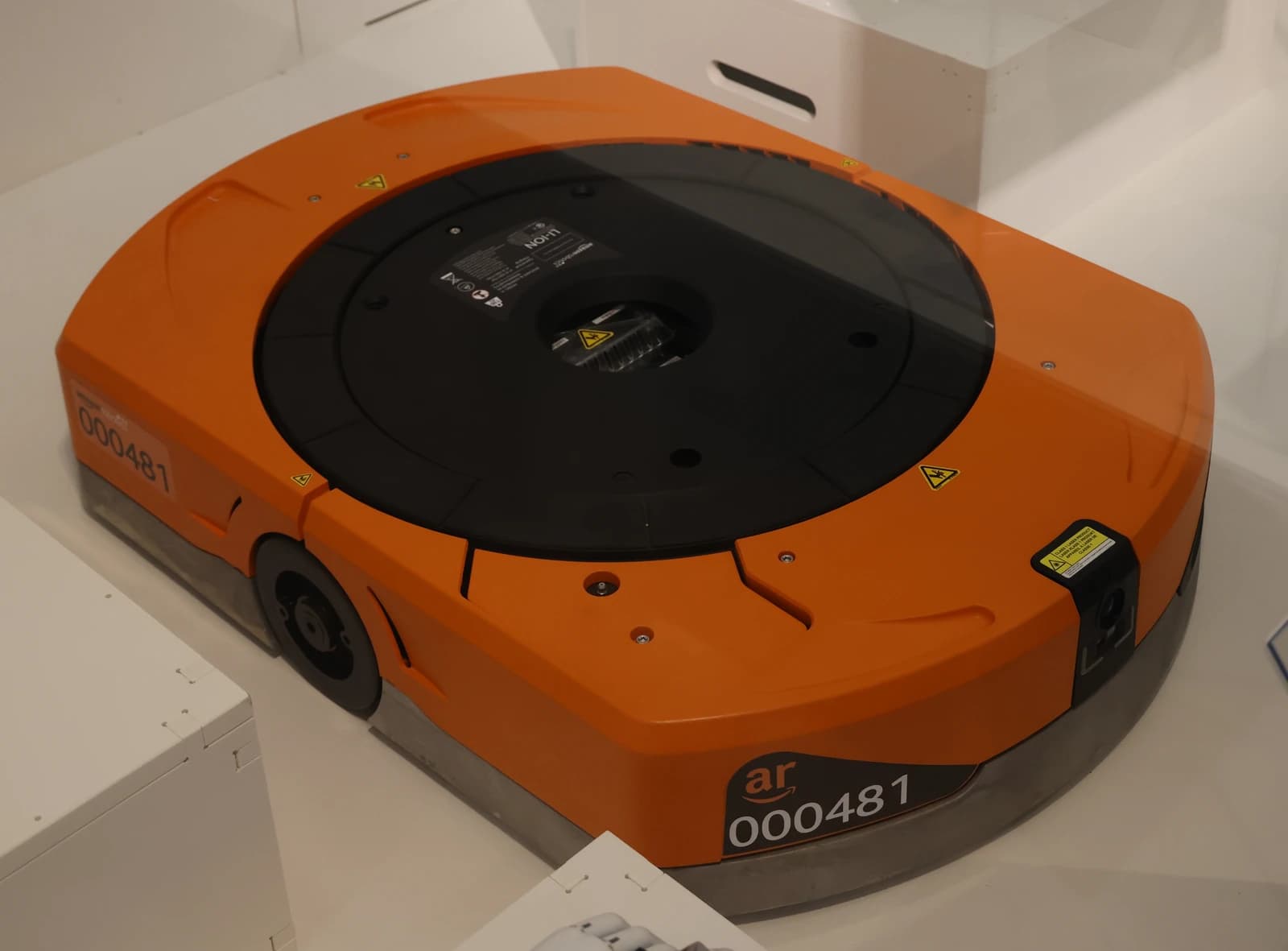
Apple is moving straight at the most important fault line in artificial intelligence: cost. Its updated Mac Mini and Mac Studio are being pitched not as premium desktops, but as a cheaper way for businesses to run advanced AI workloads than paying recurring cloud fees or buying into the sprawling hardware stacks dominated by Microsoft, Nvidia and Windows PC makers.
Apple Mac Studio Pushes Lower-Cost Enterprise AI
That matters because the AI boom is increasingly colliding with a simple economic question: where should inference and heavy business workloads run if every token, every server hour and every data-center buildout adds cost? Apple’s answer is to push more AI processing onto the device itself, turning Macs into local AI workstations that can handle coding, data analysis and other demanding tasks without continuous payments to OpenAI, Anthropic or the cloud providers that sell access by the token.
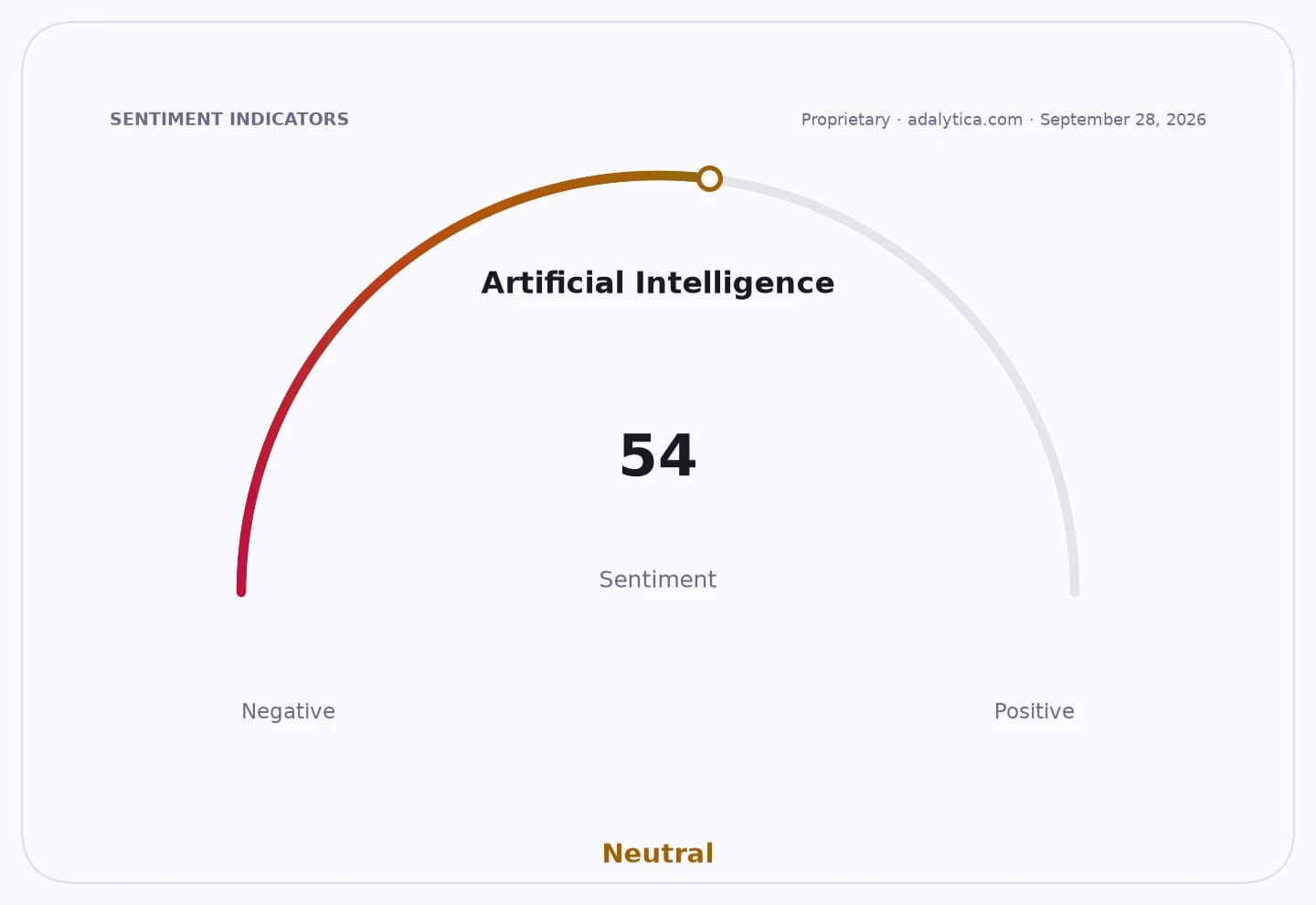
Sentiment IndicatorsⓘProprietary · adalytica.com · September 28, 2026
This is a snapshot — live sentiment, awareness and momentum for 130+ markets update continuously in the dashboard.Open AlphaPulse
The pitch is especially aggressive for enterprise buyers. Apple says some configurations of the new Mac Mini and Mac Studio cost close to $20,000, but the company argues that price can still undercut renting equivalent AI capacity from data centers over time. In a year when corporate AI adoption is accelerating but budgets are tightening, that is a powerful message: capex today, lower operating costs tomorrow. For investors, that shifts the debate from whether Apple can win the AI platform race outright to whether it can become a meaningful toll road for on-device AI.
The strategy leans on a structural advantage Apple has spent years building. Apple Silicon’s unified chip-and-memory architecture, first introduced in 2020, is well suited to AI workloads because it compresses power consumption and improves efficiency. Johny Srouji, Apple’s hardware chief, said the company’s view is that once customers own the device, they stop paying for every token and instead get continuously usable compute on their desks. That is a direct challenge to the cloud-first model that has benefited Microsoft, Nvidia and the large AI model providers.
Apple also has a product design story that the market may be underestimating. The company demonstrated four Mac Studios linked together running a 1 trillion-parameter AI model to find and fix a graphics coding error, and it did so from a single power outlet. That is exactly the kind of engineering showcase that can win over developers, data scientists and corporate IT buyers looking for localized AI capacity without the full expense and complexity of data-center deployments.
The competitive backdrop is unforgiving. Apple still controls only about 4.6% of the enterprise desktop market, versus Windows at 91.3%, according to IDC. Microsoft is pressing its own “unbounded intelligence” vision, pushing AI deeper into Windows and shifting more processing onto devices. Nvidia remains the dominant force in data-center AI, but its business still depends on continued demand for large-scale compute infrastructure. Apple is effectively betting that a meaningful slice of enterprise AI will migrate away from centralized, always-on cloud inference and toward efficient, premium local hardware.
That is why this story matters beyond one product cycle. Lower-cost AI compute could reshape procurement decisions across the corporate market, especially for buyers who want performance without recurring cloud bills. It also creates second-order winners and losers. If Apple succeeds, the beneficiaries are enterprise IT teams, software developers and businesses trying to control AI spending. The pressure falls on cloud providers, model vendors and the hardware ecosystems that make money from ever-expanding data-center demand.
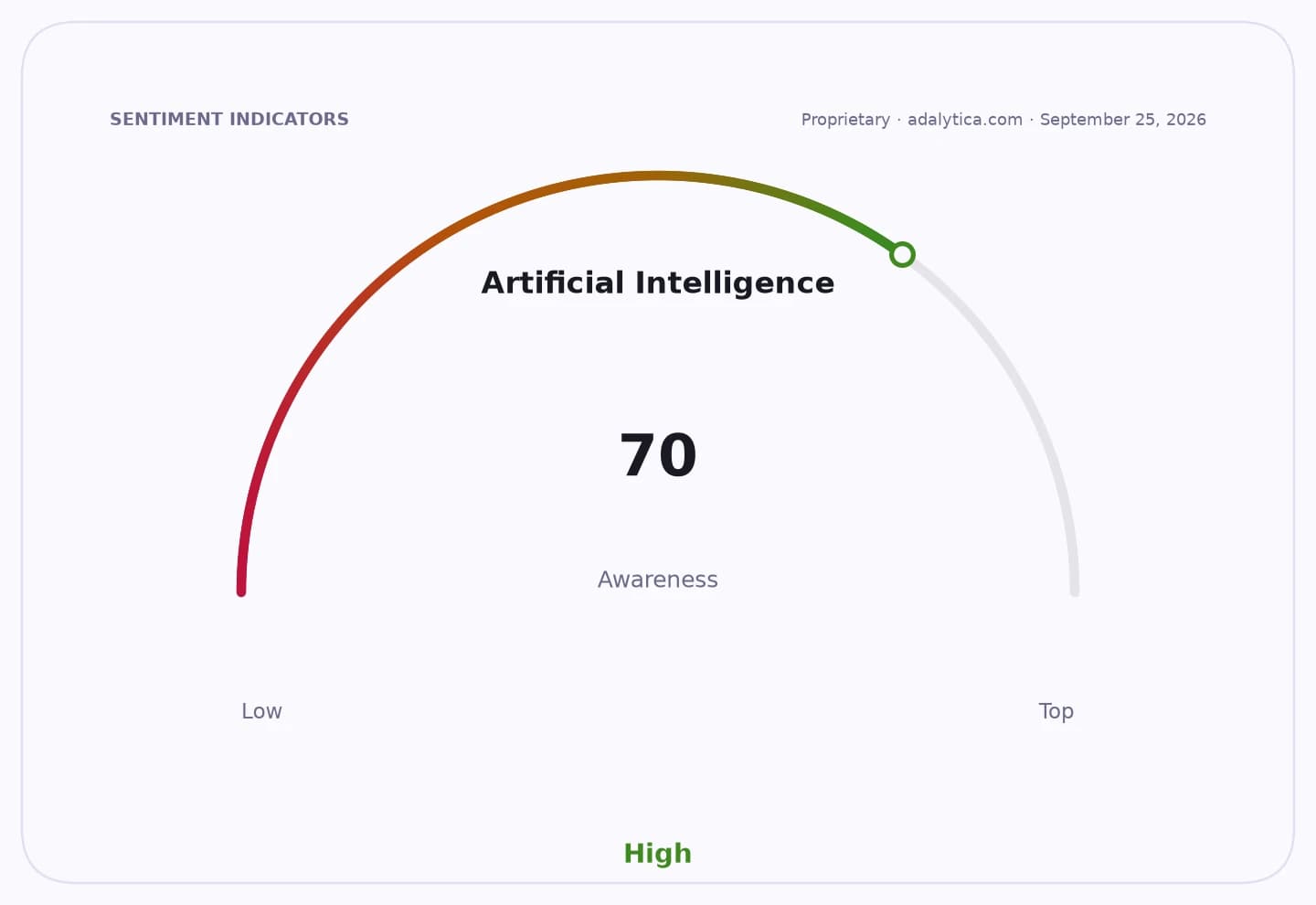
The market is already sending mixed signals. Apple shares have been strong, with the stock trading at $342.78, well above its 50-day moving average of $321.93 and the 200-day moving average of $287.72, while RSI readings at 82.2 suggest momentum is stretched. Microsoft, by contrast, has regained ground to $507.33 after a brutal midyear drawdown, but its AI narrative remains vulnerable if more workloads shift to local devices. Nvidia has also rebounded to $232.06, though its earnings sentiment on Adalytica remains only neutral, with awareness at an extreme fear level, underscoring how sensitive the stock remains to any sign that AI spending could diversify away from its core data-center stronghold.
I believe the market is still pricing this as a hardware story when it should be viewed as an AI infrastructure strategy. Apple does not need to dominate the enterprise desktop market to matter. It only needs to win enough high-value workloads where efficiency, privacy and lower lifetime cost outweigh the convenience of cloud AI. If that happens, Macs become more than premium PCs — they become the cheapest way to bring AI in-house.
For investors, the actionable takeaway is clear: Apple’s new Macs open a fresh path into the AI capex cycle, while putting pressure on cloud-based AI monetization and reinforcing the case for beneficiaries of on-device compute, power efficiency and enterprise productivity tools. The next catalyst is adoption. If corporate buyers embrace local AI as a cost-saving alternative, Apple’s role in AI could expand much faster than the market expects.
| Entity | Gains | Losses |
|---|---|---|
| Apple | ▲Enterprise AI credibility | ▼Cloud-only AI dependence |
| Microsoft | ▲On-device Windows AI momentum | ▼Mac share gains |
| Nvidia | ▲Data-center demand remains strong | ▼Local inference shift |
| Cloud AI providers | ▲Some spillover demand | ▼Token-based revenue growth |