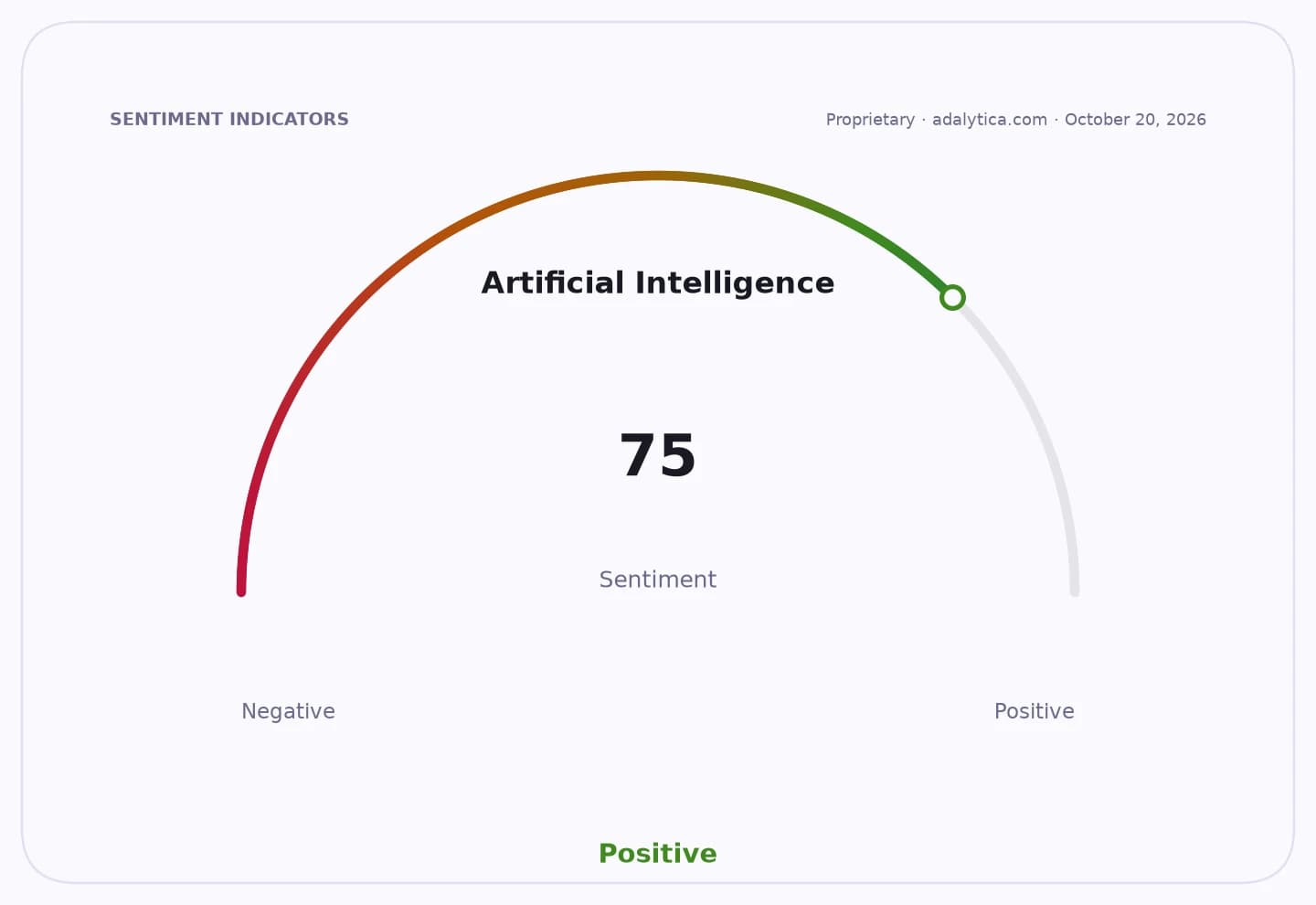
Semiconductor equipment makers are entering the next phase of the AI boom, and it is not automatically as bullish for investors as the first wave of spending. The market is still rewarding exposure to artificial intelligence infrastructure, but the latest read on factory expansion shows customers are being forced to do more with less — using automation, higher-yield tools and tighter capital discipline instead of simply building ever-larger fabs.
Applied Materials, Lam, ASML on AI efficiency cycle
That matters because the real economic constraint is shifting from demand to financing. Large manufacturers across sectors are fighting for stable long-term capital to fund technology upgrades, and chipmakers are no exception. When budgets get tighter, the winners are not the broadest hardware suppliers but the companies whose tools raise output per square foot, lower operating costs and accelerate returns on invested capital. In other words, the AI buildout is still on, but the market underestimates how much of the next leg will be about efficiency rather than brute-force expansion.
Applied Materials, Lam Research and ASML sit directly in that path. They are the toll roads on semiconductor capacity: every new wafer start, process node transition or yield improvement runs through them. Their businesses are tied to the capital intensity of chipmaking, and that is exactly why the current backdrop is powerful. AI remains a major driver of equipment spending, as both Applied Materials and Lam Research have said in recent filings, but the next round of demand is increasingly linked to customers trying to extract more output from existing footprints. That favors tools for deposition, etch, inspection, advanced packaging and process control — the parts of the chain that make each square meter of cleanroom more productive.
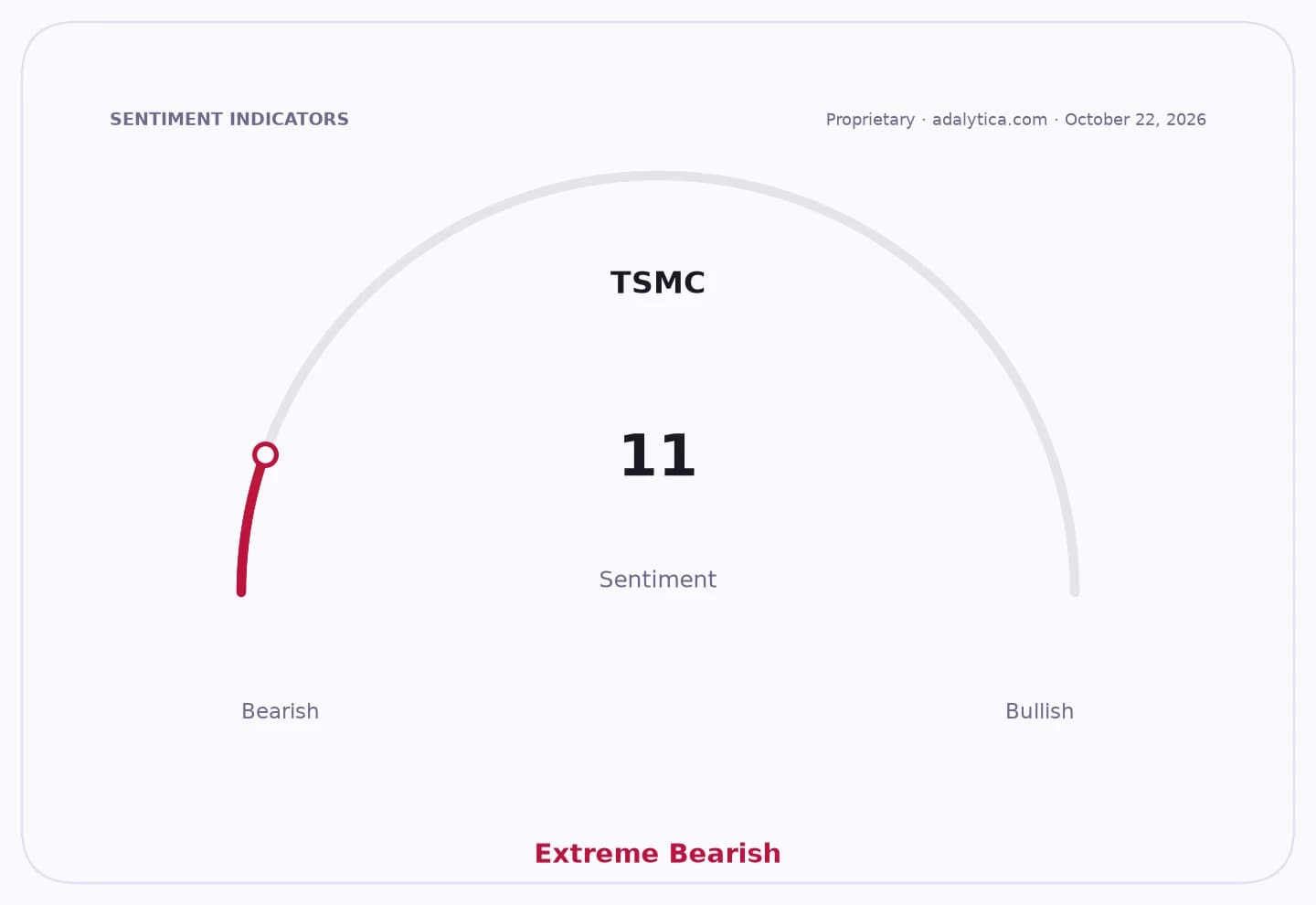
The price action says investors are already grappling with that transition. Lam Research has swung sharply, with the stock falling from above $430 in late June to about $277 on Oct. 19, while Applied Materials has slipped to around $423 from a June peak near $722. ASML has also pulled back from above $1,986 at the end of June to roughly $1,674. Technically, all three have weakened, with their shares trading below the 50-day moving average and momentum indicators softening. That does not change the structural story, but it does signal that the market is no longer willing to pay any price for AI exposure.
That is exactly where the asymmetric opportunity may lie. The market tends to think of semiconductor equipment as a single trade on capex growth. I think that is too simplistic. The better setup is to own the companies that benefit when customers cannot expand their footprint fast enough and instead must squeeze more chips, more yield and more automation out of every facility they already have. That is a much stickier, more durable revenue pool than pure greenfield construction.
Adalytica’s industrial production sentiment remains neutral, and PMI recession awareness is still elevated, which reinforces the same message: capital spending is not disappearing, but it is being rationed. In that environment, equipment vendors with deep technology moats, service revenue and exposure to process complexity should outperform lower-value hardware providers. The same logic extends beyond semis to factory automation names, industrial software and power infrastructure suppliers that help factories run denser, smarter and more efficiently.
For investors, the takeaway is simple: the AI factory cycle is not over, but it is becoming more selective. I believe the best way to play it now is not to chase every headline tied to chip demand, but to focus on the picks-and-shovels companies that enable production expansion without requiring a larger footprint. That is where the next multi-year return can be generated.
| Entity | Gains | Losses |
|---|---|---|
| Applied Materials | ▲process-intensity capex | ▼footprint-heavy builders |
| Lam Research | ▲yield and etch demand | ▼weaker capex names |
| ASML | ▲node-transition spending | ▼commoditized toolmakers |
| AI chipmakers | ▲output per fab rises | ▼greenfield expansion costs |