AppLovin’s sharp selloff has turned a once-highflying ad-tech name into a test case for how quickly markets can unwind a crowded growth trade when expectations outrun fundamentals.
AppLovin Falls Below Key Moving Averages
The stock closed at $268.22 on Oct. 2, down from $724.62 on Dec. 9, a decline of more than 60% from its recent peak and a move that has erased a large share of its 2026 gains. The latest leg lower came with heavy volume and technically weak readings: the shares are now well below both the 50-day and 200-day moving averages, while the 14-day RSI has fallen to 20.1, typically a sign of deeply oversold conditions. For investors, the speed of the reversal matters as much as the level, because it suggests the market is no longer pricing AppLovin as a simple growth compounder but as a company facing a more demanding setup.
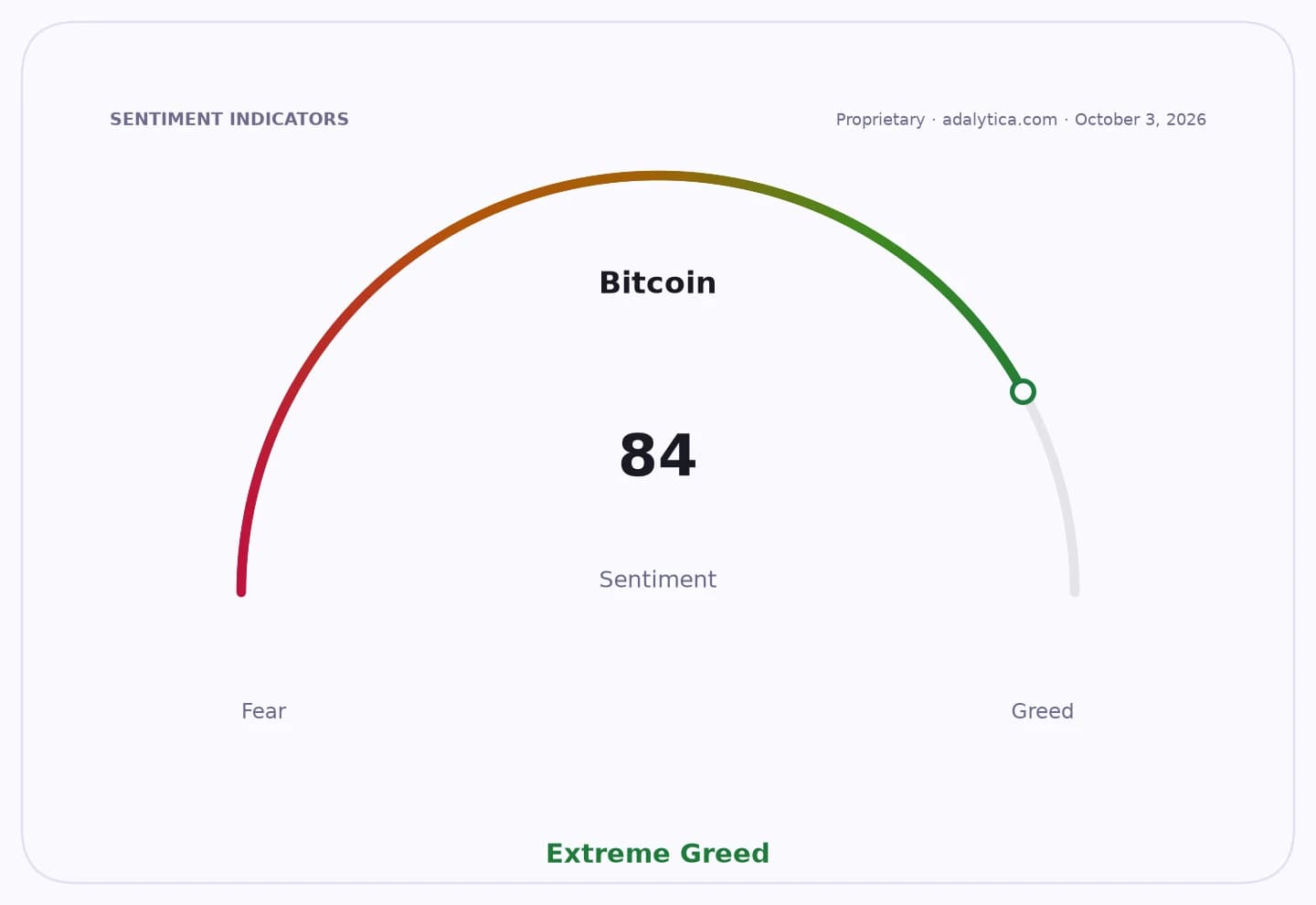
Sentiment IndicatorsⓘProprietary · adalytica.com · October 4, 2026
This is a snapshot — live sentiment, awareness and momentum for 130+ markets update continuously in the dashboard.Open AlphaPulse
The economic issue is whether AppLovin can keep converting advertising technology strength into durable earnings power at a time when digital ad budgets are under more scrutiny. The company’s appeal has rested on software-driven monetization, targeted ad delivery and exposure to mobile app spending, all of which can produce strong operating leverage when demand is robust. But high-multiple software-advertising names are especially vulnerable when growth slows even modestly, because much of their valuation depends on sustained revenue acceleration and margin expansion. If pricing power, user acquisition economics or ad-market demand soften, the downside in the shares can be abrupt.
That makes the broader market reaction economically important. A collapse of this magnitude does not just reflect company-specific trading; it also shows how investors are reassessing AI-related and ad-tech beneficiaries that had become crowded holdings. When a stock that briefly traded near 724 dollars is cut to less than 270 dollars within months, portfolio managers are forced to reconsider whether the business can justify the premium that was embedded in the price. The move also raises the cost of capital for management and can make it harder to use equity as a currency for acquisitions or retention.
At the same time, the selloff may be creating a more nuanced opportunity set. The RSI reading suggests the stock is stretched to the downside, and the bounce from the February trough shows that buyers have stepped in before when the market got too pessimistic. Bulls will argue that AppLovin still has strong product momentum and that the market is discounting too severe a slowdown. Bears counter that the shares may still be expensive relative to more normal growth assumptions, especially if the company’s ad engine cannot sustain the pace implied by earlier peaks.
For investors, the key question now is whether this is a valuation reset or the start of a longer de-rating. The next catalyst will be whether management can show that revenue growth, monetization efficiency and margin discipline remain intact enough to support a premium multiple. Until then, APP is likely to remain a battleground stock: attractive to traders looking for a technical rebound, but vulnerable if the market keeps rotating away from richly valued ad-tech names.
| Entity | Gains | Losses |
|---|---|---|
| Value investors | ▲Lower entry price | ▼Earlier buyers at peak |
| Short sellers | ▲Momentum reversal trade | ▼Any sharp technical rebound |
| AppLovin management | ▲Chance to reset expectations | ▼Credibility of growth narrative |
| Large-cap ad-tech peers | ▲Relative valuation support | ▼Sector-wide multiple compression |