Jeffrey Gundlach is cutting his exposure to the AI trade and arguing that the market’s most crowded growth bet is now vulnerable to a valuation-driven reset.
Gundlach cuts AI exposure as valuations rise
The DoubleLine Capital founder, long known for calling the 2007 housing collapse, said he has reduced his recommended equity allocation to 30% from 40% and wants his portfolio as far from artificial intelligence as possible. His warning lands at a moment when investors remain heavily concentrated in mega-cap technology, even as price action and credit markets suggest some of the easy money in the AI complex may already be behind them.
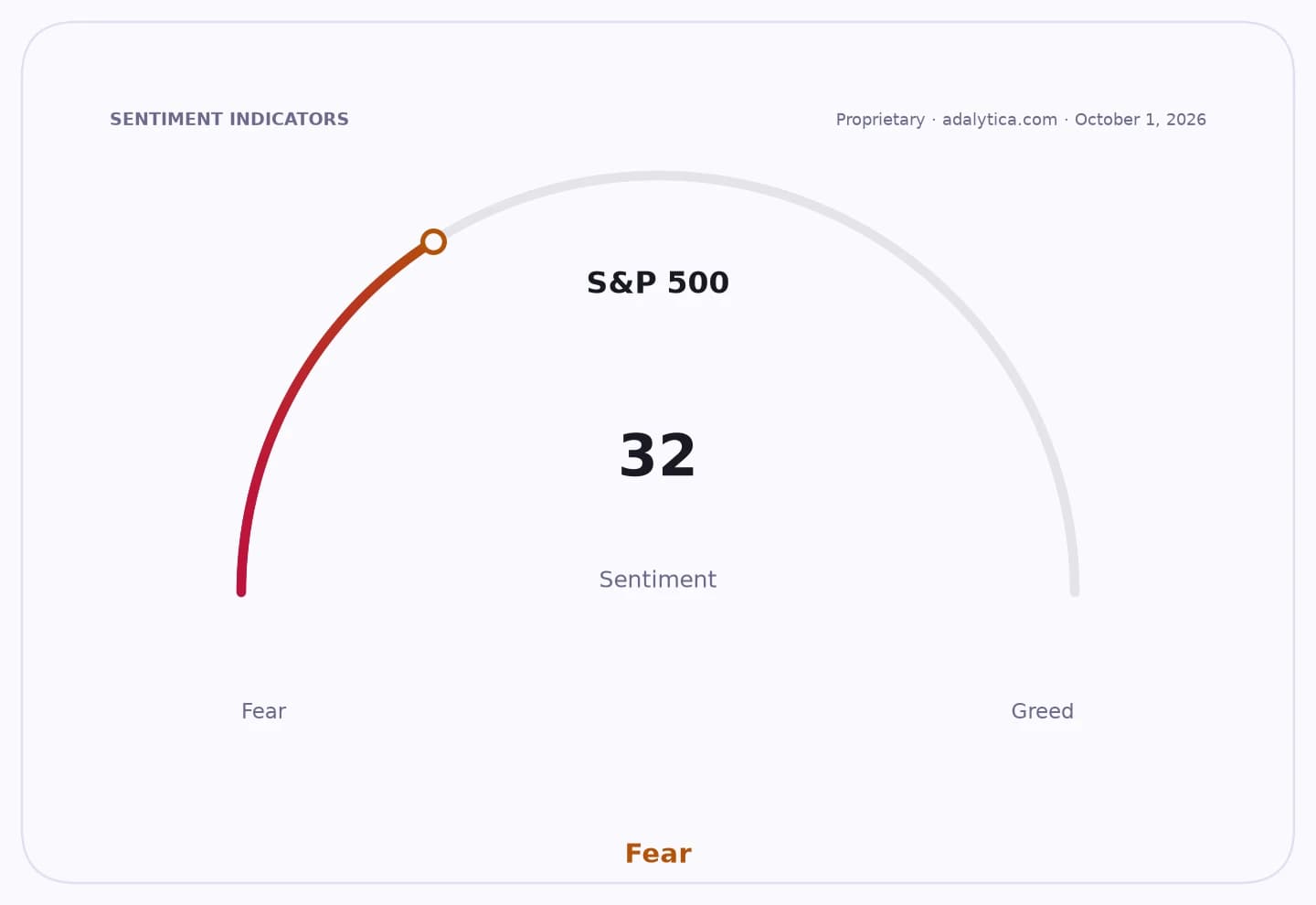
Gundlach’s central case is that valuations have outrun fundamentals. He pointed to the Shiller price-to-earnings ratio on the S&P 500, which he said is above 42, well past the 35 level he views as a historical danger zone. In his telling, every previous period when the ratio was at 35 or above was followed by negative real returns over the next decade. That matters for investors because it shifts the AI debate from whether the technology is transformative to whether the stocks already discount too much of that transformation.
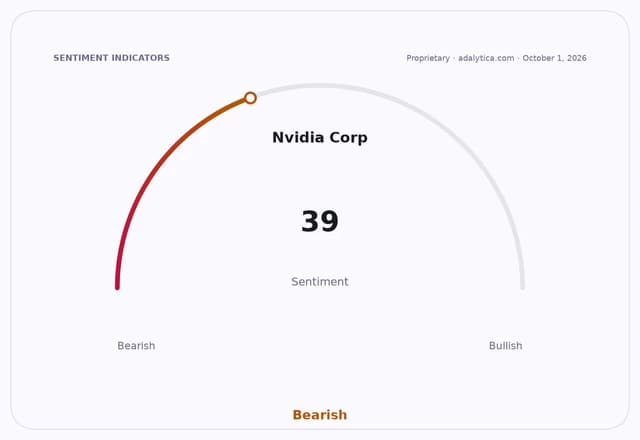
The market backdrop supports at least some of that caution. Nvidia, the bellwether for the AI buildout, has been volatile even after a powerful run. It closed at $228.38 on Sept. 30, above its 200-day moving average of $199.81 and its 50-day average of $217.23, but the stock has swung sharply over the past year, with technical readings showing periods of overbought conditions and recent price consolidation. Microsoft, another core AI beneficiary, finished at $512.90, also above both its 50-day and 200-day moving averages, yet the stock has likewise seen large drawdowns and recoveries, underscoring how dependent the trade remains on investor confidence that spending will turn into durable earnings growth.
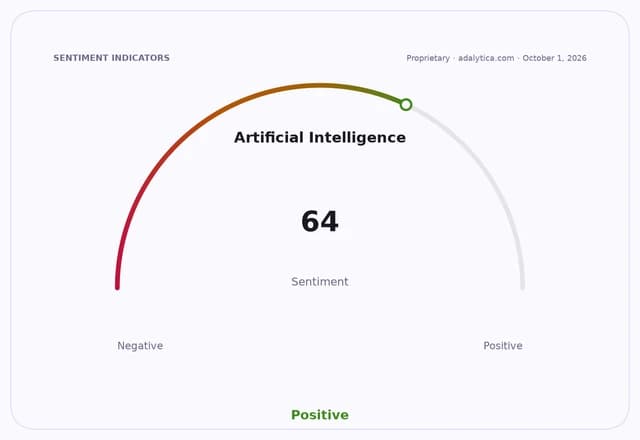
Gundlach is not making a blanket bearish call on equities. Instead, he is trying to strip out as much AI exposure as possible while keeping assets in a mix of high-quality bonds, emerging-market local-currency debt, commodities and gold. He said he prefers a equal-weighted index approach over cap-weighted benchmarks that are dominated by a handful of technology giants. That has economic logic: a more evenly weighted portfolio reduces concentration risk in the largest AI-linked names and increases exposure to sectors that have lagged the tech rally.
His broader concern is that the AI capital cycle may be entering a more punishing phase. He cited widening spreads in debt tied to AI-linked companies and relentless demand for financing from borrowers willing to ignore higher rates. That can be a warning sign for investors because credit markets often turn before equities do. If lenders begin demanding more compensation for AI and infrastructure risk, the cost of capital rises just as the sector’s spending plans stay elevated.
The bear case is that the market is still underestimating how much profit pool AI can create. SAP’s management has described AI as a historic growth opportunity, and the technology has already started to lift productivity across industries. But the valuation embedded in the sector is hard to ignore. Anthropic’s reported $2 trillion valuation alongside a $42 billion net loss illustrates the scale of expectation now being priced into the AI ecosystem, where future market share is often valued far ahead of current cash generation.
The bull case for Gundlach’s caution is that the rally has become self-reinforcing and fragile. If leadership narrows further into a few AI names, any slowdown in hyperscale spending, any disappointment in monetization, or any widening in credit spreads could trigger a broader de-rating. That is why his timing matters to investors beyond AI stocks themselves: a meaningful pullback in the sector could weigh on the broader market, given how much of index performance is tied to the same handful of names.
For now, Gundlach is not shorting the market. He is simply moving away from what he sees as the epicenter of risk. That stance leaves investors with a clear question: whether AI is still in an early investment phase, or whether the market has already priced in much of the upside and is now vulnerable to the kind of reversal that has punished past valuation extremes.
| Entity | Gains | Losses |
|---|---|---|
| Equal-weighted indices | ▲Lower concentration risk | ▼Less upside from mega-cap AI |
| Nvidia, Microsoft bulls | ▲Continued AI capex cycle | ▼Valuation compression risk |
| Bond and gold holders | ▲Safe-haven demand | ▼If AI rally resumes sharply |
| AI debt investors | ▲Higher spreads and returns | ▼Rising refinancing and default risk |