The Houthis said they struck a Saudi Aramco tower in Riyadh’s financial district, an attack that matters less for the minor physical damage reported than for what it says about the widening reach of the Yemen war and the renewed premium investors must assign to Saudi energy and infrastructure risk.
Aramco Riyadh Tower Hit in Houthi Attack
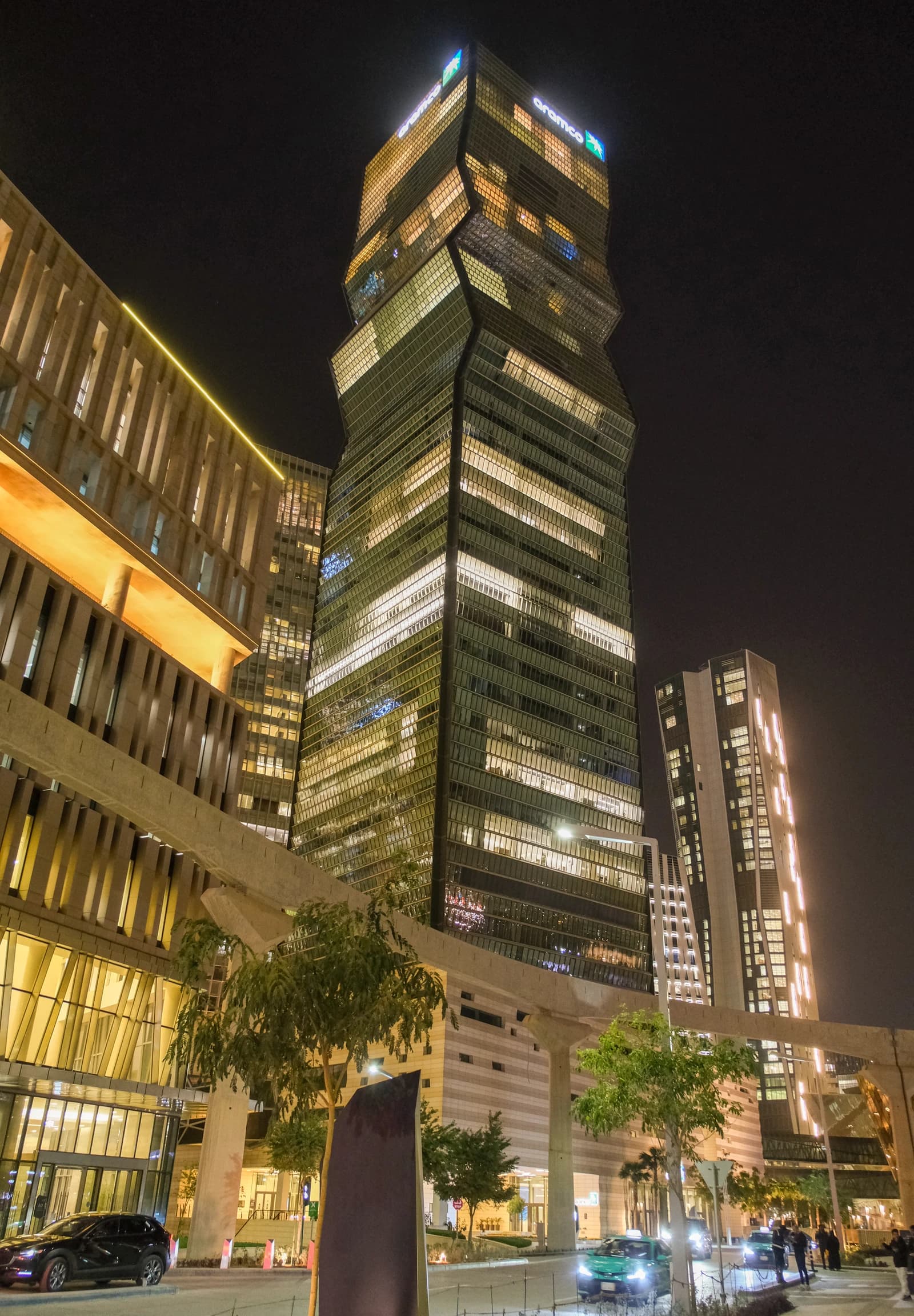
Saudi officials said an administrative building belonging to Aramco in Riyadh was hit in an attempted attack and that falling debris caused only minor damage with no casualties. Witnesses reported broken windows and damage to part of the facade at the Aramco tower in the King Abdullah Financial District, one of the kingdom’s most symbolic business hubs. The coalition led by Saudi Arabia said it intercepted two ballistic missiles and two cruise missiles aimed at the capital, but it was not immediately clear whether the damage came from interception debris or a direct hit.
Sentiment Indicators
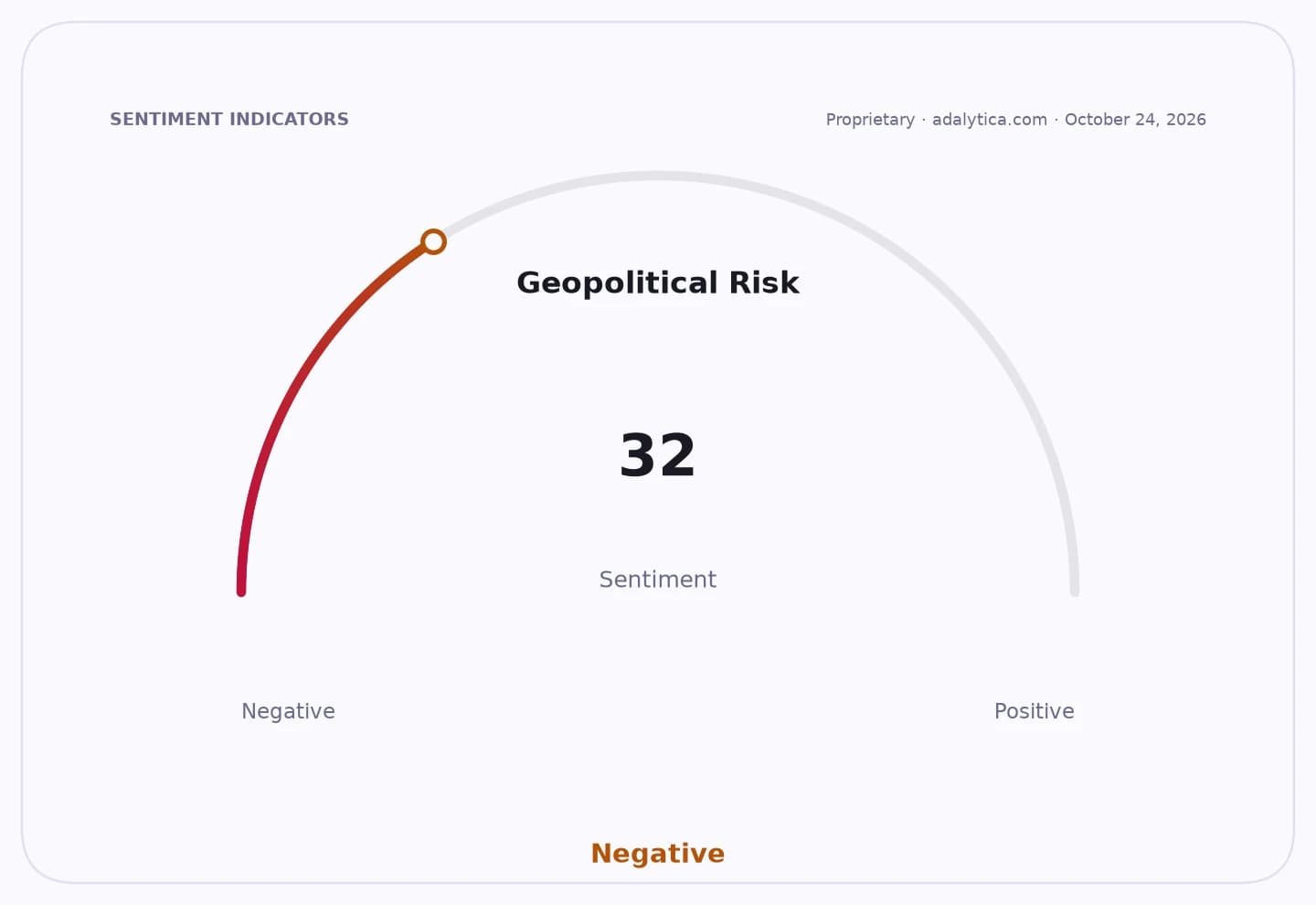
Geopolitical Risk
Economically, the significance lies in the target. The King Abdullah Financial District is meant to showcase Saudi Arabia’s effort to diversify away from oil and turn Riyadh into a regional financial center. Striking that district raises the cost of doing business in the capital and underscores the vulnerability of the kingdom’s most visible reform projects to regional conflict. It also threatens to reprice security risk across Saudi infrastructure, from energy assets to transportation and office property, even if the immediate operational impact is limited.
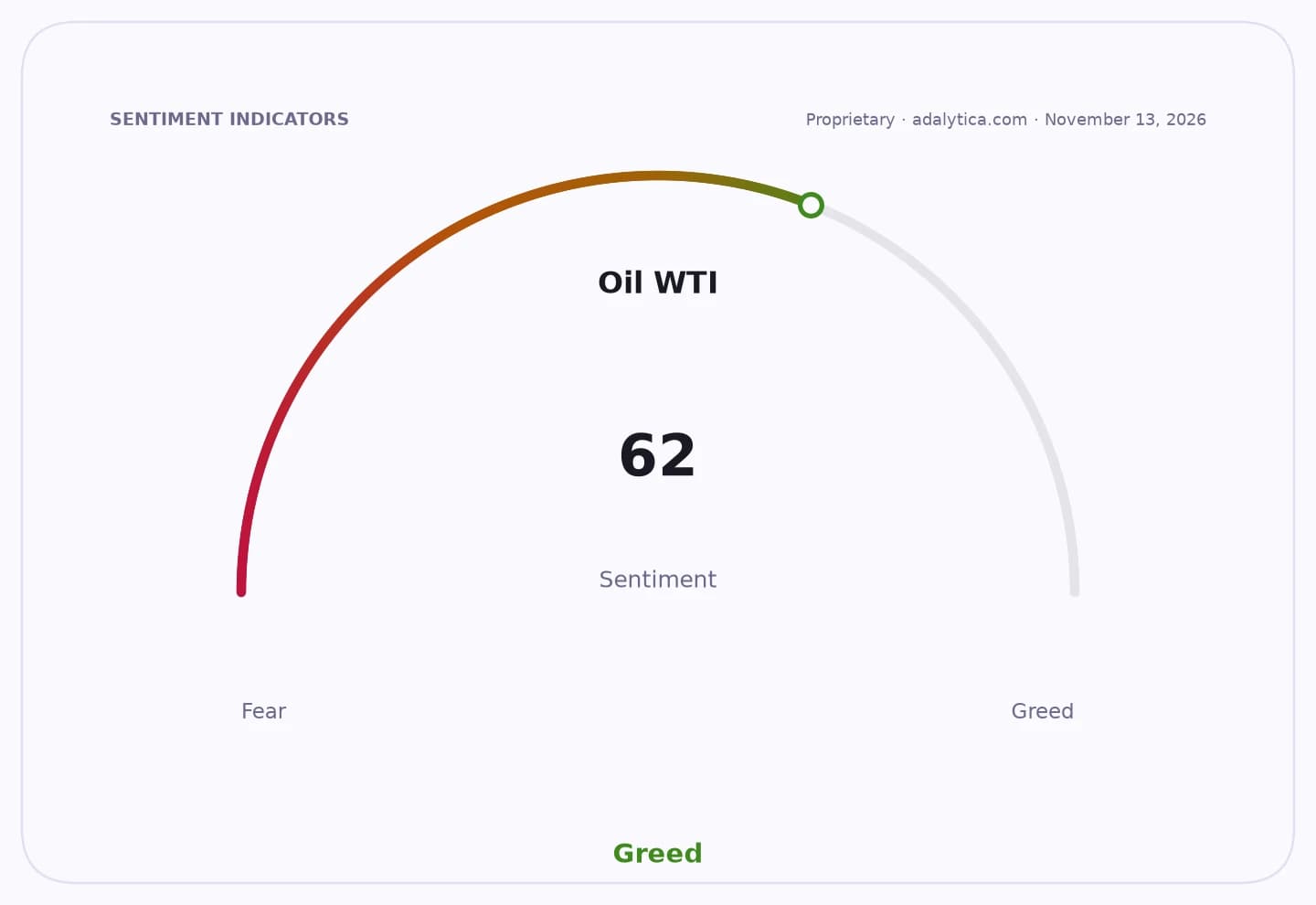
For investors, the message is that geopolitical risk around the world’s largest oil exporter is not confined to remote pipelines or export terminals. Aramco remains the core asset at the center of Saudi fiscal strength, and even symbolic attacks on its offices feed a broader risk premium into energy markets. Crude has already been trading with elevated sensitivity to Middle East headlines, while large oil producers have benefited from the geopolitical bid in prices. On the other hand, Saudi Arabia’s ability to intercept missiles and keep production flowing limits the chance of a lasting supply shock from a single incident.
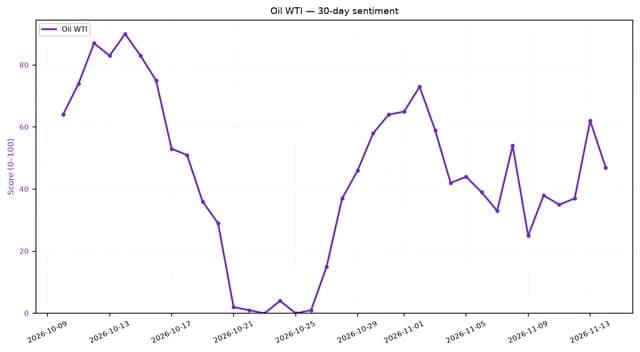
That tension helps explain the market backdrop. WTI has been volatile, and conventional technical indicators on USO show the fund recently slipping below its 50-day moving average with a weak RSI reading, signaling that oil prices have been more vulnerable to pullbacks than during the earlier spike. Yet the broader oil complex remains supported by persistent security concerns, and the latest attack reinforces the asymmetry: prices can jump quickly on escalation, while any easing of tensions tends to be slower to register.
The attack also comes against a broader regional escalation. The Houthis, who have taken control of wider stretches of Yemen’s Red Sea coast, have stepped up attacks on Saudi territory and shipping since a fragile 2022 truce broke down. The group’s ability to target Riyadh, even if inconsistently and often unsuccessfully, keeps pressure on Saudi Arabia and its allies to intensify defenses or widen military involvement. That raises the risk of further disruption to trade routes and raises the geopolitical discount on Gulf assets.
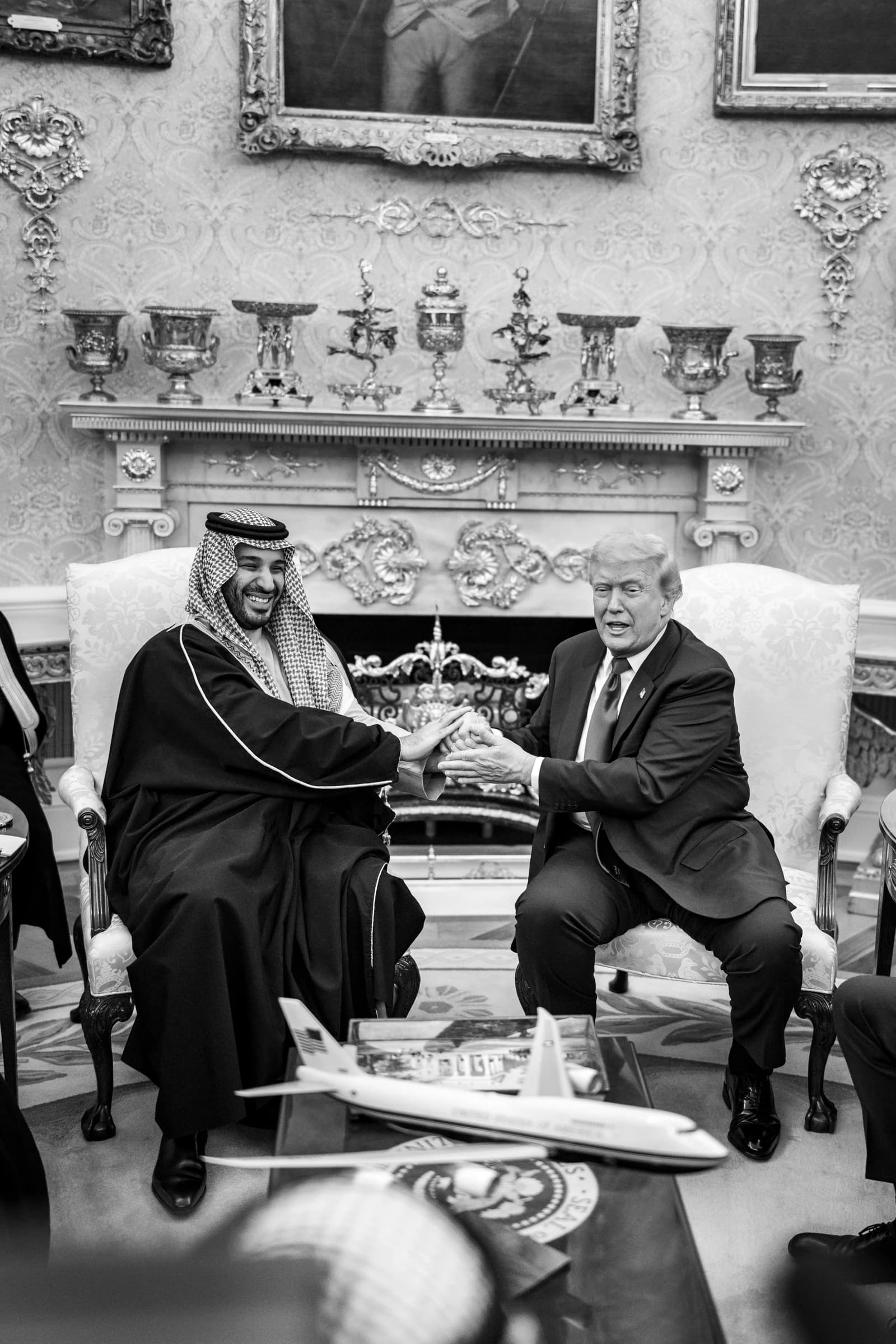
A prolonged campaign against Riyadh would not necessarily force an immediate halt in Saudi oil exports, but it would complicate the kingdom’s investment case at a time when Crown Prince Mohammed bin Salman is trying to attract capital into new business districts, tourism and industrial projects. For Aramco, the direct financial damage from one missile strike is likely small; the larger issue is the cumulative effect on perceptions of security, insurance costs and the durability of the kingdom’s transformation agenda.
The key question for markets now is whether this marks another isolated salvo or the start of a more explicit strategy to pressure Saudi Arabia’s economic centers. If the attacks remain contained, the result may be a temporary risk premium in crude and Saudi assets. If they broaden or prove harder to intercept, investors will have to reassess the stability assumptions underpinning Gulf energy supply, infrastructure spending and the valuation of Saudi-linked assets.
| Entity | Gains | Losses |
|---|---|---|
| Houthis | ▲Tactical visibility | ▼Regional backlash |
| Saudi Arabia | ▲Air defense credibility | ▼Security premium on reforms |
| Aramco | ▲No operational disruption | ▼Reputational and risk concerns |
| Oil bulls | ▲Geopolitical support for prices | ▼Supply shock fears if escalation widens |