Argentina’s tax agency has rolled out a new electronic pay stub tool for domestic workers, a small but important step that could make household hiring more formal, more transparent and easier to manage for millions of employers and employees.
Argentina ARCA launches digital pay stubs for domestic workers
The Agencia de Recaudación y Control Aduanero, known as ARCA, said it has enabled an assisted digital receipt system for personal de casas particulares, allowing employers to calculate parts of each salary automatically before issuing the electronic wage slip. The change, set out in Resolution 5912/2026, is designed to reduce errors, speed up payroll processing and make compliance less cumbersome in one of the country’s most heavily regulated and under-digitized labor segments.
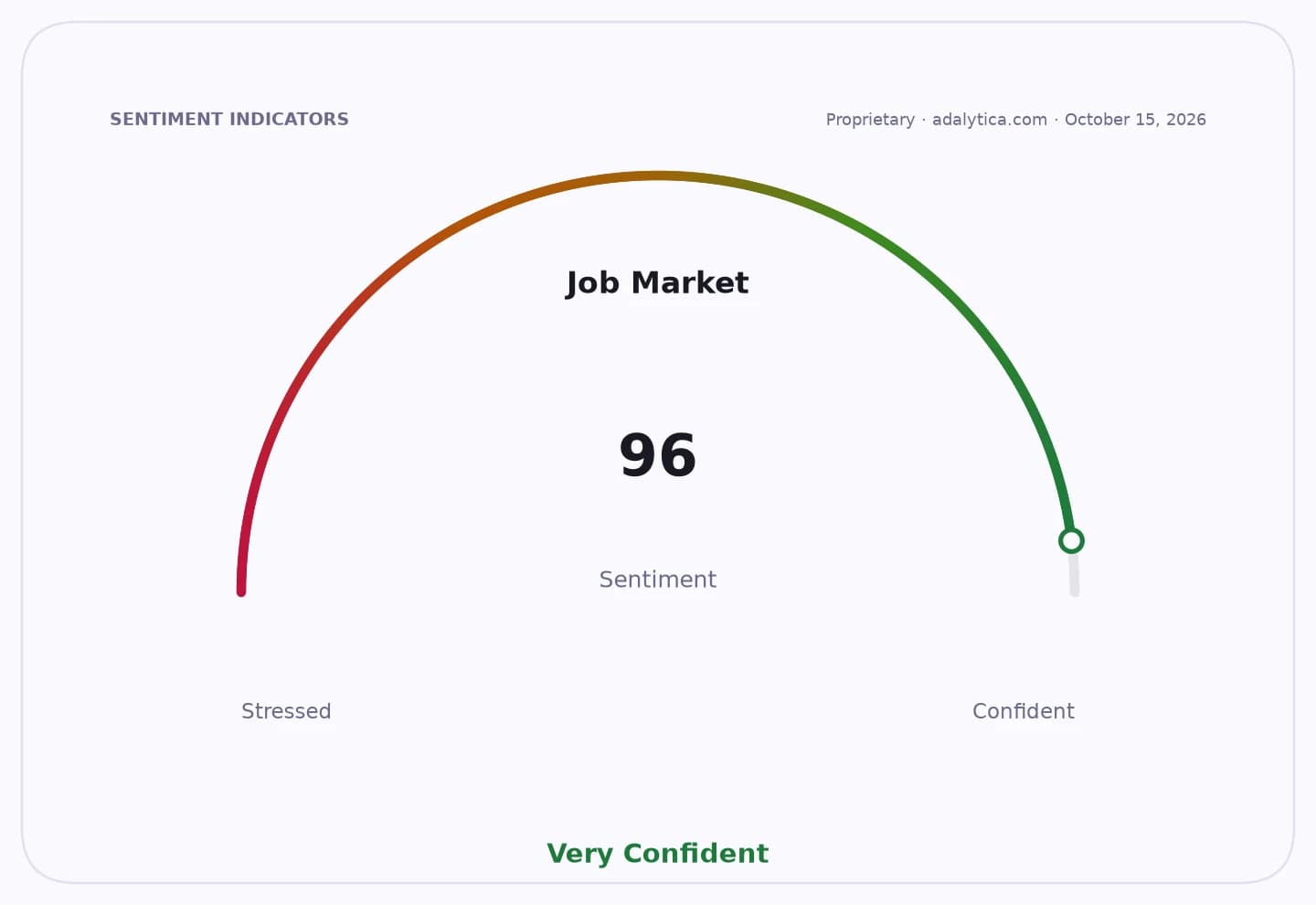
Sentiment IndicatorsⓘProprietary · adalytica.com · October 15, 2026
This is a snapshot — live sentiment, awareness and momentum for 130+ markets update continuously in the dashboard.Open AlphaPulse
That matters because household employment is often where payroll formality breaks down. By moving wage slips into ARCA’s online platform and tying authenticity to fiscal key verification, the government is tightening the paper trail on wages, contributions and social security payments. For Argentina, where administrative friction has long discouraged full compliance, the shift is less about technology for its own sake than about broadening the base of registered labor relationships and improving collection of mandatory contributions.
For employers, the practical change is straightforward: log in with a fiscal key, select the worker, enter the pay period, payment method, wage and hours, and the system produces a preliminary calculation. Employers can accept the amount, edit it or add deductions and extras before generating the final electronic receipt. ARCA also said the system does not remove the employer’s responsibility to check the figures and include all legally required items.
That distinction matters for investors and for the wider economy. Digitization in the labor market tends to improve enforcement, which can support public revenues and reduce the size of the informal economy over time. It can also lower administrative costs for small-scale employers, who are often the least equipped to navigate payroll rules. In a country where every increment of formalization counts, even a narrow reform like this can have outsized effects on compliance and data quality.
The new rules also preserve paper receipts for cash payments or when workers request printed copies, but the digital default should gradually improve traceability. Workers and employers will be able to check contributions, receipts and balances online, while domestic employees can use the platform to review payments and even calculate overdue interest. The system also links to voluntary health coverage contributions, allowing domestic workers to top up payments and access the national health plan under certain conditions, including coverage for family members.
For long-term investors, the story is not about a market-moving earnings event. It is about the slow modernization of a large informal labor market, which can eventually support steadier tax collection, cleaner payroll records and more predictable social security flows. Those are the kinds of institutional upgrades that rarely make headlines but matter for economic resilience.
If Argentina keeps pushing routine labor compliance into digital systems, the winners will be formal employers, workers seeking benefits and the state’s revenue machinery. The losers are the old layers of paperwork, opacity and underreporting. This is a modest reform, but it points in the right direction and is worth watching.
| Entity | Gains | Losses |
|---|---|---|
| ARCA | ▲Better compliance | ▼Manual paperwork |
| Employers | ▲Easier payroll processing | ▼Less flexibility on reporting |
| Domestic workers | ▲Clearer pay records | ▼Informal arrangements |
| Argentine state | ▲Stronger collections | ▼Tax leakage |