Lithuania is moving toward a far more granular payroll disclosure regime that will force employers to report pay, hours and job-group data to Sodra from Jan. 1, 2027, a step aimed at narrowing gender pay gaps and giving regulators a clearer view of what workers are actually paid.
Lithuania payroll disclosure rules start in 2027
The change is economically significant because it shifts payroll transparency from a compliance slogan to a recurring reporting obligation. Under the new rules, employers will have to transmit monthly gross pay, additional gross pay and paid working hours, while also providing one-time data on job-group classifications, work-time norms and work schedules through the EDAS system. First reports for January 2027 will be due in February, giving companies a little over a year to clean up payroll architecture, job grading and time-tracking systems.
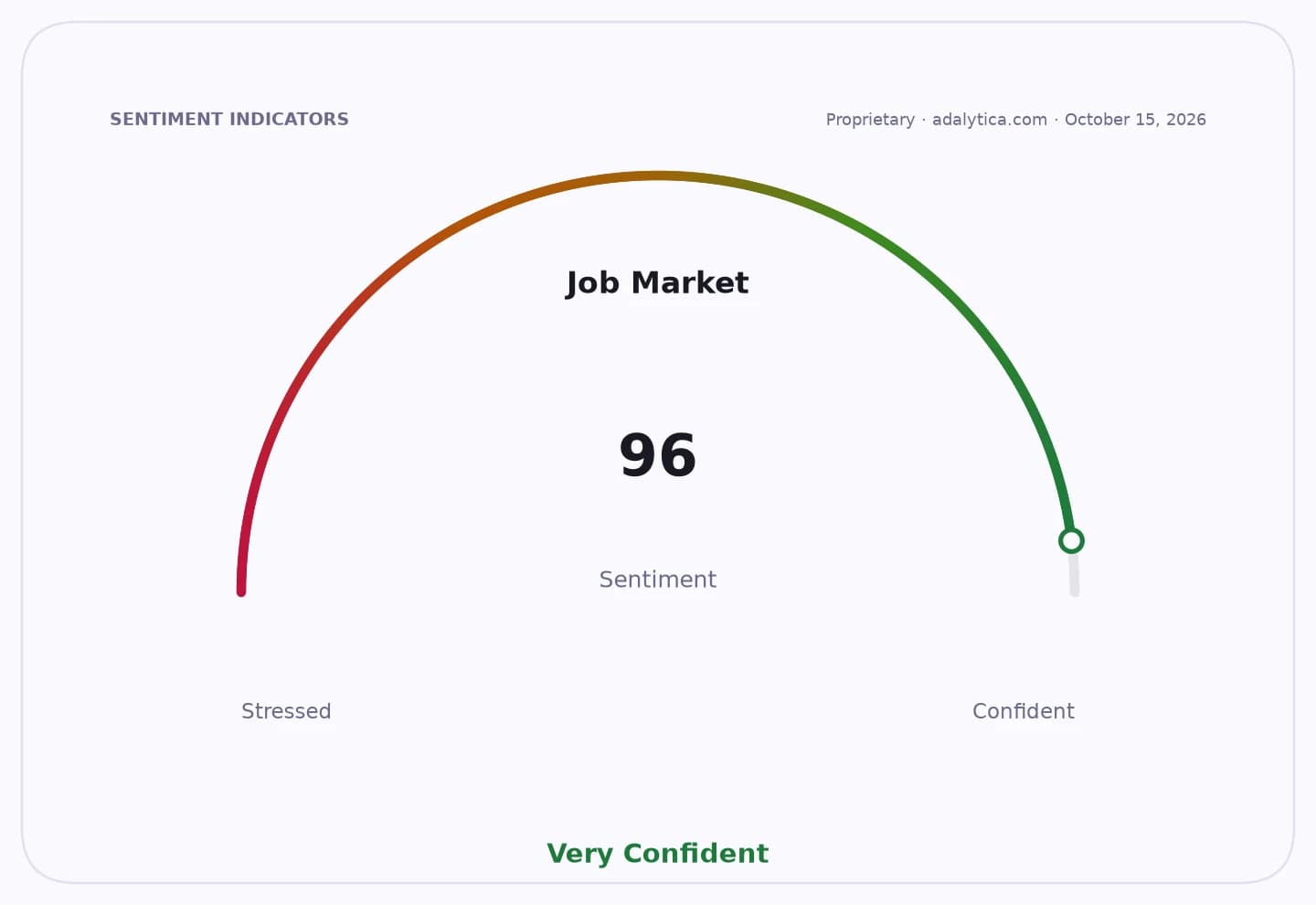
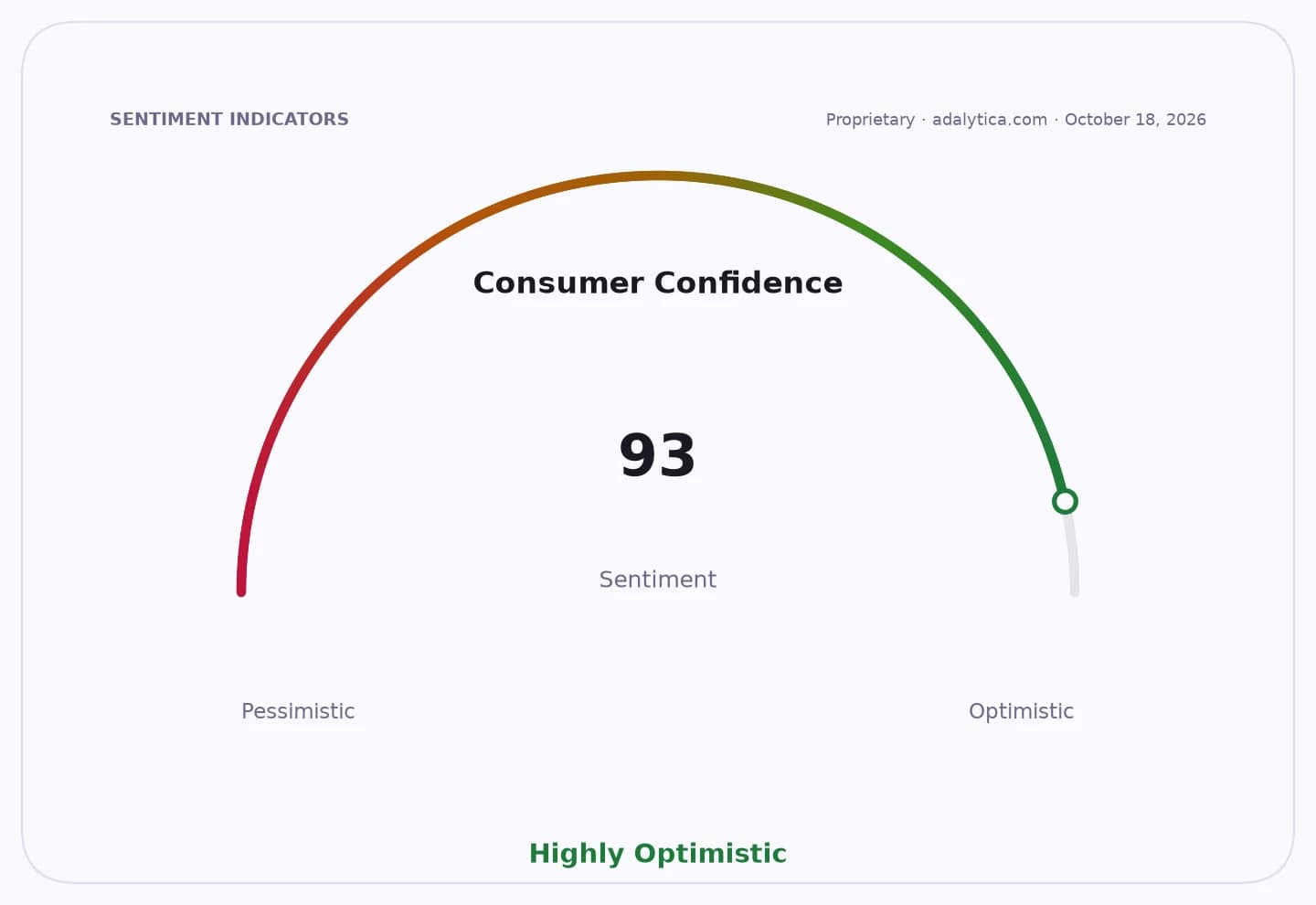
Sentiment IndicatorsⓘProprietary · adalytica.com · October 12, 2026
This is a snapshot — live sentiment, awareness and momentum for 130+ markets update continuously in the dashboard.Open AlphaPulse
For investors and corporate operators, the main issue is not the administrative burden alone but the increased comparability it creates across employers. Once remuneration components such as overtime premia, bonuses, allowances, paid leave and certain benefits in kind are captured in a standardized format, regulators will be better able to identify unexplained pay disparities. That raises the stakes for sectors with wide use of variable compensation, irregular schedules or fragmented work classifications, and it should push employers to tighten internal controls around compensation policy, HR data and labour-cost reporting.
The Labour Inspectorate said the aim is to ensure equal pay for the same or equivalent work and reduce the gender wage gap. In practice, that means employers will need to separate basic pay from extra remuneration and disclose paid hours in a way that allows Sodra and labour authorities to compare workers inside the same position group. The rules also make clear that compensation paid in kind may be omitted only when all workers in the same job group receive the same benefit with no scope for differential treatment, such as identical meal vouchers or group training.
Not every payment will count. Sickness benefits, severance, unused leave compensation and other compensatory payments will fall outside the new reporting base, as will income not subject to social and health insurance contributions. Certain public servants and roles tied to state secrecy are exempt, while temporary agency workers will be covered under a separate system administered by staffing firms.
For employers, the practical challenge is likely to be data integrity. The new framework hinges on accurate job codes, consistent work-time norms and monthly hours reporting. Firms with legacy payroll systems or decentralized HR functions may need to invest in cleaner master data before the regime starts. For listed payroll and HR software providers, the transition underscores a steady demand backdrop for compliance tooling as European labour rules become more disclosure-heavy.
The bigger narrative is that Lithuania is aligning labour-market governance with a broader European push for transparency in pay. If implemented smoothly, the system could improve enforcement, compress opaque pay practices and strengthen worker trust. If employers fail to prepare, the result could be reporting errors, disputes over pay classification and a sharper compliance burden once the first filings begin in 2027.
| Entity | Gains | Losses |
|---|---|---|
| Sodra / regulators | ▲better pay visibility | ▼less opacity |
| Employees | ▲clearer pay comparisons | ▼no immediate gain from complexity |
| Employers | ▲more structured payroll data | ▼higher compliance burden |
| HR/payroll software vendors | ▲stronger demand | ▼legacy systems |