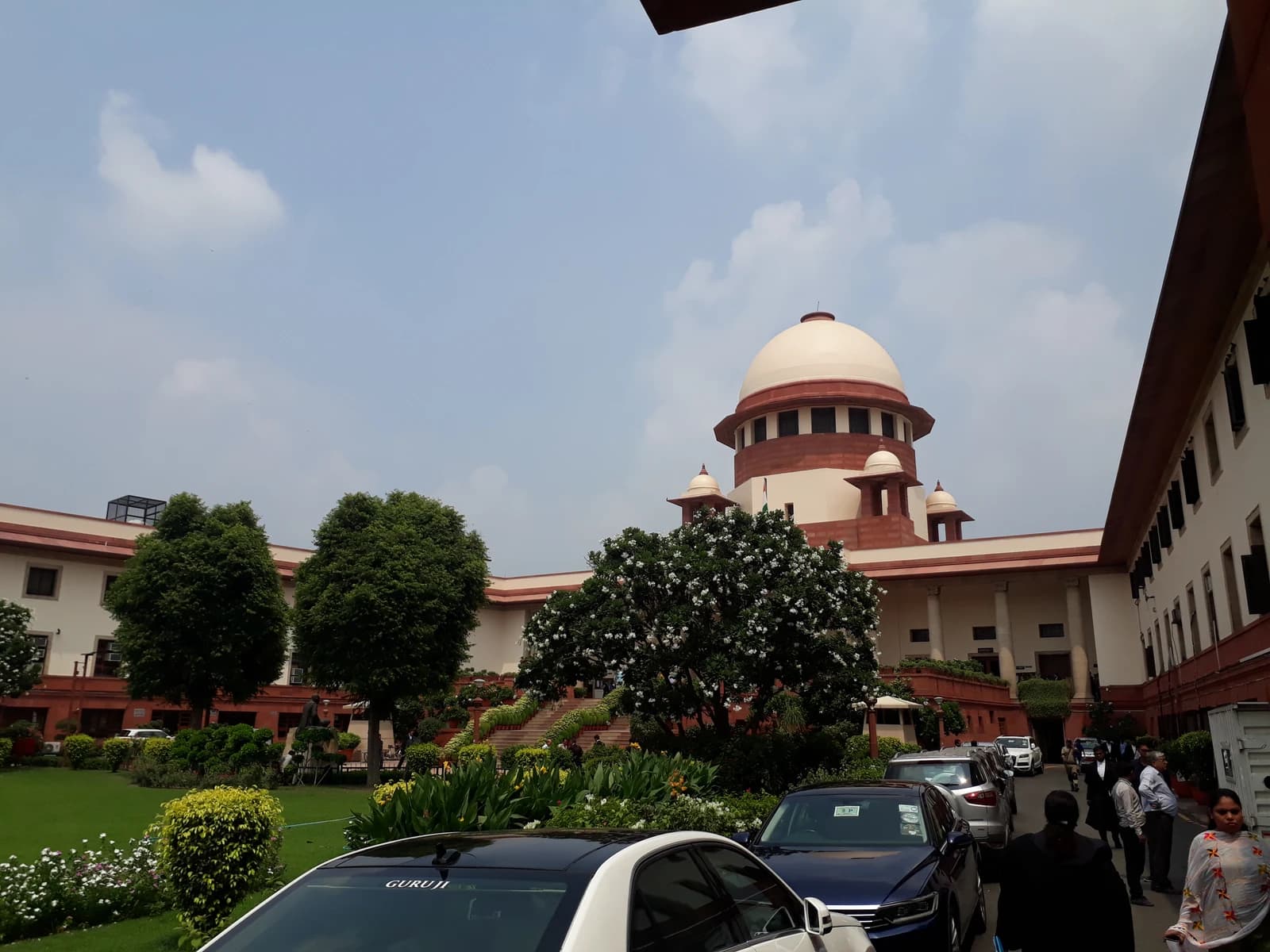
The Allahabad High Court has thrown out a Labour Commissioner order directing Bharat Heavy Electricals Ltd. to pay 265 contract workers the same wages and allowances as regular employees, ruling that claimants must first prove they performed the same work in both quality and sensitivity.
BHEL Wins Reprieve in Contract Worker Pay Case

The decision matters because it sharpens the evidentiary bar for India’s equal-pay claims at a time when policymakers are pushing to close wage gaps between regular and non-regular workers. For employers, the ruling limits automatic parity claims based on job titles alone; for contract labor, it means wage equalization will depend on detailed proof of actual duties, responsibilities and working conditions.
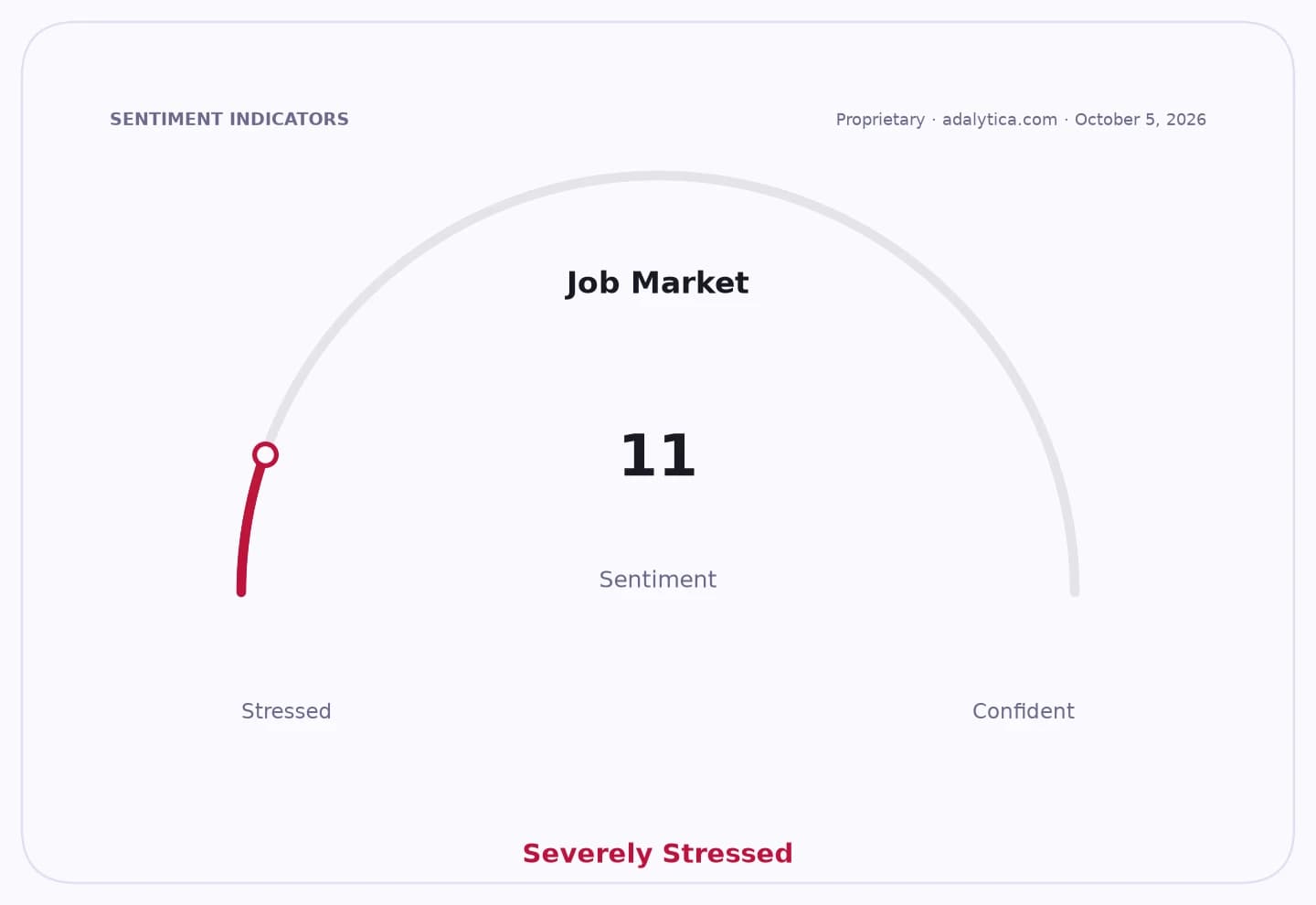
Sentiment IndicatorsⓘProprietary · adalytica.com · October 21, 2026
This is a snapshot — live sentiment, awareness and momentum for 130+ markets update continuously in the dashboard.Open AlphaPulse
Justice Saurabh Shyam Shamshery said the Labour Commissioner had not properly tested whether the workers’ duties matched those of regular BHEL staff, and that the same post name was not enough to establish equal pay for equal work. The court said the burden rests on workers to show parity through oral and documentary evidence, not just rosters, gate passes or wage slips.
BHEL had challenged the 2005 order under which 265 contract workers at its Jhansi unit were granted salary and allowances at par with unskilled regular employees. The company argued the commissioner had failed to examine education, training, experience and responsibilities, and relied on Supreme Court precedent to say contract workers cannot invoke equal pay merely because they work at the same site.
The court agreed that the record did not show what actual work was done by the contractual appointees versus the regular employees. It found the commissioner’s order lacked specific reasoning and said such a conclusion could not stand in writ review when based on no evidence.
The ruling lands against a broader labor-policy backdrop in India, where the government is advancing reforms aimed at narrowing wage disparities between regular and non-regular workers. But the judgment also signals that those reforms will still collide with long-standing legal limits on how equal-pay claims are proved in court.
For investors, the case is a reminder that labor-cost disputes remain a structural risk for industrial groups and outsourced-work models, especially in government-linked enterprises where wage parity claims can cascade into larger compensation liabilities. The immediate takeaway for BHEL is relief from an adverse pay order; for contract labor and unions, the path to back pay is now more document-heavy and case-specific.
A fresh hearing has been ordered within six months, keeping the dispute alive and leaving open the possibility that the workers could still prevail if they can substantiate functional parity with regular staff.
| Entity | Gains | Losses |
|---|---|---|
| BHEL | ▲Lower wage liability | ▼Equal-pay pressure |
| Contract workers | ▲Case rehearing | ▼Immediate parity order |
| Labour Commissioner | ▲Opportunity to reassess record | ▼Reversal of initial ruling |
| Employers using contract labor | ▲Stronger defense against parity claims | ▼Higher litigation burden |