Nigeria’s government and labour union are deadlocked over when to reopen minimum-wage talks, raising the risk that wage policy becomes another flashpoint in an economy already strained by high living costs and weaker real incomes.
Nigeria minimum wage talks face 2027 timing dispute
The immediate issue is timing: the Nigeria Labour Congress wants negotiations to begin now, while the Federal Government says the next review is not due until June 1, 2027, barely two years after the N70,000 minimum wage was signed into law in July 2024. Labour Minister Muhammad Dingyadi has warned that a fresh review this soon would disrupt industrial relations, but NLC President Joe Ajaero has rejected that position and asked for the formal process to start, including the naming of representatives to the national tripartite committee.
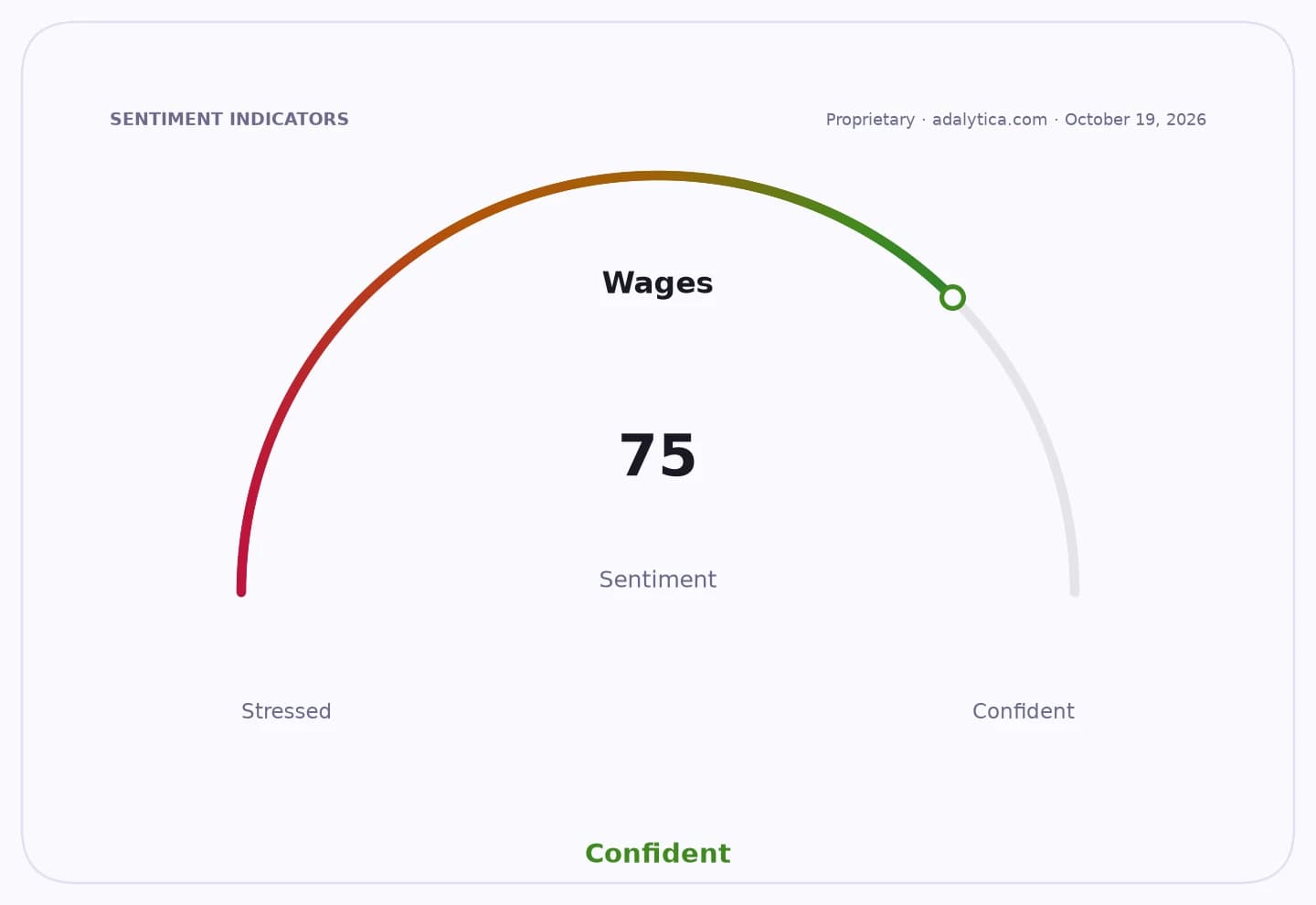
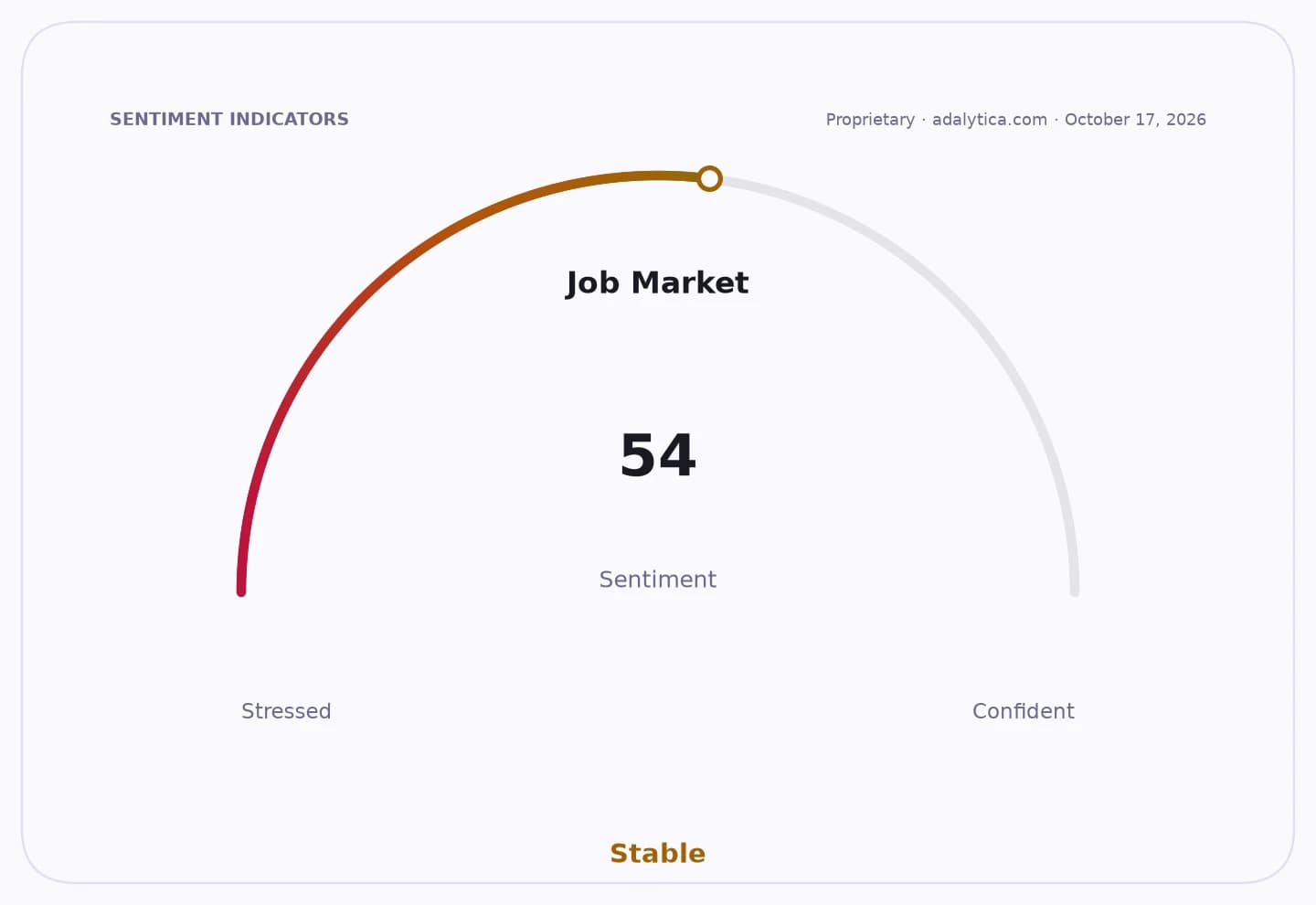
Sentiment IndicatorsⓘProprietary · adalytica.com · October 19, 2026
This is a snapshot — live sentiment, awareness and momentum for 130+ markets update continuously in the dashboard.Open AlphaPulse
Economically, the dispute sits at the centre of Nigeria’s inflation problem. Workers are pressing for relief as the cost of living remains elevated and the purchasing power of wages continues to erode. The latest U.S. CPI reference in the data is not directly relevant to Nigeria, but it underscores the broader global backdrop of persistent price pressure that keeps wage demands sticky. In Nigeria’s case, a wage review would feed directly into household income, consumer demand and public-sector wage bills, while also influencing private-sector payroll costs.
For investors, the stakes are broader than labour relations. A faster wage round could support consumer spending and benefit retailers, food producers and other mass-market companies, but it would also raise labour costs for employers and add pressure to margins in sectors with limited pricing power. A delay, by contrast, may limit near-term fiscal strain and reduce the risk of industrial action, but it also risks intensifying social tension if workers conclude that policy is lagging inflation.
The disagreement reflects a familiar policy trade-off in emerging markets: governments want wage stability to protect fiscal and operating conditions, while labour wants pay to catch up with inflation and subdued living standards. The fact that both sides are now trading formal letters suggests the issue is moving from political signalling to procedural confrontation, even if no negotiation timetable has yet been agreed.
What happens next will depend on whether the administration decides to absorb the political cost of opening talks early or holds to the 2027 timeline. Any move toward negotiations would likely sharpen scrutiny of inflation, public-sector affordability and business costs, while another delay could increase pressure on the government from unions already using Independence Day demands to push for wage relief and cheaper fuel.
| Entity | Gains | Losses |
|---|---|---|
| Workers/NLC | ▲Higher pay prospects | ▼Short-term wage relief delayed |
| Federal Government | ▲Fiscal restraint, policy stability | ▼Labour pressure, political goodwill |
| Employers | ▲Predictable payroll costs if review is delayed | ▼Higher wage bill if talks start early |
| Consumers | ▲Potential demand support from higher incomes | ▼Continued squeeze if wages lag inflation |