Argentina’s union wage picture is sharply uneven, with 14 of the country’s 26 biggest collective agreements now keeping pace with or beating inflation since November 2023, even as the average contract still trails prices by 6.9% and some sectors have lost as much as a third of their purchasing power.
Argentina union wages trail inflation unevenly
That split matters because it shows the labor market adjustment under President Javier Milei is no longer just about aggregate disinflation. It is redistributing income across sectors and workers in a way that affects household spending, labor peace and the pace of any recovery. For investors, it is a read-through on domestic demand, wage costs and the durability of Argentina’s slowdown in inflation.
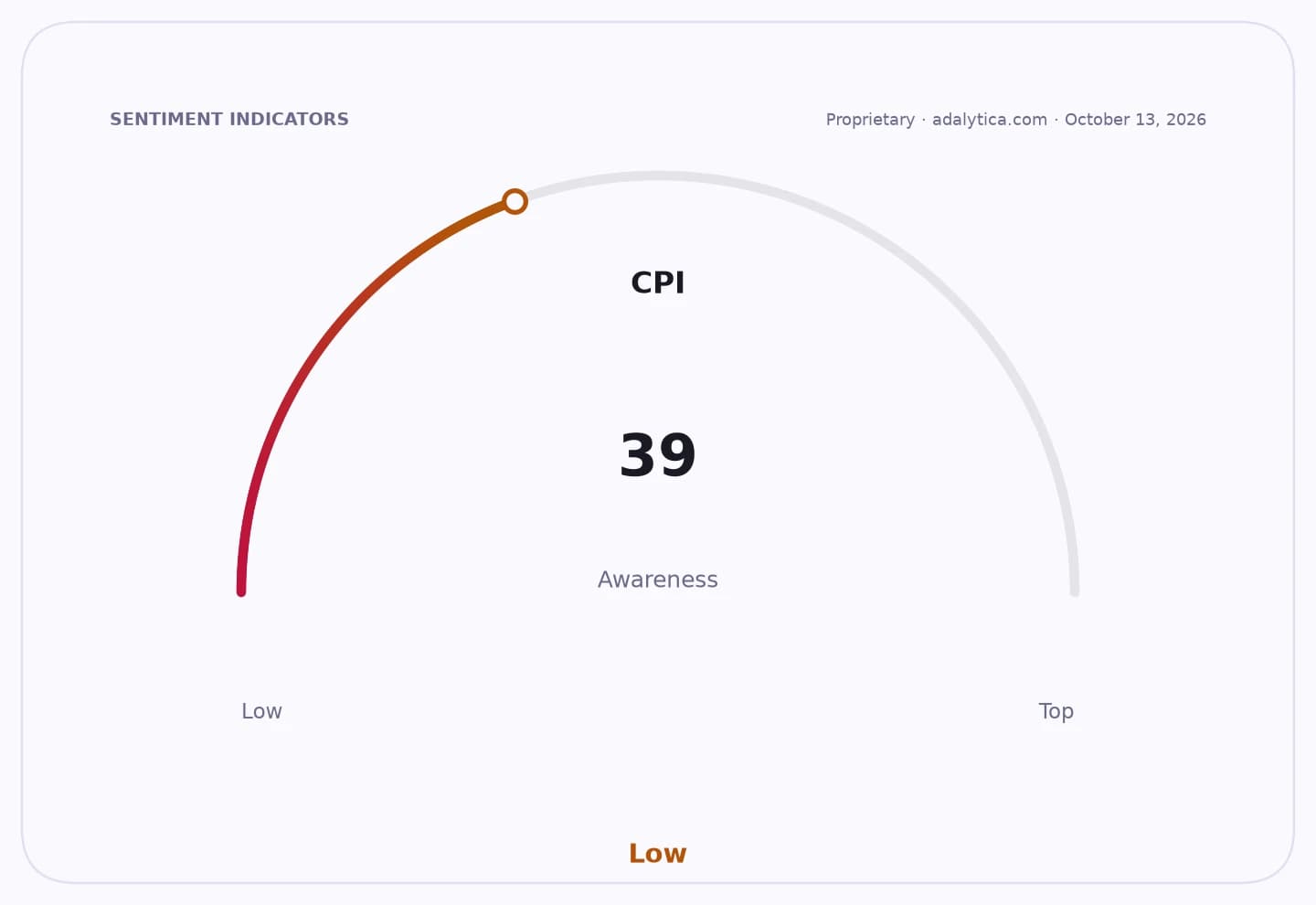
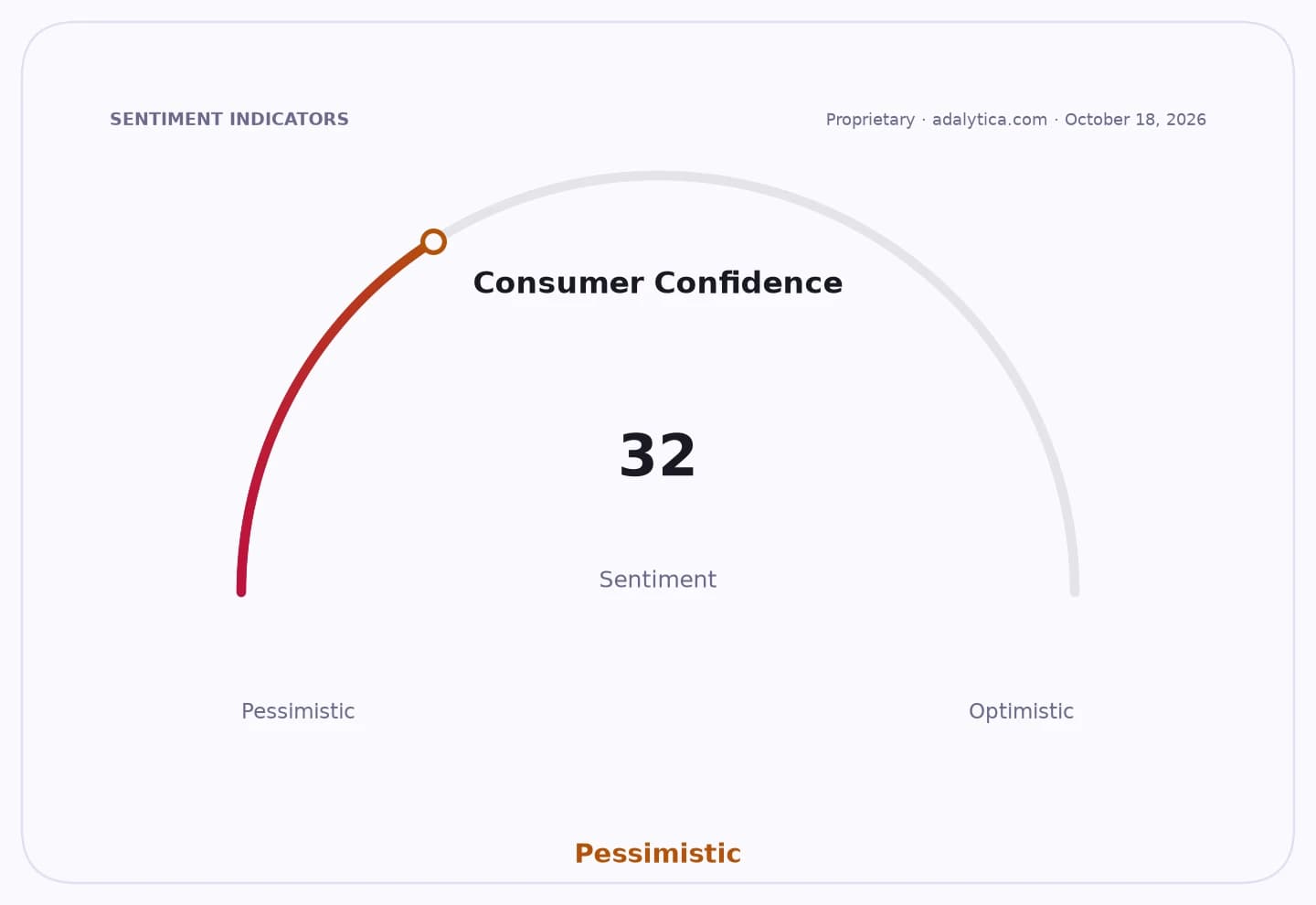
Sentiment IndicatorsⓘProprietary · adalytica.com · October 20, 2026
This is a snapshot — live sentiment, awareness and momentum for 130+ markets update continuously in the dashboard.Open AlphaPulse
The Labor Ministry’s data, seen by El Cronista, is the first official comparison of bargaining agreements against the last month before the government changed in November 2023. It captures 26 representative collective contracts through August 2026 and shows a wage landscape divided between a handful of winners and a broad group of losers.
The average formal private-sector salary, including workers with and without collective agreements, is 1.2% above its November 2023 level in real terms. But that aggregate masks a weaker result for union pay scales, which remain 6.9% lower in real terms. The gap underscores a key feature of the Milei era: disinflation has improved some wages only after a long squeeze, while contract-based pay has lagged more persistently than headline payrolls.
August brought temporary relief. Real private-sector registered wages rose 1.3% on the month, while contract wages gained 0.9%. But the ministry itself says bargaining wages entered a downward trend from the second quarter of 2025, and the recent bounce was not enough to offset a 3.6% real drop over the previous three months for the average wage.
The divergence is especially visible across sectors. Hospitality and restaurants led the gains with a 11.8% real increase since November 2023, followed by community services at 7.6% and business and real-estate services at 6.9%. At the other end, transport and commerce lagged, with real losses of 4.3% and 3% respectively in the ministry’s sector breakdown.
Among the 26 agreements, Utedyc, the union covering sports and social entities, posted the strongest real wage gain at 15%. Graphic workers followed at 13.2%, while the hotel and restaurant union and pharmacy workers each gained 11%. Transport freight, security, cleaning services, frigorificos and the oilseed processing industry also stayed ahead of inflation.
The worst hit were textile workers, whose wages have fallen 32% in real terms since November 2023. Commerce, the country’s largest union, lost 18%, while passenger transport fell 13% and building caretakers 12.1%. Sanitation, metalworkers, food processing and construction all lost between 5% and 9%, meaning none of the major industrial or service groups fully protected purchasing power over the period.
The consequences go beyond pay slips. Argentina’s private salaried employment has fallen by about 141,000 workers since June 2025, according to social security data, even as layoffs slowed in June and job losses in major urban areas stopped falling in July. That combination — weaker employment and uneven wage recovery — points to a fragile labor market, where smaller pay gains may not translate into stronger consumption.
The political backdrop also matters. Conflict has been unusually subdued, with only 13 strikes recorded in July, the lowest since the series began in 2006 and far below the historical average of 36. The number of strikers was 86% below the long-run July average, suggesting the labor market is absorbing the squeeze with limited confrontation for now.
For Milei, the data cuts both ways. A slower inflation rate makes nominal wage negotiations easier and supports the government’s claim that price stability is returning. But the uneven real outcome weakens the social distribution of that disinflation, especially in large unions and cyclical industries that have not kept up. For exporters and companies with local costs, the moderation in wage pressure helps margins; for retailers, consumer-facing firms and sectors tied to domestic demand, the erosion in purchasing power is a drag.
| Entity | Gains | Losses |
|---|---|---|
| Milei government | ▲Lower inflation pressure | ▼Social backlash from wage erosion |
| Winning unions | ▲Real wage gains | ▼Less bargaining urgency |
| Textiles, commerce, transport | ▲N/A | ▼Real wage losses up to 32% |
| Consumers and domestic demand | ▲Some relief from disinflation | ▼Weaker purchasing power |