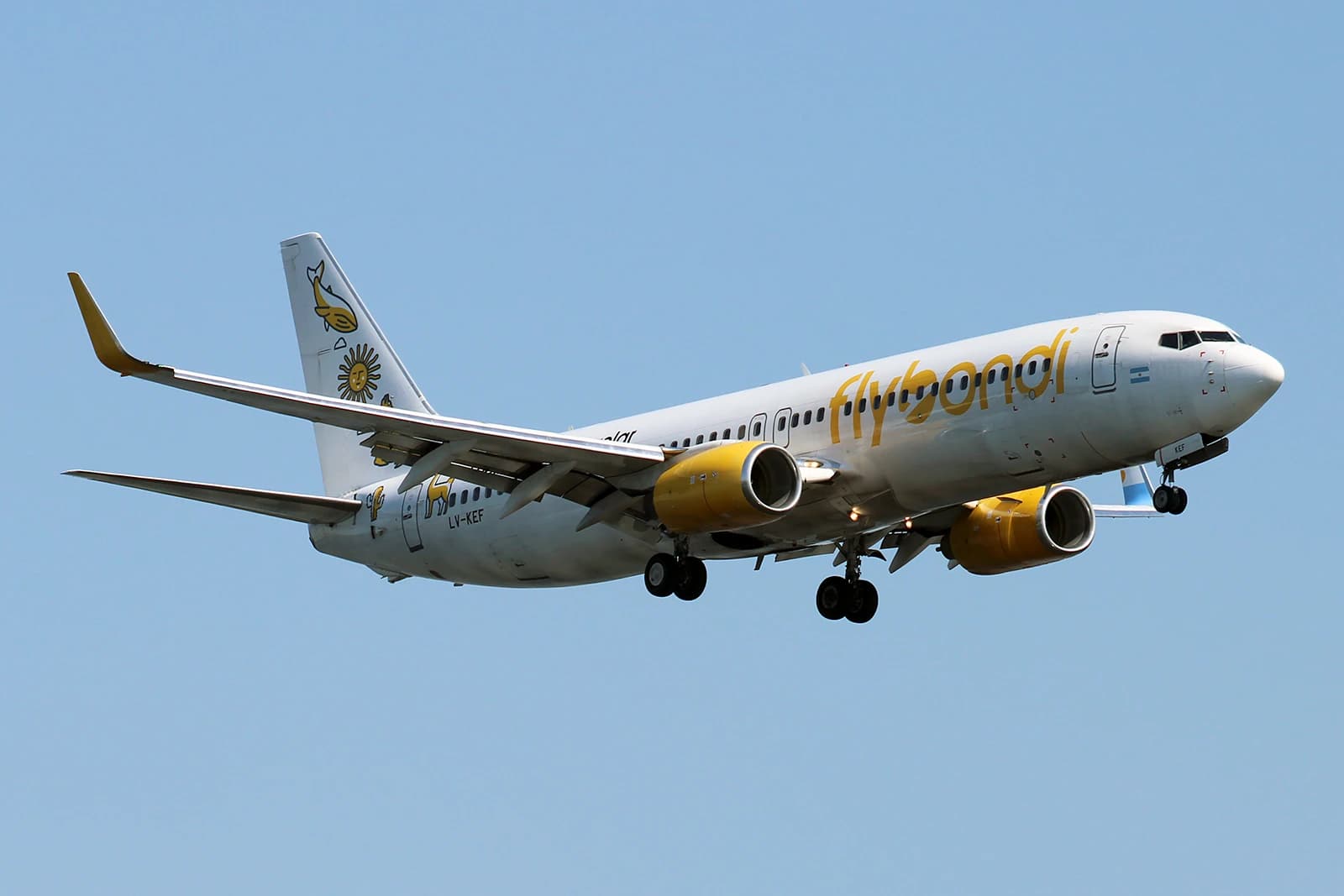
Argentina is pushing through a tariff change that will lift the cost base for domestic flying, and that matters because airline tickets are already one of the most price-sensitive items in a strained economy. Under ORSNA Resolution 69/2026, the passenger use fee for cabotage flights at more than 30 Group A airports, including Ezeiza, Aeroparque, Córdoba and Mendoza, will be set at $9 per traveler in foreign currency terms, replacing a peso-linked charge that was equivalent to about $5,685.
Argentina Raises Cabotage Airport Fee to $9
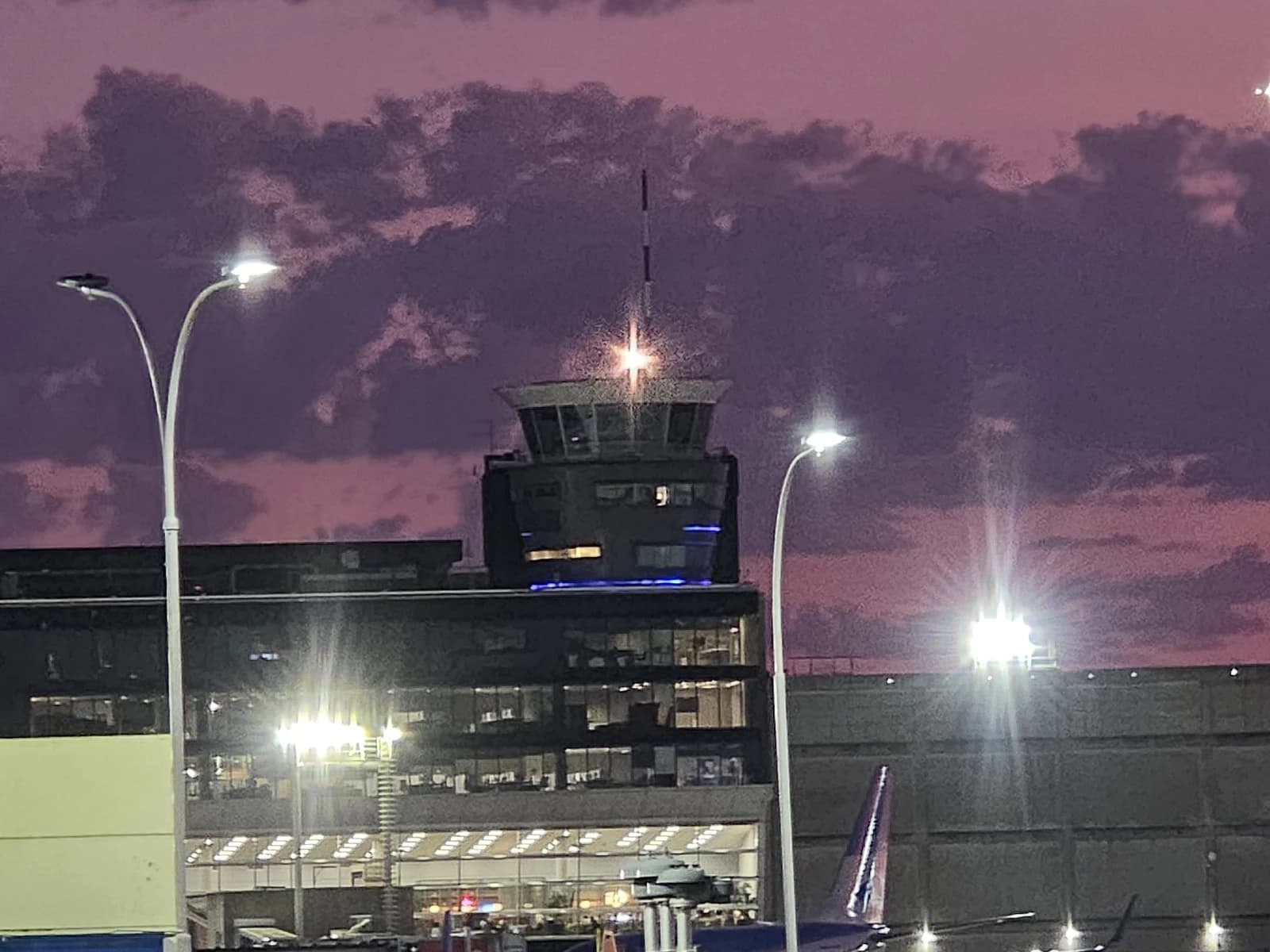
For passengers, the move is likely to show up in ticket prices once the rule takes effect 60 days after publication and airlines update booking systems. For the wider economy, it is another sign that Argentina is trying to rebuild predictability in the aviation sector by indexing airport charges to dollars, a step that may help concession revenue keep pace with inflation and exchange-rate swings. The government is also keeping the international fee frozen at $57 and cutting charges for some regional flights under 1,000 kilometers, suggesting it is trying to rebalance the system rather than simply raise costs across the board.
Sentiment IndicatorsⓘProprietary · adalytica.com · October 12, 2026
This is a snapshot — live sentiment, awareness and momentum for 130+ markets update continuously in the dashboard.Open AlphaPulse
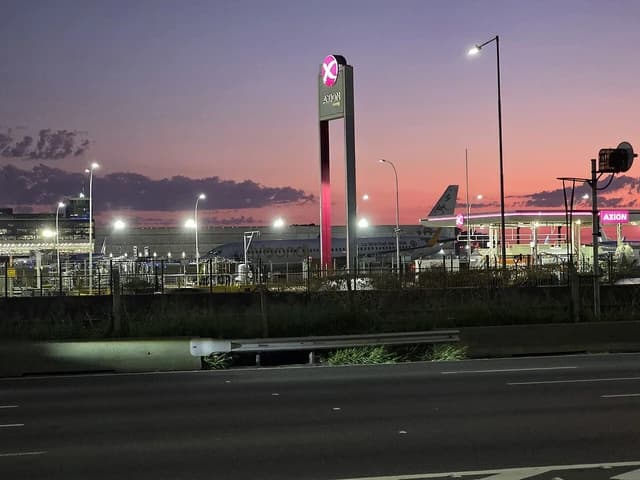
That still leaves domestic travelers carrying the heavier burden. A dollar-denominated cabotage fee makes pricing more transparent for operators, but it also shifts more currency risk onto consumers and airlines serving the local market. In a country where households are extremely sensitive to fare increases, even modest adjustments can affect demand, especially on leisure routes and short-haul business travel.
For airlines, the change adds to a familiar headache: non-fuel operating costs tied to airports and regulators. U.S. carriers have already been wrestling with higher landing and rent fees at certain airports, and in Argentina the same pattern could squeeze margins for domestic networks if carriers cannot fully pass through the higher tariff. That makes the policy especially relevant for investors with exposure to Latin America aviation, including airport operator Corporación América Airports and airlines with meaningful Argentine traffic.
The bigger narrative is that Argentina is trying to dollarize more of its infrastructure pricing to make the system financially sustainable. That may appeal to lenders and concessionaires, but for investors the key question is whether improved predictability offsets the near-term hit to passenger affordability and traffic volumes. If the new fee helps stabilize airport economics without choking demand, it could be constructive over the long run. If not, it risks becoming another small but steady drag on air travel growth in a market that is still vulnerable to price shocks. Worth watching for anyone invested in airports, airlines or Argentina’s broader turnaround.
| Entity | Gains | Losses |
|---|---|---|
| ORSNA / airport operators | ▲More predictable revenue | ▼Passenger backlash |
| Airlines serving Argentina | ▲Clearer tariff structure | ▼Higher unit costs |
| Domestic travelers | ▲— | ▼Higher ticket prices |
| Investors in airport concessions | ▲Dollar-linked cash flows | ▼Demand risk from pricier fares |