Javier Milei turned his trip to Madrid into a fresh political flashpoint, but the bigger market story is that Argentina’s postelection rally is showing signs of strain even as the president doubles down on his anti-left crusade abroad.
Argentina ETF ARGT Falls as Milei Fuels Political Risk
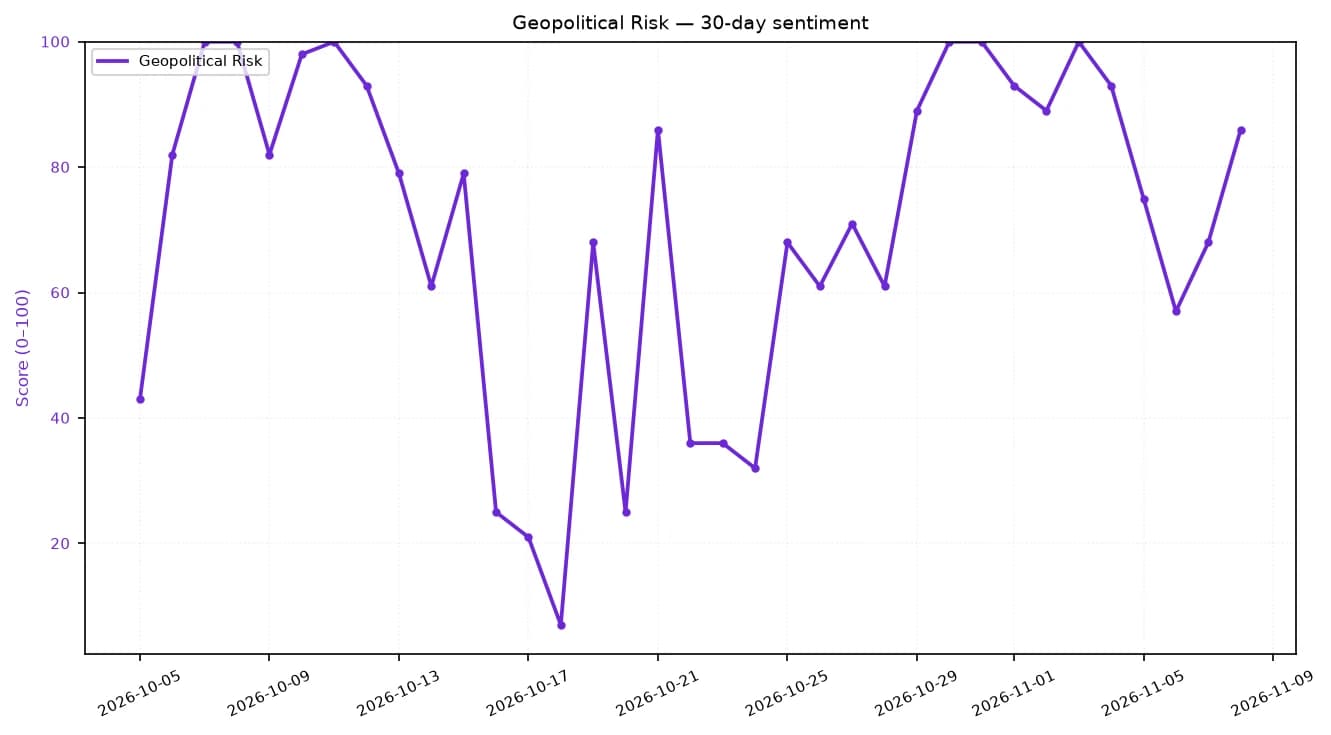
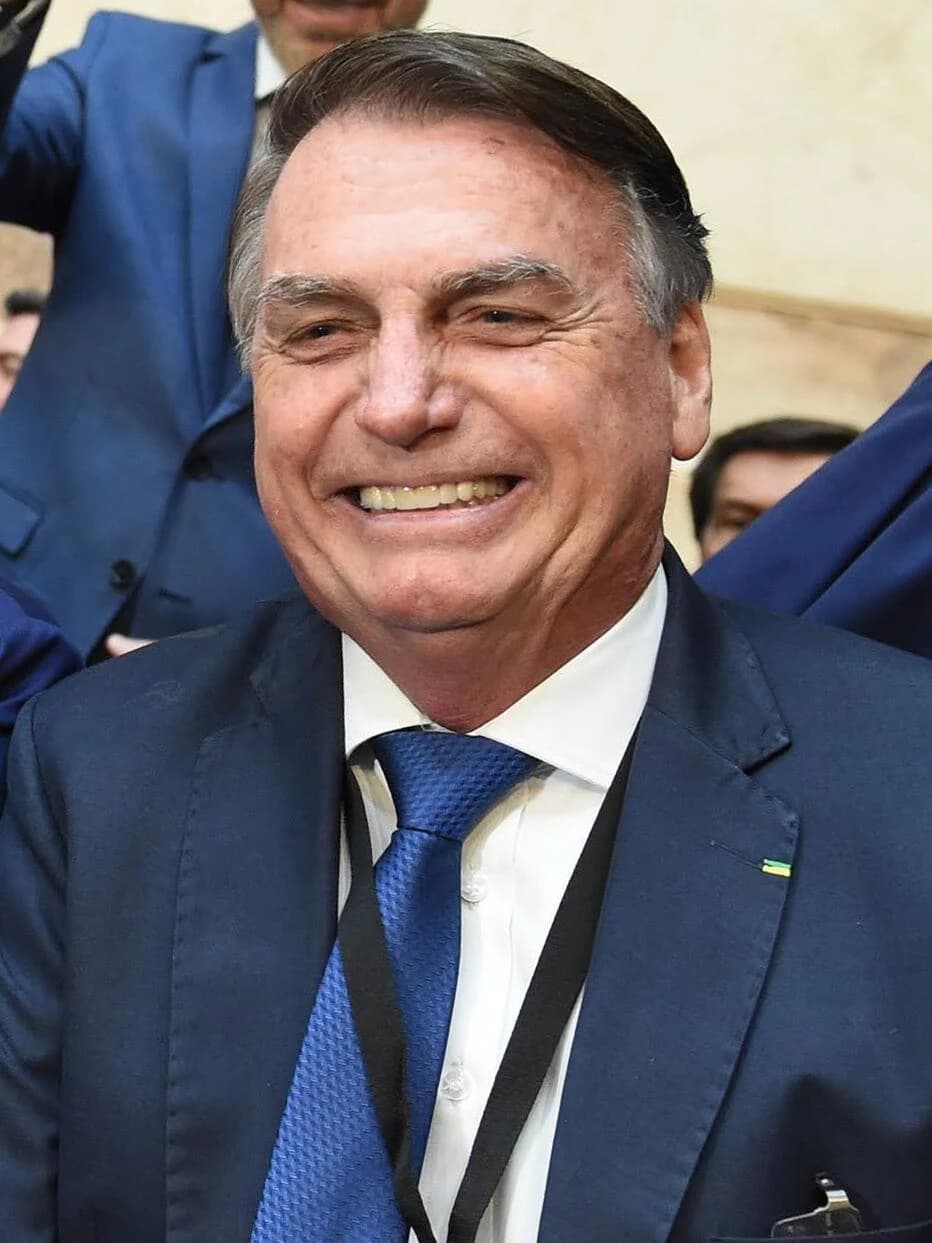
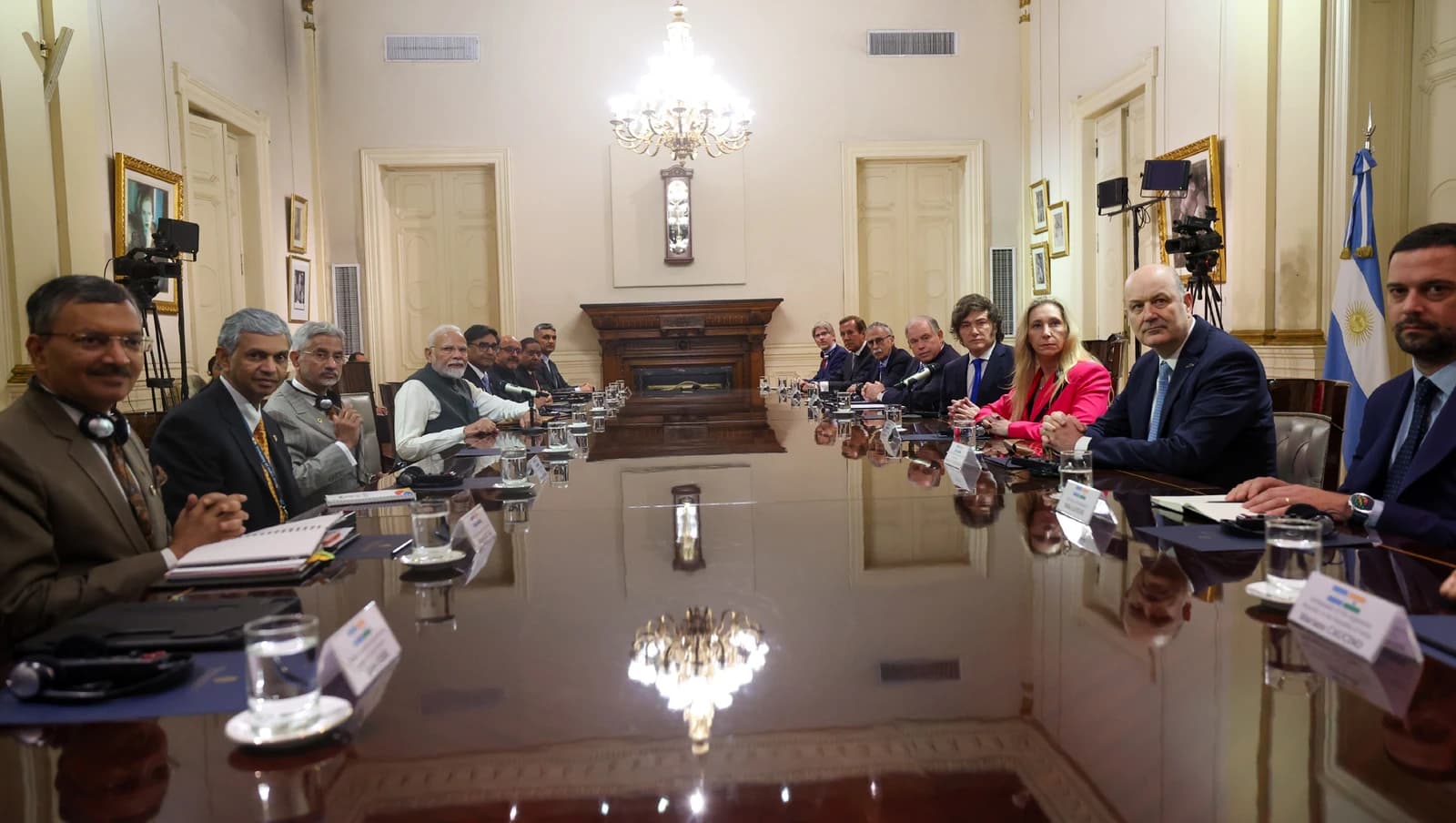
The Argentine leader greeted Pedro Sánchez at the Ibero-American Summit and then immediately sharpened his attack, calling socialism “fascist in politics” and repeating his accusation that the Spanish prime minister is an “unpresentable dictator.” For investors, the rhetoric matters less as a diplomatic insult than as a reminder that Milei remains committed to confrontation over compromise — a posture that has helped define his brand, energized supporters and kept political risk front and center for asset prices.
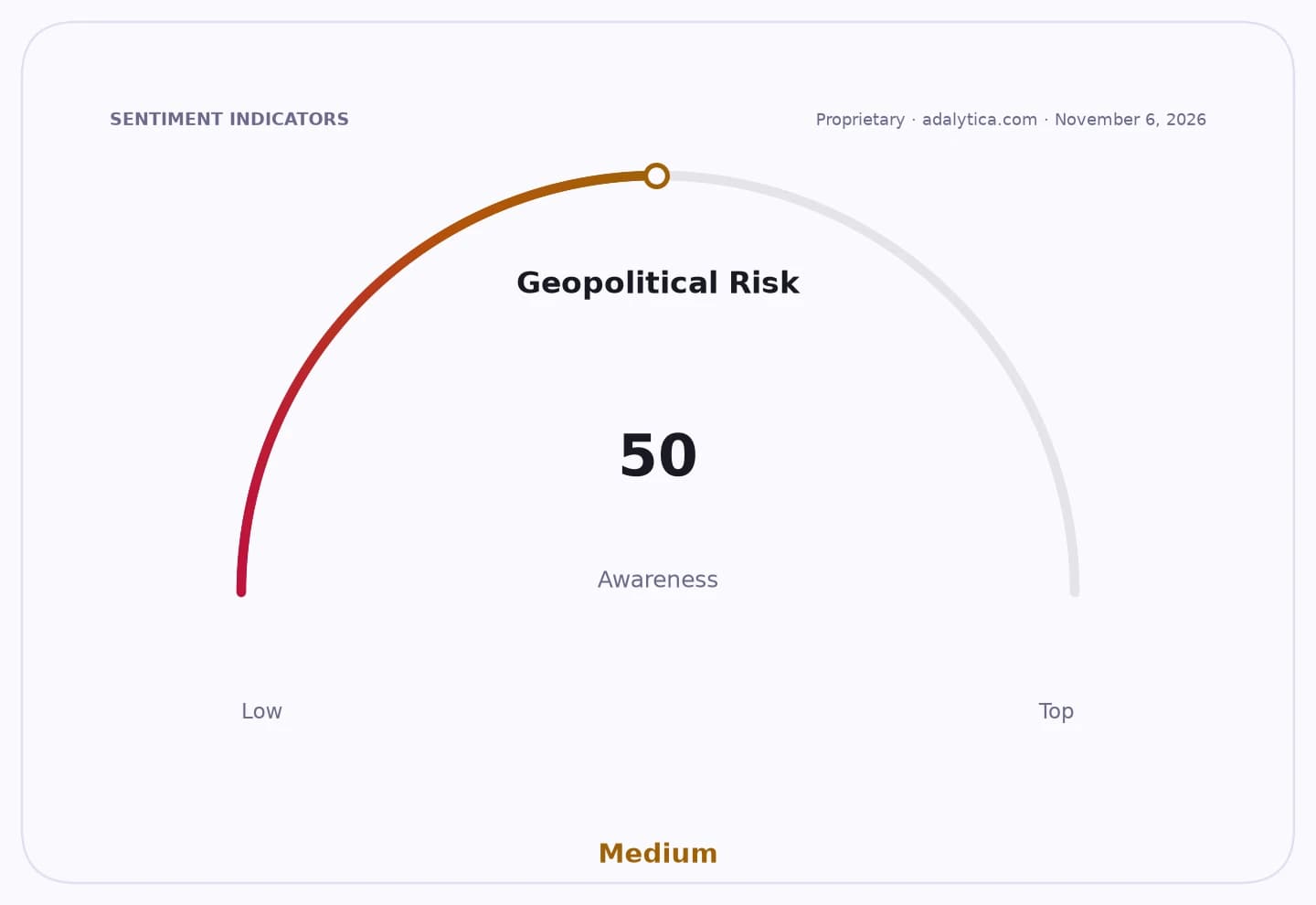
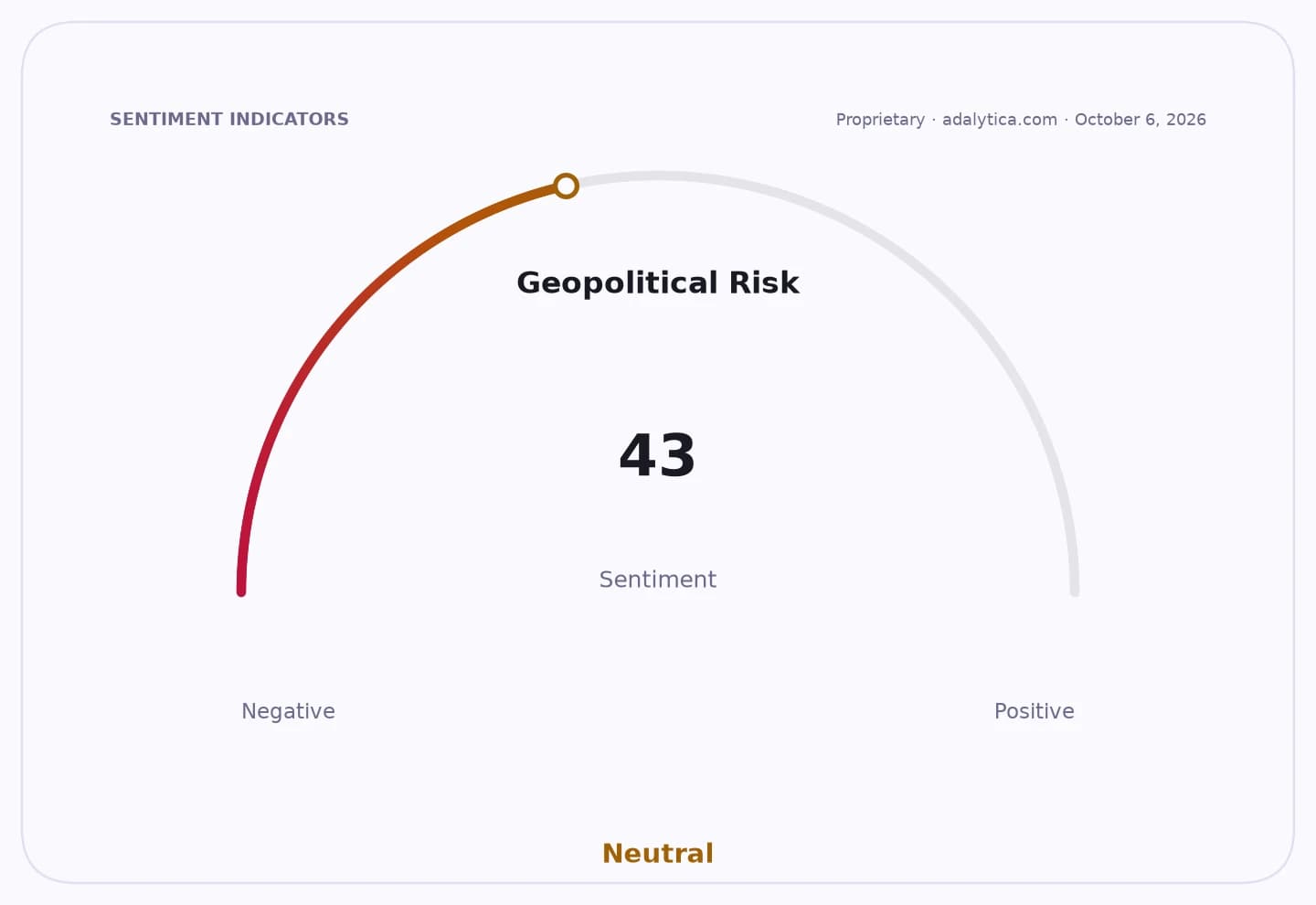
Sentiment Indicators
That matters because Argentina is still a high-beta trade on credibility. Milei’s economic agenda depends on sustaining market confidence, preserving reform momentum and keeping foreign capital interested long enough for disinflation and fiscal repair to take hold. Any widening of political noise, whether in Europe or at home, can quickly spill into risk appetite for Argentine assets, where valuation has already become far less forgiving.
The tension comes at a delicate moment for the country’s market narrative. The iShares MSCI Argentina ETF, ticker ARGT, has dropped to $73.67 from more than $96 in July, with its 50-day average now well below the longer trend and RSI readings deep in oversold territory, a sign the earlier enthusiasm has unwound sharply. At the same time, the iShares MSCI Spain ETF, EWP, has softened to $57.86, with momentum indicators still negative, underscoring how political uncertainty in both countries is feeding a weaker tone for equity investors exposed to the two economies.
Spain is not the main economic transmission channel from this episode, but it is relevant. Milei’s confrontation lands as Pedro Sánchez faces domestic pressure and a more volatile political backdrop in Madrid, adding another layer of uncertainty for investors already watching European policy risk, sovereign spreads and election dynamics. The episode also keeps attention on how Milei uses international stages to reinforce his domestic identity: anti-socialist, pro-market and aggressively ideological.
That approach can still pay off politically. Milei’s base sees confrontation as proof that he is not backsliding on reform. But markets usually prefer execution to theater, and the more his foreign-policy rhetoric dominates headlines, the more investors will ask whether the government is spending political capital on symbolism instead of delivering the policy continuity needed to unlock a durable rerating.
For now, the trade is clear: Argentina remains an asymmetric opportunity, but only for investors willing to live with headline risk. The upside still lies in reform credibility, fiscal discipline and eventual capital inflows. The danger is that every diplomatic clash reinforces the market’s old fear — that Argentina’s volatility is still driven as much by politics as by policy.
| Entity | Gains | Losses |
|---|---|---|
| Milei supporters | ▲anti-left messaging | ▼diplomatic friction |
| Argentine reform bulls | ▲reform resolve narrative | ▼headline volatility |
| ARGT holders | ▲long-term policy optionality | ▼near-term price pressure |
| Spain/Spain ETF investors | ▲limited direct benefit | ▼political uncertainty |