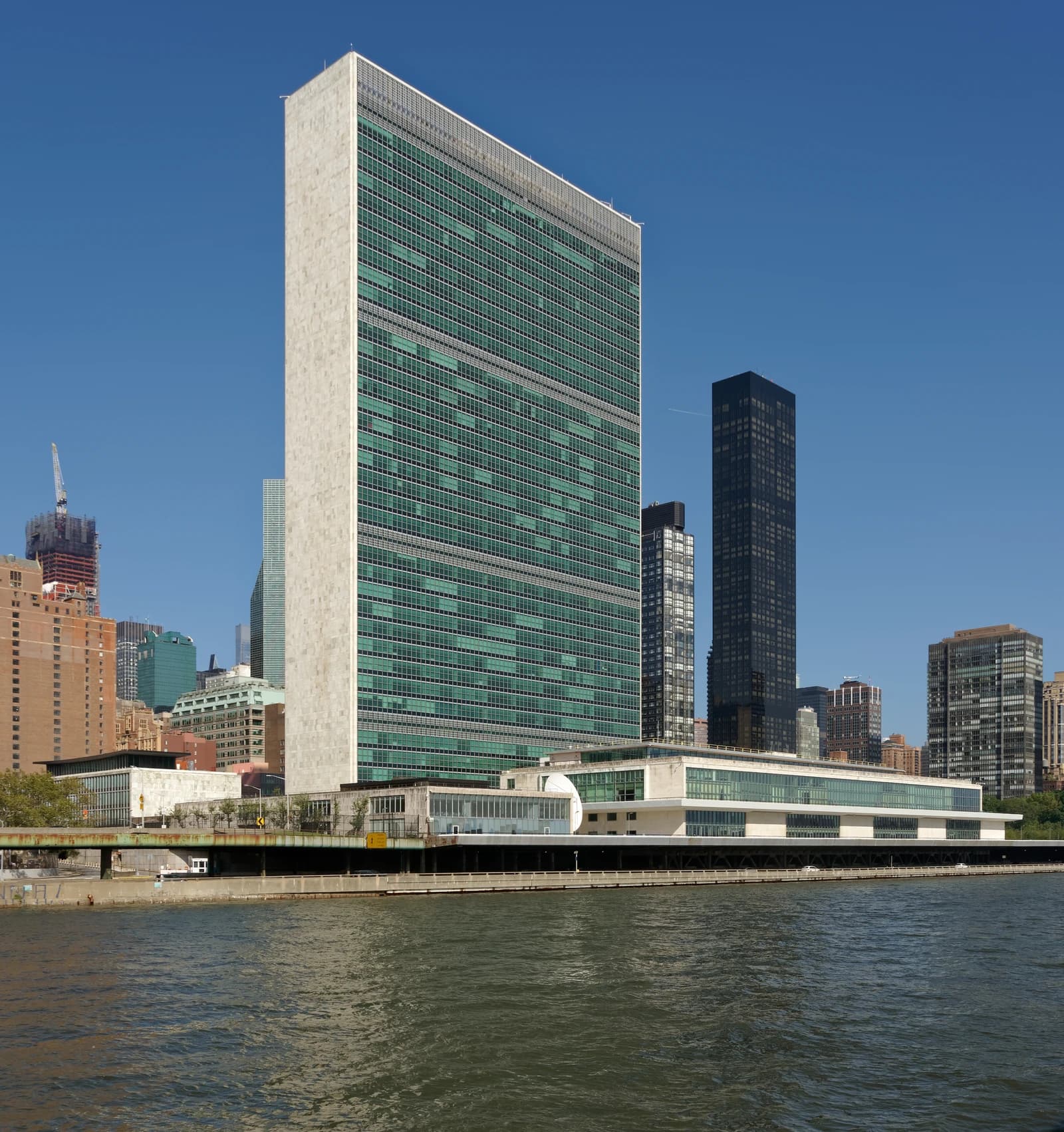
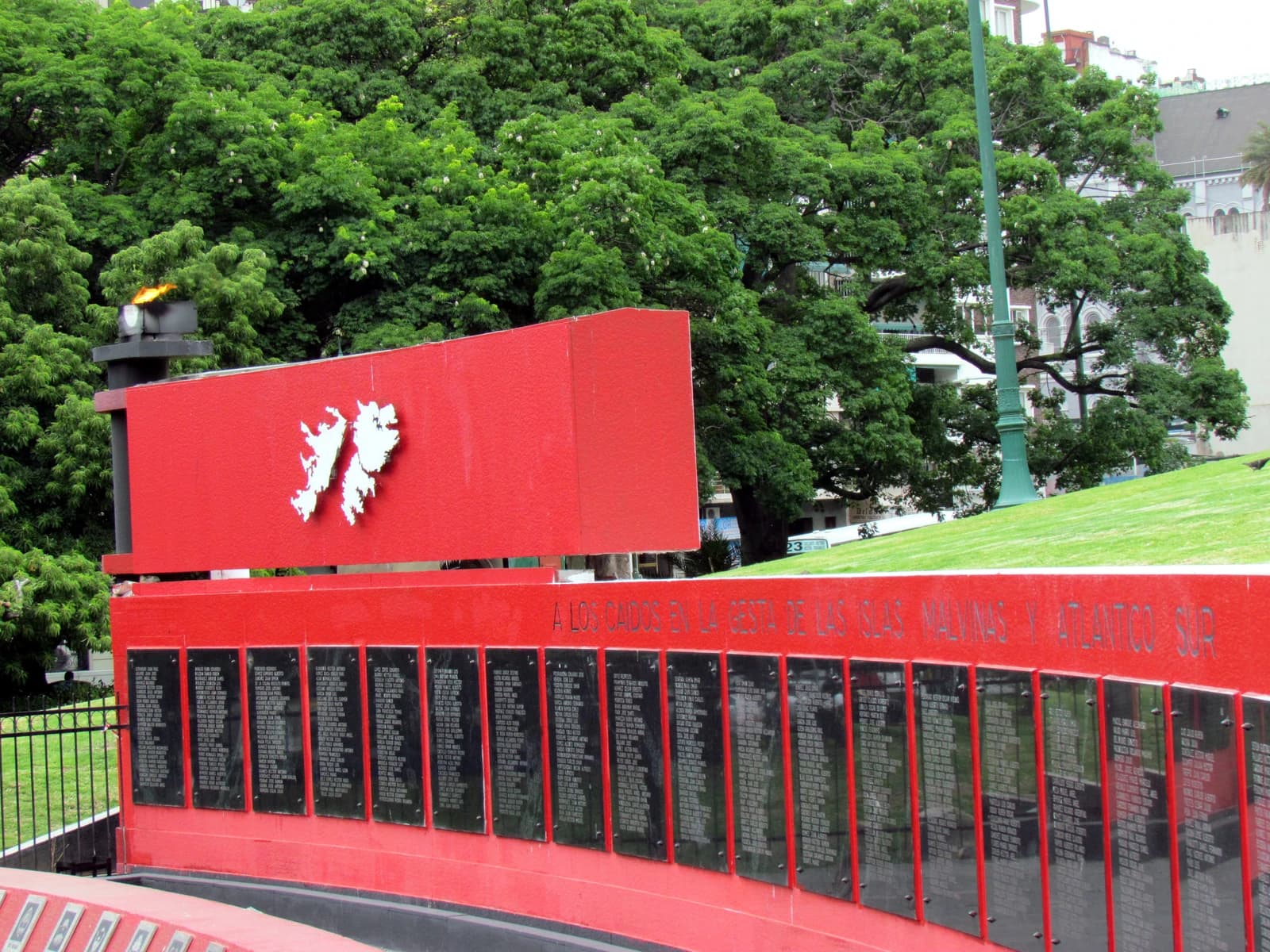
Argentina’s President Javier Milei is turning the Falkland Islands dispute into a live geopolitical and market issue again, using the UN General Assembly and threats against the Sea Lion oil project to put British interests under pressure.
Argentina Falklands dispute raises Sea Lion oil risk
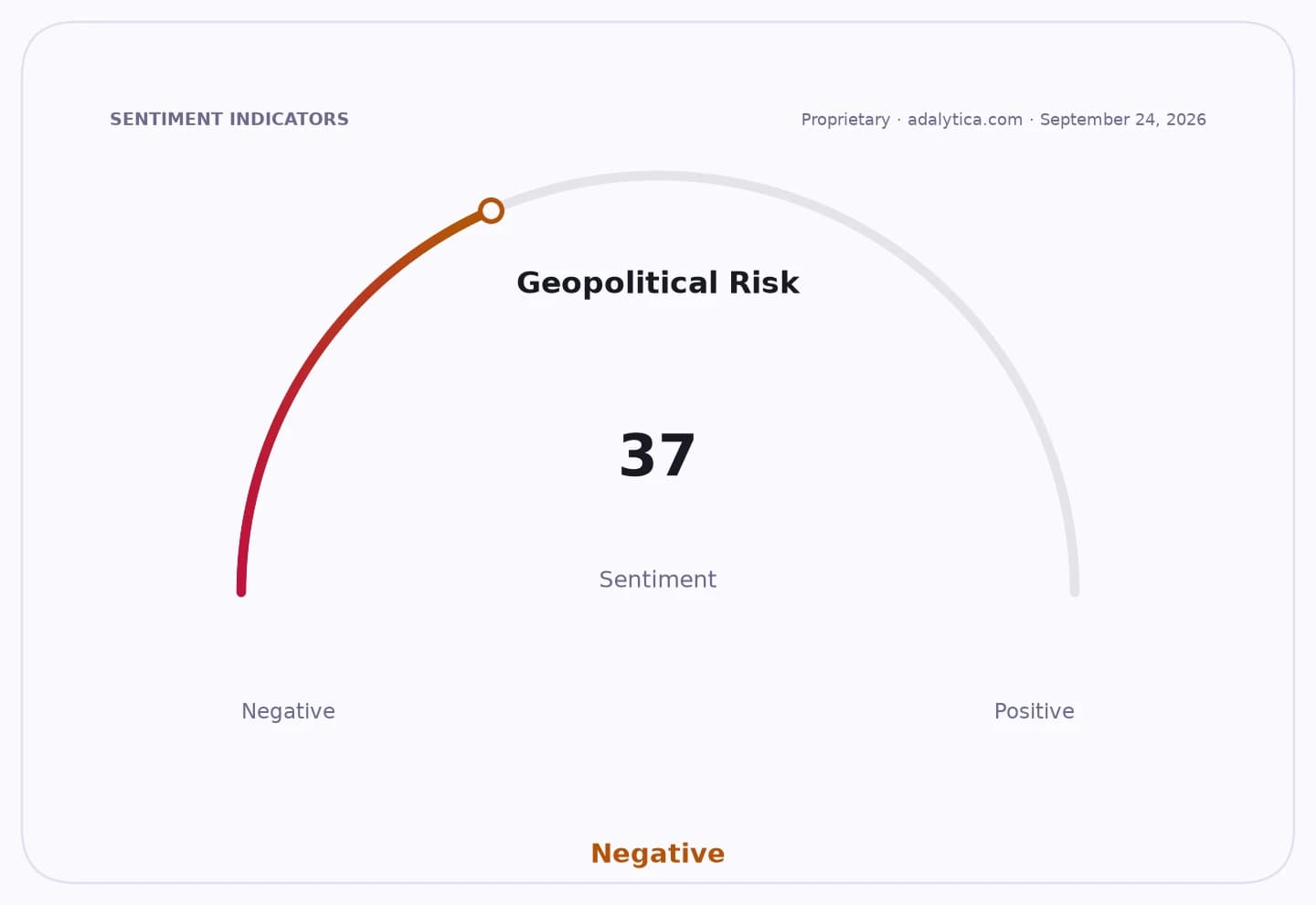
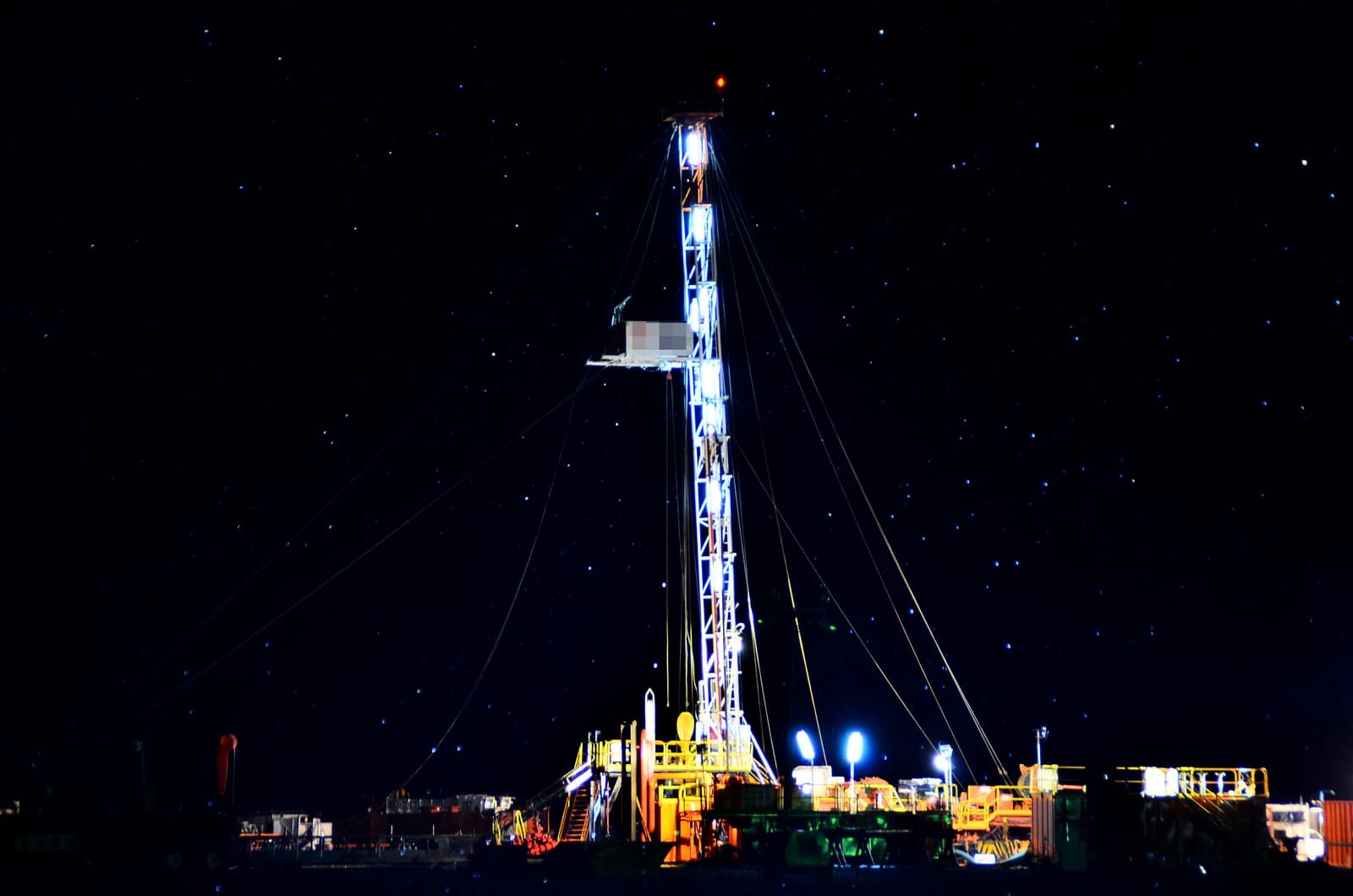
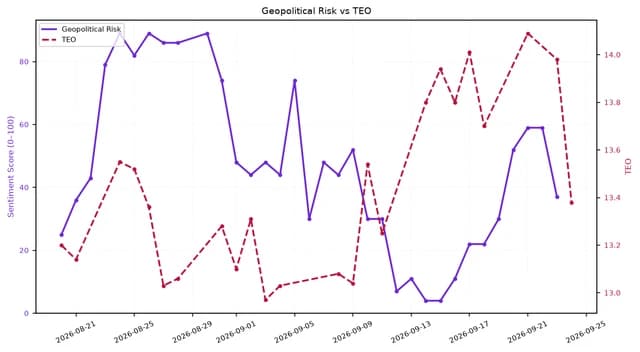
The renewed push matters economically because Sea Lion is not just a sovereignty symbol. It is a potentially commercial offshore oil development that could add to regional energy output, attract foreign capital and sharpen the stakes for companies exposed to the South Atlantic. By signaling sanctions against firms involved and moving to harden Argentina’s legal and military posture near Tierra del Fuego, Milei is raising the cost of doing business around the islands and injecting fresh risk into investment plans that depend on regulatory stability.
The timing is also political. Milei is facing weak approval ratings and a deteriorating economic backdrop at home, which makes nationalism a useful tool even for a libertarian leader who has mostly campaigned on market reform and fiscal discipline. The Falklands issue gives him a unifying foreign-policy cause that plays well domestically and distracts from mounting pressure over the economy. That makes the dispute more than rhetorical: it is now tied to his political durability ahead of next year’s election.
Britain’s response underscores how sensitive the issue remains. London has rejected Argentina’s sanctions threat as legally unfounded and reiterated that the islands are British, with their residents entitled to develop natural resources under self-determination. The clash increases the odds of diplomatic friction even if neither side wants outright escalation. Argentina has long pursued its sovereignty claim through the UN, where annual resolutions have kept the dispute alive despite little practical progress since the 1833 British takeover and the 1982 war.
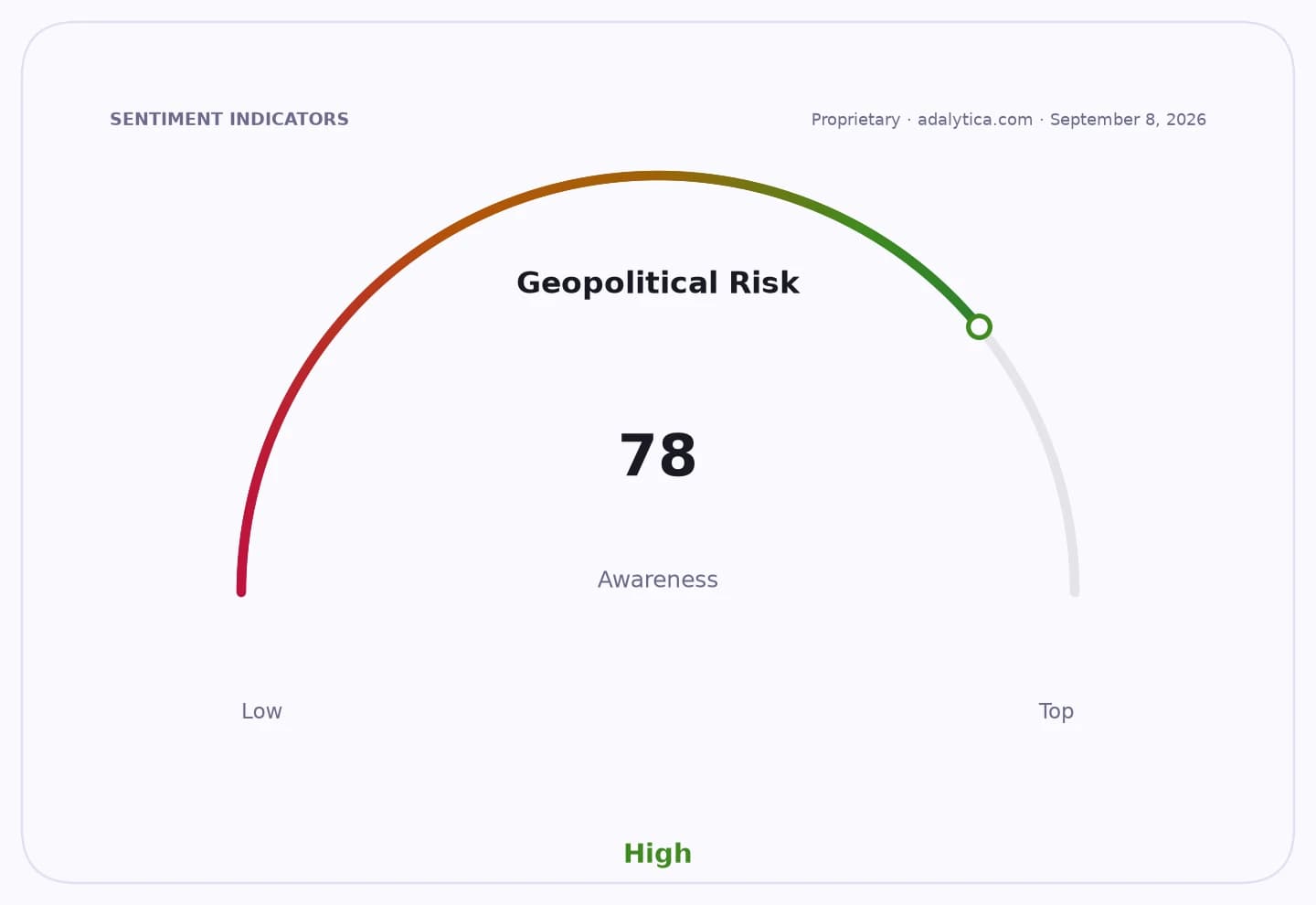
For investors, the main question is whether Milei’s move stays at the level of political theatre or turns into enforceable policy. If the government follows through with sanctions or obstructive regulation, operators tied to Sea Lion and related logistics could face delays, legal challenges and higher financing costs. If the rhetoric fades after the UN stage, the immediate market impact may be limited. But the episode is a reminder that in Argentina, sovereign risk is not confined to debt markets — it can spill into energy, shipping and cross-border investment.
| Entity | Gains | Losses |
|---|---|---|
| Javier Milei / Argentine government | ▲Domestic nationalist support | ▼Policy credibility |
| British-linked Sea Lion operators | ▲— | ▼Higher legal and political risk |
| Argentina’s energy nationalism | ▲Public backing | ▼Foreign-investment confidence |
| UK government / Falkland residents | ▲International legal position | ▼Short-term diplomatic pressure |