Axel Kicillof is emerging as the most credible political threat to Javier Milei, and markets should treat that as a real risk to Argentina’s reform trade.
Argentina Kicillof leads Milei in early runoff poll

The governor of Buenos Aires province is gaining ground in early polling, with the latest Tendencias survey showing him ahead in a hypothetical runoff 46.1% to 37.4%. The election is still more than a year away, but the market already knows the shape of the contest: Milei’s austerity-and-liberalization program versus a return to the interventionist playbook that defined Argentina’s last populist cycle.
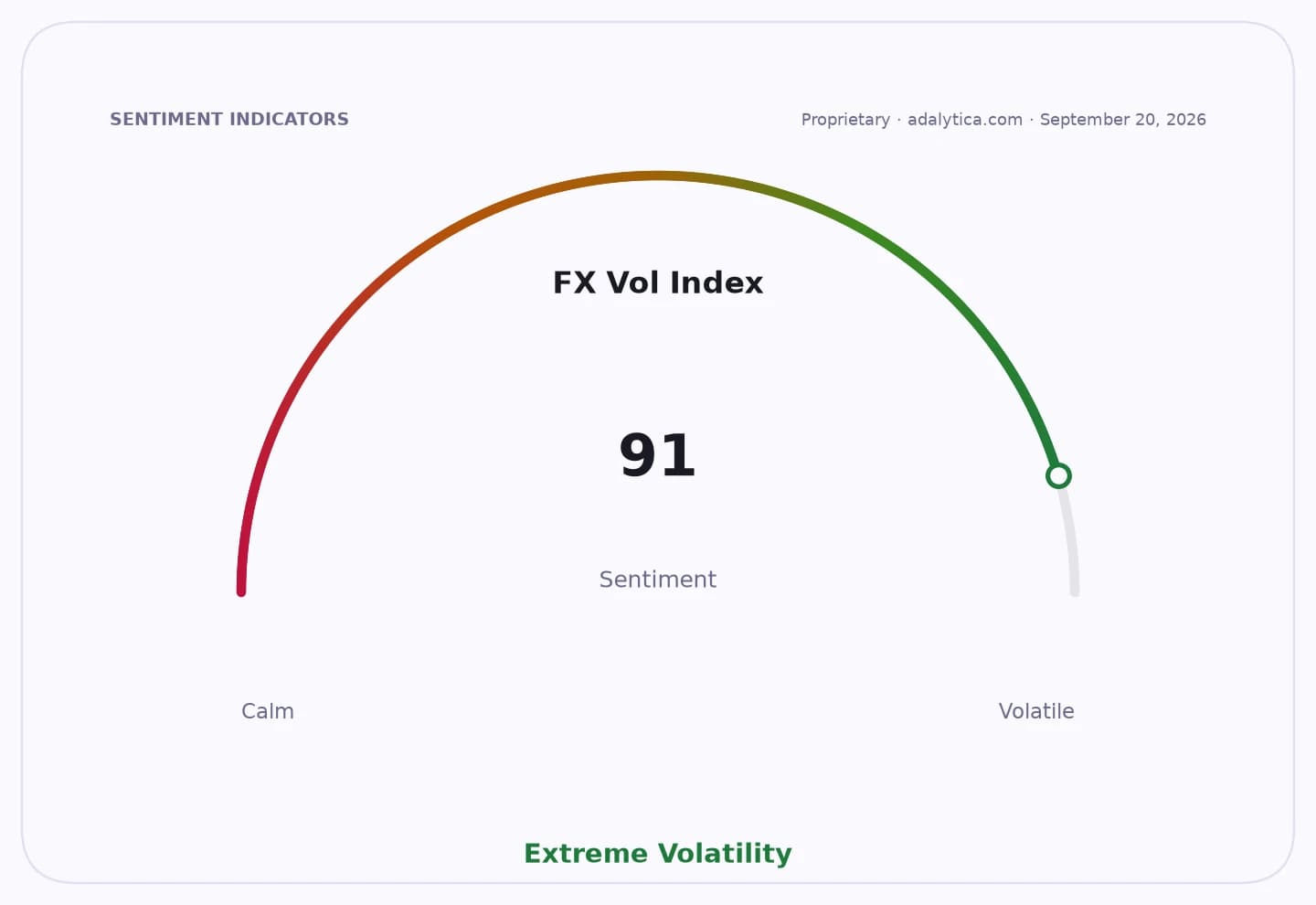
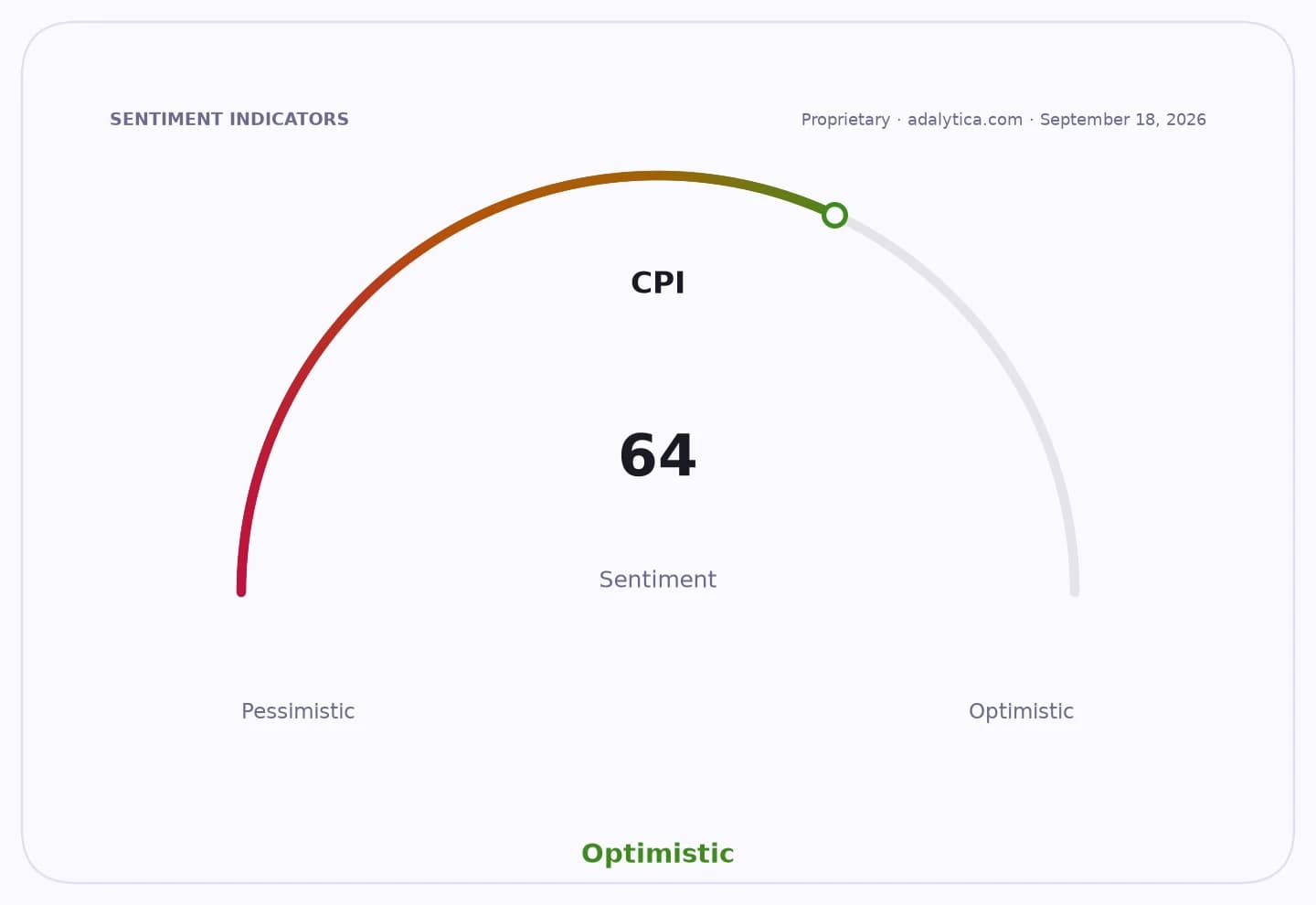
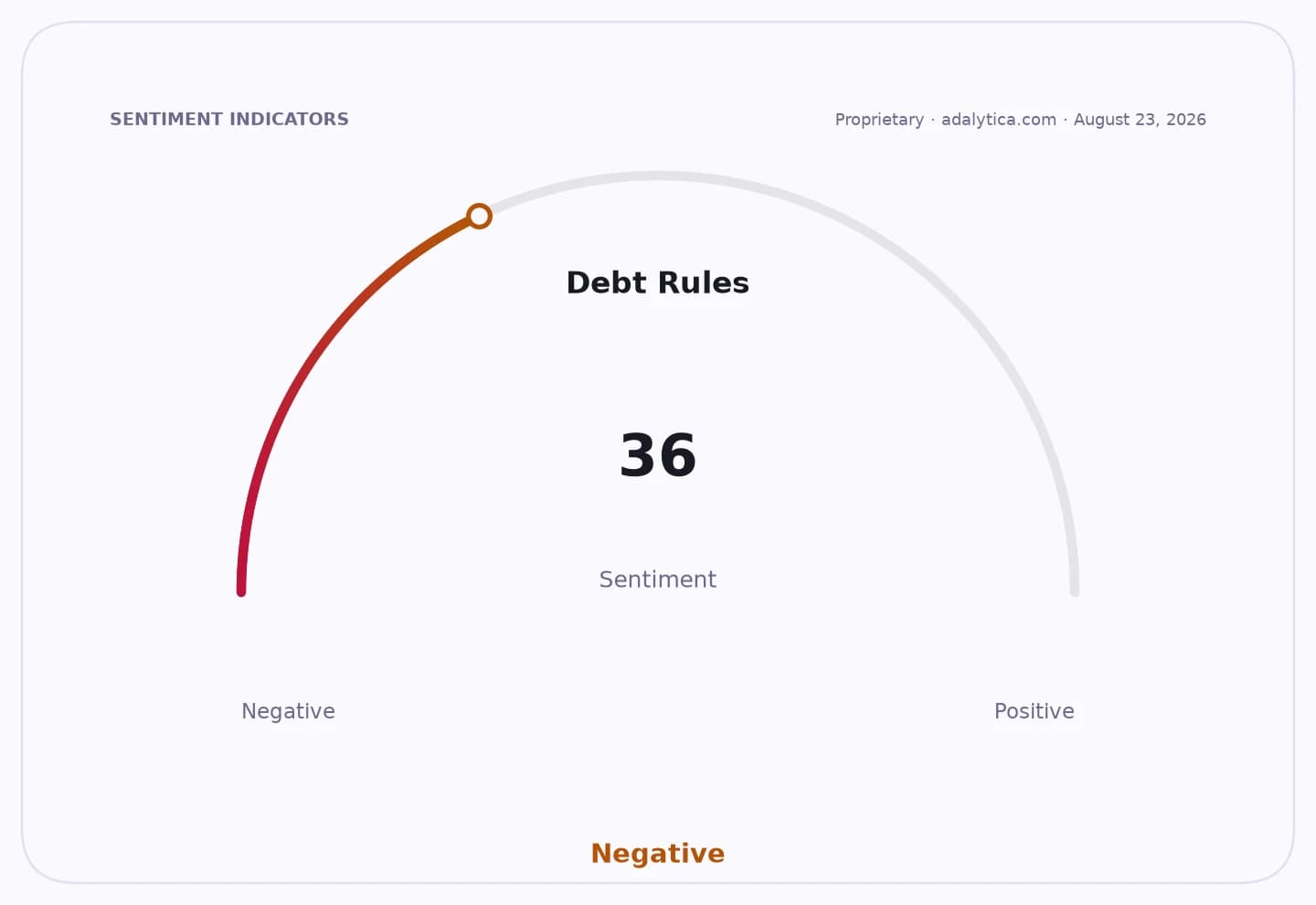
Sentiment IndicatorsⓘProprietary · adalytica.com · September 8, 2026
This is a snapshot — live sentiment, awareness and momentum for 130+ markets update continuously in the dashboard.Open AlphaPulse
That matters because Argentina’s asset prices have been built around the assumption that Milei can keep crushing inflation, shrinking the state and eventually unlock foreign capital. The country has made progress on inflation, but the bigger prize — durable investment inflows — remains elusive. A credible path back to a more statist government would revive the market’s oldest fear: that every Argentine administration dismantles the previous one, destroying policy continuity and keeping the country permanently expensive to finance.
Kicillof is not a generic opposition figure. As economy minister under Cristina Kirchner, he was closely associated with the state-heavy model that unnerved foreign investors and left deep scars in local credibility. The prospect of him taking over would likely widen the discount on Argentine risk again, especially among global funds that have only recently begun to re-engage with the story. For investors, that means the current optimism around Argentine reform assets is still fragile and politically contingent.
The economic backdrop explains why the stakes are so high. Milei can point to lower inflation and a more disciplined public sector, but household pain remains severe. In the Tendencias poll, 41.2% said they barely make it to the end of the month on their salaries, 22.4% have had to cut spending and only 16.9% can save. Even after nearly 1,000 days of Milei in office, 44.4% blamed his government for the economy’s problems, suggesting the political payoff from stabilization has been limited so far.
That makes the election story more than a personality clash. It is a referendum on whether Argentina can break its long cycle of policy resets. If Milei’s reforms survive, the investment case extends beyond disinflation into a broader rerating of Argentine equities, bonds and hard-asset plays tied to energy, mining and infrastructure. If Kicillof and the Peronist camp regain power, the market will likely reprice for higher policy risk, slower privatization and less enthusiasm from abroad.
The split within Peronism adds another layer of uncertainty, because Kicillof still has to navigate his rivalry with Cristina Kirchner and define whether he can unify the anti-Milei camp. But the direction of travel is already clear: campaign season has started early, and investors should expect volatility to rise as the political contest becomes a battle over the entire economic model.
For now, the trade is simple: stay constructive on Argentina only with discipline, and remember that the biggest catalyst for the market may also be its biggest risk — a 2027-style policy reversal arriving much sooner in price.
| Entity | Gains | Losses |
|---|---|---|
| Axel Kicillof | ▲Early momentum | ▼Reform-minded investors |
| Javier Milei | ▲Inflation progress | ▼Political capital |
| Argentine voters | ▲Policy debate | ▼Short-term uncertainty |
| Argentine assets | ▲If reforms survive | ▼If policy resets return |