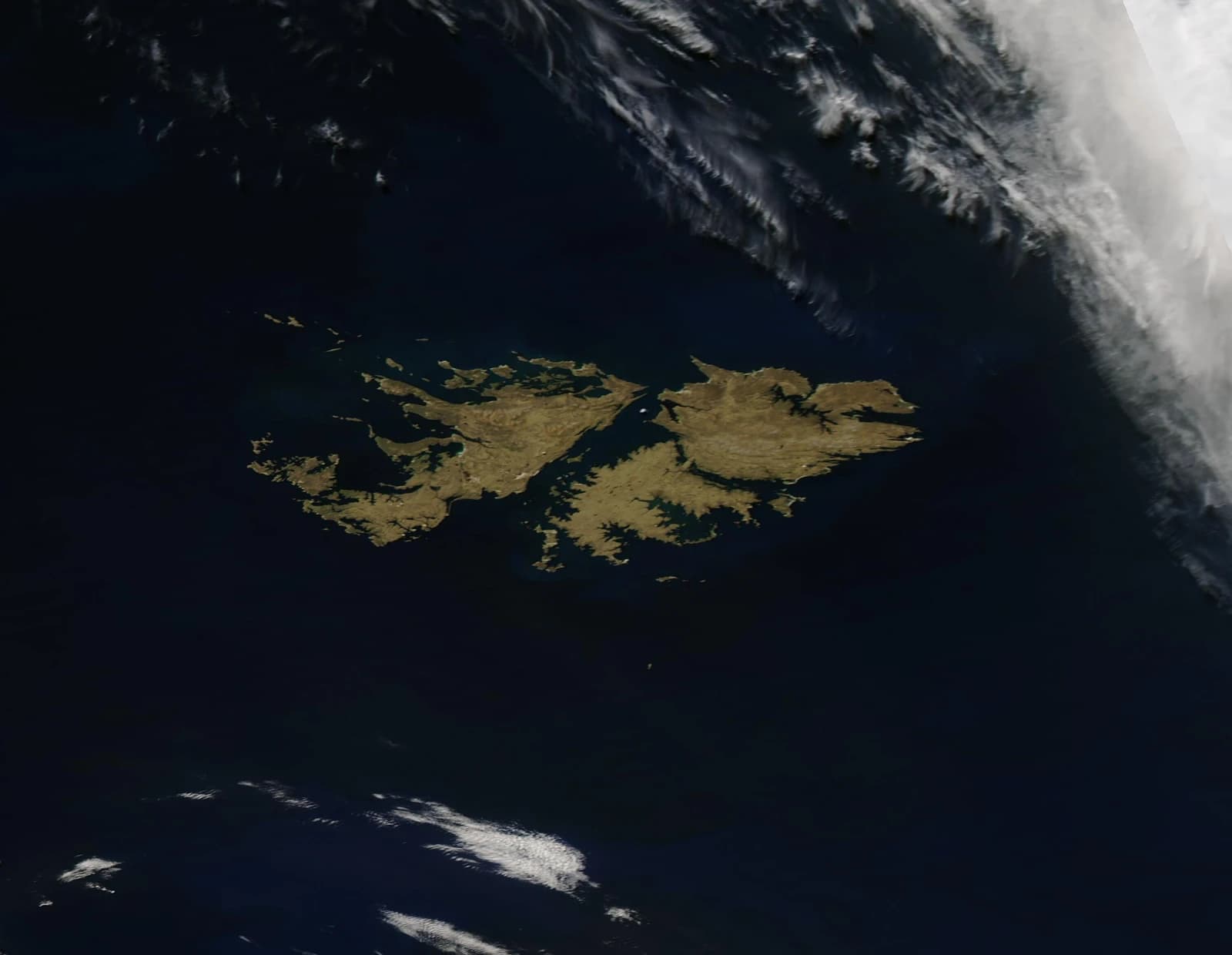
Argentina’s political fight over the Falklands, known locally as the Malvinas, has abruptly shifted as even one of President Javier Milei’s fiercest critics welcomed his tougher stance against Britain and companies operating on the islands.
Argentina Malvinas policy shift raises investor risk
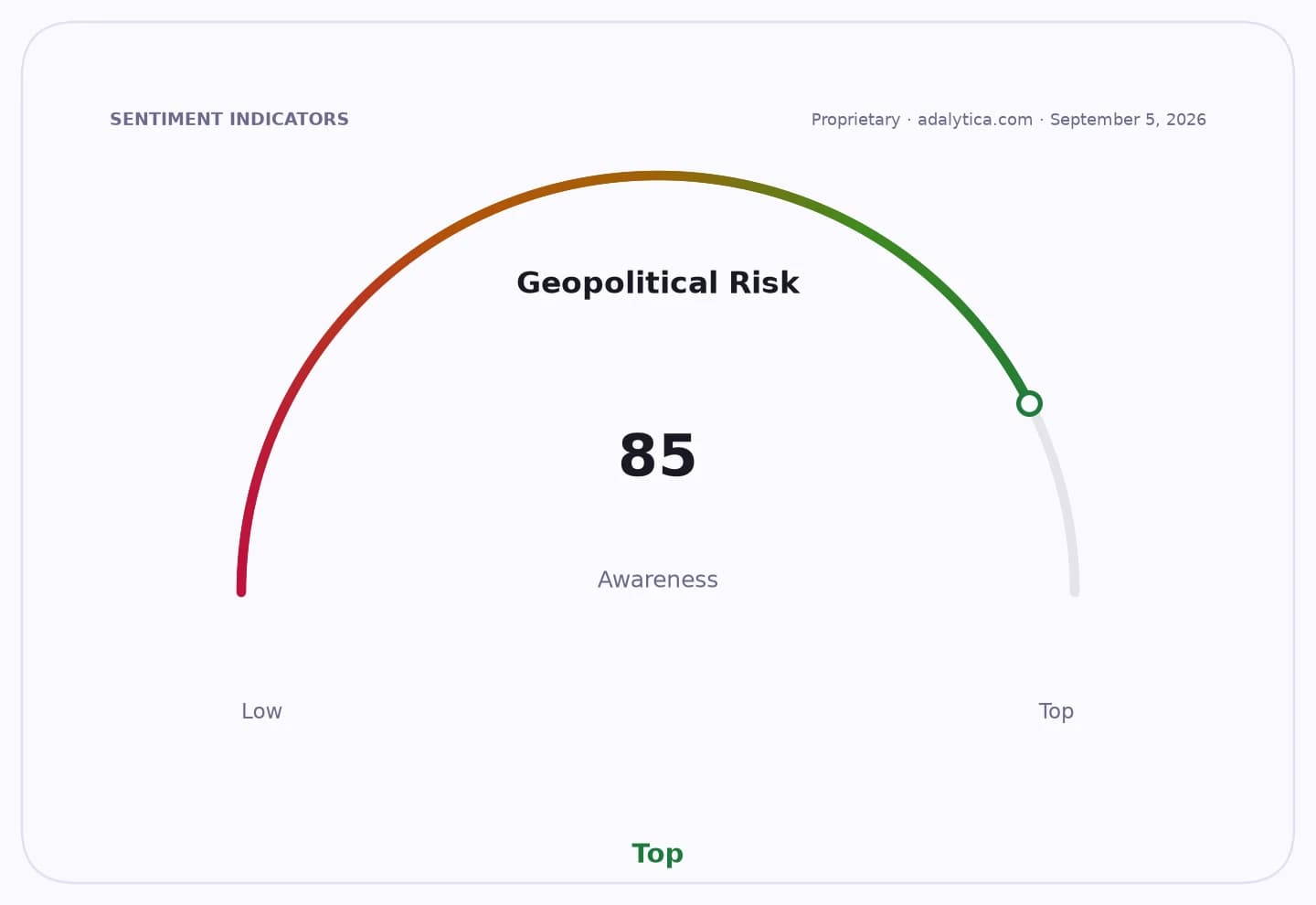
That matters because the dispute is not just symbolism. Milei’s new line, delivered in a national address, hardens Buenos Aires’ sovereignty claims, signals tighter enforcement risks for firms active around the islands and marks a sharp reversal from his earlier support for self-determination for island residents. For investors, the change raises questions about legal exposure, geopolitical friction and whether the government is prepared to translate rhetoric into measures that could affect shipping, energy, logistics and broader relations with the UK and its allies.
Sentiment IndicatorsⓘProprietary · adalytica.com · September 5, 2026
This is a snapshot — live sentiment, awareness and momentum for 130+ markets update continuously in the dashboard.Open AlphaPulse
Juan Grabois, a lawmaker from the opposition Union for the Homeland bloc, called the shift a “180-degree change” and said “anything against the invading English is fine,” while warning Milei not to revert to his previous “surrendering” posture. Former foreign minister Santiago Cafiero made a similar point, saying Milei had been forced to fall back on diplomacy he had previously dismissed.
The political significance is that Milei, who last year said the islanders should one day “vote with their feet” to become Argentine, now says the population is “implanted” on occupied territory and has no legitimate right to self-determination. That language aligns more closely with Argentina’s long-standing official doctrine and could make it easier for Buenos Aires to argue for sanctions or administrative restrictions against firms doing business in the islands.
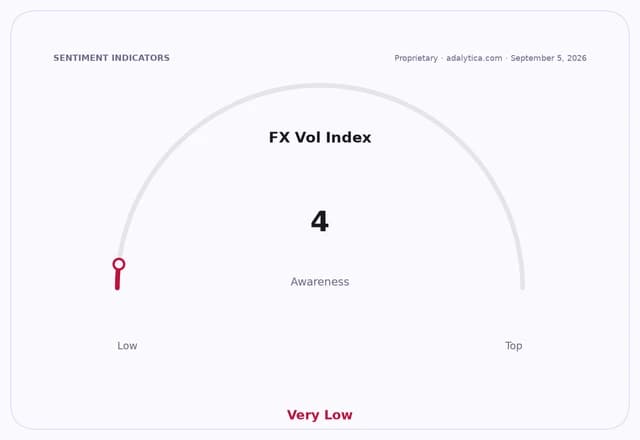
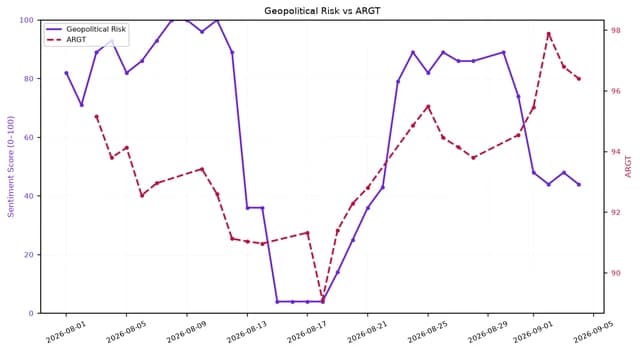
For markets, the immediate effect is less about direct asset pricing than about country risk. Argentina’s broader sovereign story has been driven by fiscal adjustment, currency instability and efforts to rebuild credibility. A more confrontational Malvinas policy adds a geopolitical variable that could complicate those efforts, particularly if it feeds disputes over maritime activity, energy exploration or foreign investment in the south Atlantic.
The move may also be read domestically as an attempt by Milei to broaden his nationalist appeal without abandoning his core economic agenda. The upside case is that the government is simply restoring a traditional sovereignty position while avoiding costly escalation. The downside case is that it introduces another front of uncertainty in a country already wrestling with fragile markets and heavily conditioned investor sentiment.
What comes next will depend on whether the new posture becomes operational policy. If sanctions, licensing rules or enforcement steps follow, companies with exposure to the islands and the wider South Atlantic would face a higher political-risk premium. If it remains largely rhetorical, the market impact may be limited to headline volatility — but the message is clear: Malvinas has re-entered Argentina’s economic and diplomatic risk map.
| Entity | Gains | Losses |
|---|---|---|
| Milei government | ▲nationalist support | ▼policy consistency |
| Malvinas claimants in Argentina | ▲stronger sovereignty case | ▼room for compromise |
| UK-linked operators | ▲none | ▼higher regulatory risk |
| Argentina investors | ▲clearer doctrine if enforced | ▼added geopolitical uncertainty |