Argentina is moving to give authorities direct access to bank transfers while trying to revive a dormant mortgage market with long-term loans backed by public funds, a combination that could reshape credit flows, property demand and bank lending at a time when the economy is still struggling to restore confidence.
Argentina Mortgage Plan and Bank Transfer Access
The bigger economic significance is not just the lending program itself, but the state’s effort to re-engineer financial intermediation. Economy Minister Luis Caputo’s $2 billion initiative would use ANSES funds to provide banks with longer-term financing, allowing mortgage loans of at least 15 years at rates capped at UVA plus 7.5%. In a country where mortgage credit has been starved by inflation, volatile rates and weak balance sheets, the policy amounts to a state-backed bridge between savers and borrowers.
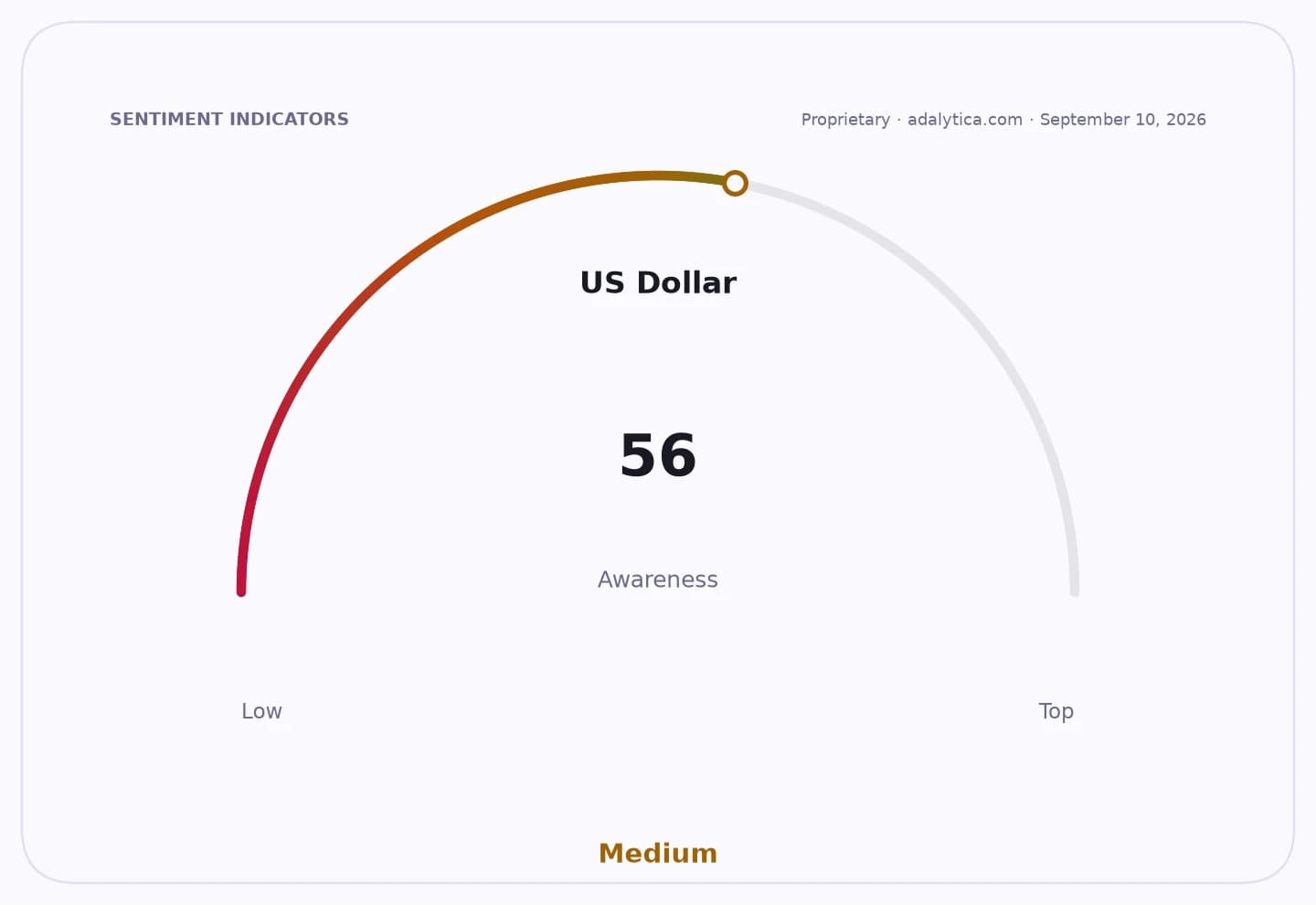
Sentiment IndicatorsⓘProprietary · adalytica.com · August 30, 2026
This is a snapshot — live sentiment, awareness and momentum for 130+ markets update continuously in the dashboard.Open AlphaPulse
That matters because housing finance is one of the clearest channels through which macro policy reaches households and construction. More accessible mortgages can lift home purchases, support developers and generate demand for materials, labor and related services. Banks have welcomed the plan because it can expand a product that has been nearly absent from the market, while construction firms see a potential boost to activity after years of stagnation.
The policy also has a second, more controversial edge: direct access to bank transfers for the authorities. That would give the state a stronger grip on the financial system and could improve enforcement and traceability, but it also raises concerns about privacy, capital controls and the scope of government oversight. For investors, the question is whether the measure will improve credit collection and formalize transactions, or instead deepen mistrust in a system already sensitive to policy intervention.
Markets are likely to focus on the balance between those two forces. If the mortgage program gains traction, it could support bank loan growth and fee income while offering lenders a new avenue for asset expansion. JPMorgan Chase, Bank of America and Wells Fargo have shown how mortgage activity can still matter to bank revenue even in mature markets; in Argentina, the same dynamic could be more pronounced because the market is starting from a much lower base.
The yield backdrop also reinforces why the plan is being watched closely. The U.S. 10-year Treasury is near 4.6%, and the Fed funds rate is around 3.6%, underscoring how sensitive long-duration lending remains to interest-rate expectations. In Argentina, where inflation and policy credibility matter even more, the promise of fixed-term housing credit will depend less on the headline rate than on whether borrowers believe repayments will remain manageable over time.
For now, the rallying point is political as much as financial: the government is trying to show it can stimulate the real economy without returning to the old cycle of distortion and emergency lending. If the mortgage scheme works, it could become a template for broader credit recovery. If it disappoints, the authorities’ new access to financial data will be viewed less as modernization than as greater control.
| Entity | Gains | Losses |
|---|---|---|
| Argentine homebuyers | ▲Longer-term mortgage access | ▼Higher monitoring and policy risk |
| Banks | ▲New loan growth opportunity | ▼More regulatory scrutiny |
| Construction firms | ▲Potential demand boost | ▼If uptake stays weak |
| Argentine government | ▲Better control of transfers and credit flow | ▼Trust and privacy concerns |