Argentina is again under pressure from Brazil’s weaker real, with the sharp move in the region’s biggest trading partner worsening the peso’s slide, eroding export competitiveness and forcing policymakers to choose between a faster official devaluation and tighter market intervention.
Argentina Peso Slips as Brazil Real Weakens

The strain matters because Brazil is Argentina’s key commercial counterpart, so every leg lower in the real makes Brazilian goods cheaper in pesos and Argentine goods more expensive in reais. That hits factories, agri-exporters and retailers at a time when the economy is already dealing with scarce reserves, a wide risk premium and a currency market that has become more dependent on official management.
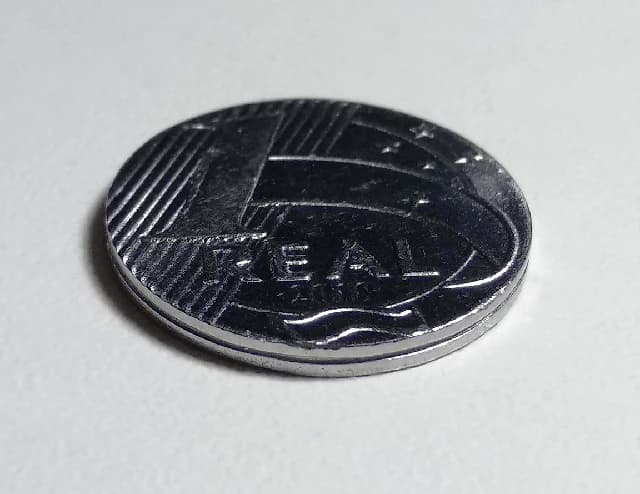
The bilateral real exchange rate fell 13.7% in less than a month, according to Outlier, dropping below its April 2025 low. In Brazil, the dollar jumped from 4.95 reais to 5.95 in three weeks, a move of about 20%, prompting the Banco Central do Brasil to intervene with a $1 billion auction, its first since 2024. Over the same week, the dollar rose 4.97% against the real and 2.36% against the Argentine peso.
Argentina’s sovereign assets have absorbed the shock. Country risk climbed back to about 1,070 basis points, while the retail exchange rate touched 1,600 pesos per dollar at banks on Friday. The peso is also showing signs of stress in market pricing: on the latest data, the dollar traded at 1,592 pesos, well above its 50-day moving average of 1,531.93, with an RSI reading of 86.9, a level that typically points to an overextended move.
That leaves the central bank with fewer comfortable options. According to analysts cited in the local report, the Banco Central de la República Argentina had been operating within an implicit corridor that advanced 1% per month, but the latest move in the real and the global dollar lifted the “center” of that range to the equivalent of a much weaker real exchange rate. Even so, the central bank bought $121 million last week while the official rate remained above that corridor’s top end, suggesting it is still trying to slow the adjustment rather than allow a sharper pass-through.
Market hedging is also rising. The contado con liquidación rate gained 5.94% in the week and the gap with the official wholesale rate widened to 13.3%, while unusual trading volumes in dollar-linked instruments and futures point to heavy demand for protection. GMA Capital said those flows suggest the government may have leaned on futures and dollar-linked bonds to cap the move.
For investors, the setup is a trade-off between competitiveness and stability. Letting the official rate run further could ease the loss of export competitiveness against Brazil, but it risks feeding inflation and undermining the government’s credibility on disinflation. Defending the peso more aggressively would help curb prices, but it drains reserve-accumulation capacity and leaves Argentina more exposed if the external backdrop stays hostile.
The next test comes over the coming two weeks, with December seasonal peso demand from salaries, bonuses and holiday spending potentially offering temporary relief. But analysts say the broader backdrop is unlikely to improve quickly, leaving Argentina vulnerable to further volatility in the real, the dollar and its own domestic currency market.
| Entity | Gains | Losses |
|---|---|---|
| Brazilian exporters | ▲Cheaper prices in Argentina | ▼Argentine competitors |
| Argentine importers | ▲None | ▼Higher costs in reais and dollars |
| BCRA / government | ▲More time if intervention works | ▼Reserves, credibility, pricing power |
| Argentine exporters | ▲If peso weakens further | ▼If Brazil stays cheaper in dollar terms |