Argentina’s retail peso weakens to a fresh nominal high as demand for dollar protection intensifies, underscoring how persistent inflation and market volatility are feeding a broader flight to safety.
Argentina peso hits fresh nominal highs
The official retail dollar rose to 1,580 pesos for sale at Banco Nación, up 0.3% on the day and 10 pesos in three sessions, while climbing 20 pesos so far in November. Wholesale rates also hit a record at 1,557 pesos, leaving the currency 26.7% below the government’s upper band and showing that the pressure is coming through the broader market, not just the street level.
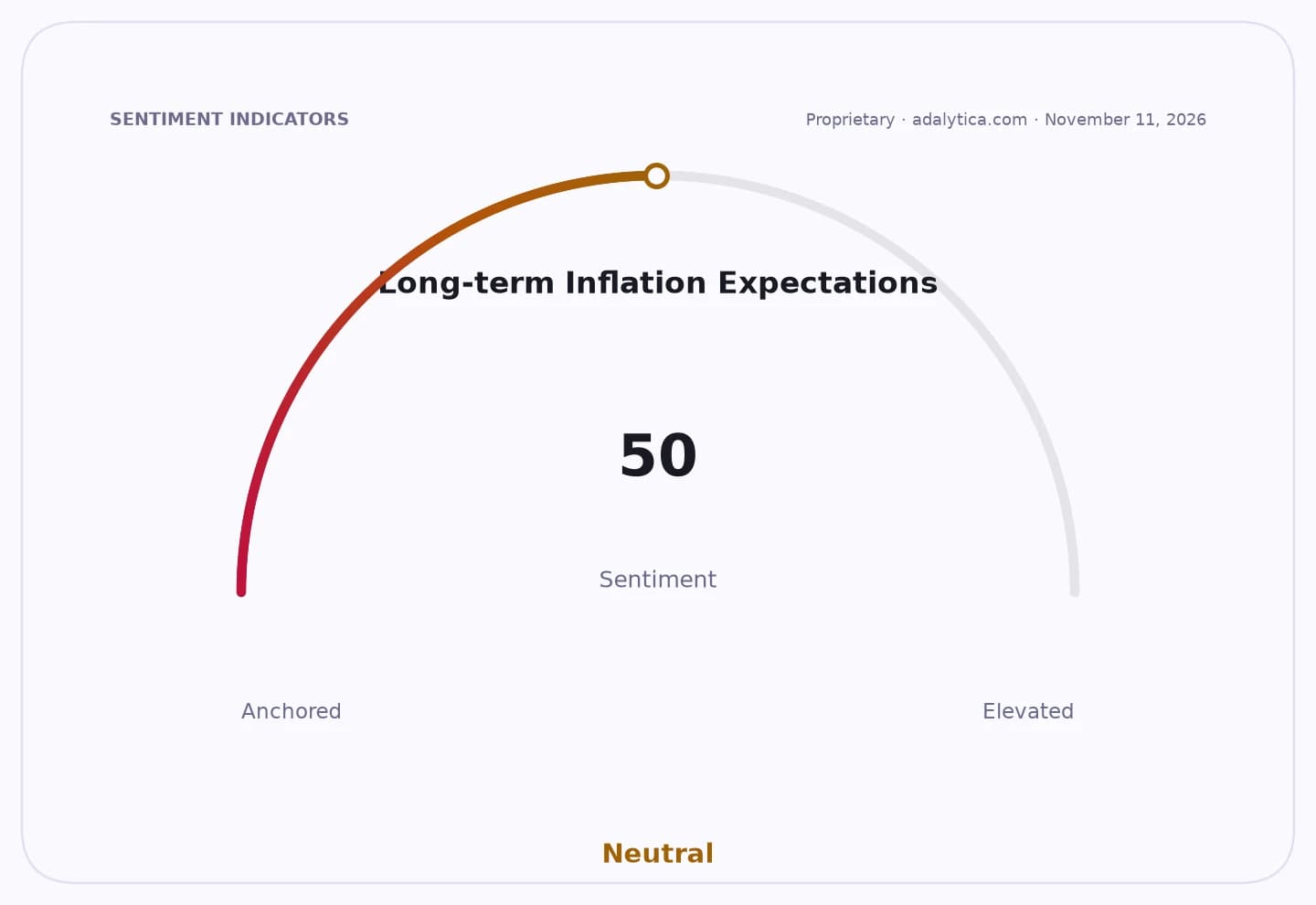
Sentiment Indicators
Financial dollars are moving higher too. The MEP rose to 1,606.38 pesos and the cash-with-liquidation rate advanced to 1,711.37 pesos, while the informal blue dollar traded at 1,610 pesos, also a historical high. That spread points to persistent demand for hedges in a market where confidence in peso assets remains fragile.
The move matters economically because it raises the local-currency cost of imports, pressures prices and complicates the fight against inflation at a time when wholesale price increases are already running hot. Traders said the latest move reflects a “repositioning” in line with the broader exchange-rate trend and growing demand for coverage amid international instability, higher volatility and reduced exposure to emerging markets.
For investors, the weaker peso keeps Argentine assets under a cloud even as local markets show pockets of resilience. The country risk premium slipped 5 basis points to 849, but it remains well above levels seen earlier in the year after climbing 47.3% since January. Argentine ADRs were mostly lower on Wall Street, with Cresud, Telecom and Banco Supervielle among the weakest, while the Merval also eased in dollar terms.
The backdrop is global as well as local. Market participants are watching Nvidia-related optimism alongside caution ahead of Federal Reserve minutes, while a stronger dollar theme continues to dominate emerging markets. In Argentina, that leaves the peso vulnerable until inflation, policy credibility and external demand for local assets improve.
| Entity | Gains | Losses |
|---|---|---|
| Dollar buyers | ▲Protection from peso weakness | ▼Higher cost of hedging |
| Argentine importers | ▲None | ▼Higher peso cost for goods |
| Exporters with dollar revenue | ▲Better local-currency receipts | ▼Pressure from weaker domestic demand |
| Argentine peso assets | ▲Short-term support from liquidity | ▼Confidence, valuations and inflows |