Argentina’s peso market opened Thursday with the official dollar at 1,535 pesos for sale at Banco Nación, underscoring how little room the currency has to absorb further pressure without feeding inflation, import costs and expectations of more central-bank intervention.
Argentina peso opens at 1,535 per dollar
The gap across exchange rates remains wide enough to keep investors focused on policy credibility rather than daily quotes. The official rate opened at 1,535 pesos, while the blue dollar was quoted at 1,540, the MEP at 1,534.30 and the contado con liquidación at 1,588.97. The wholesale rate stood at 1,511, a spread that reflects persistent demand for hedges and lingering restrictions in the domestic currency market.
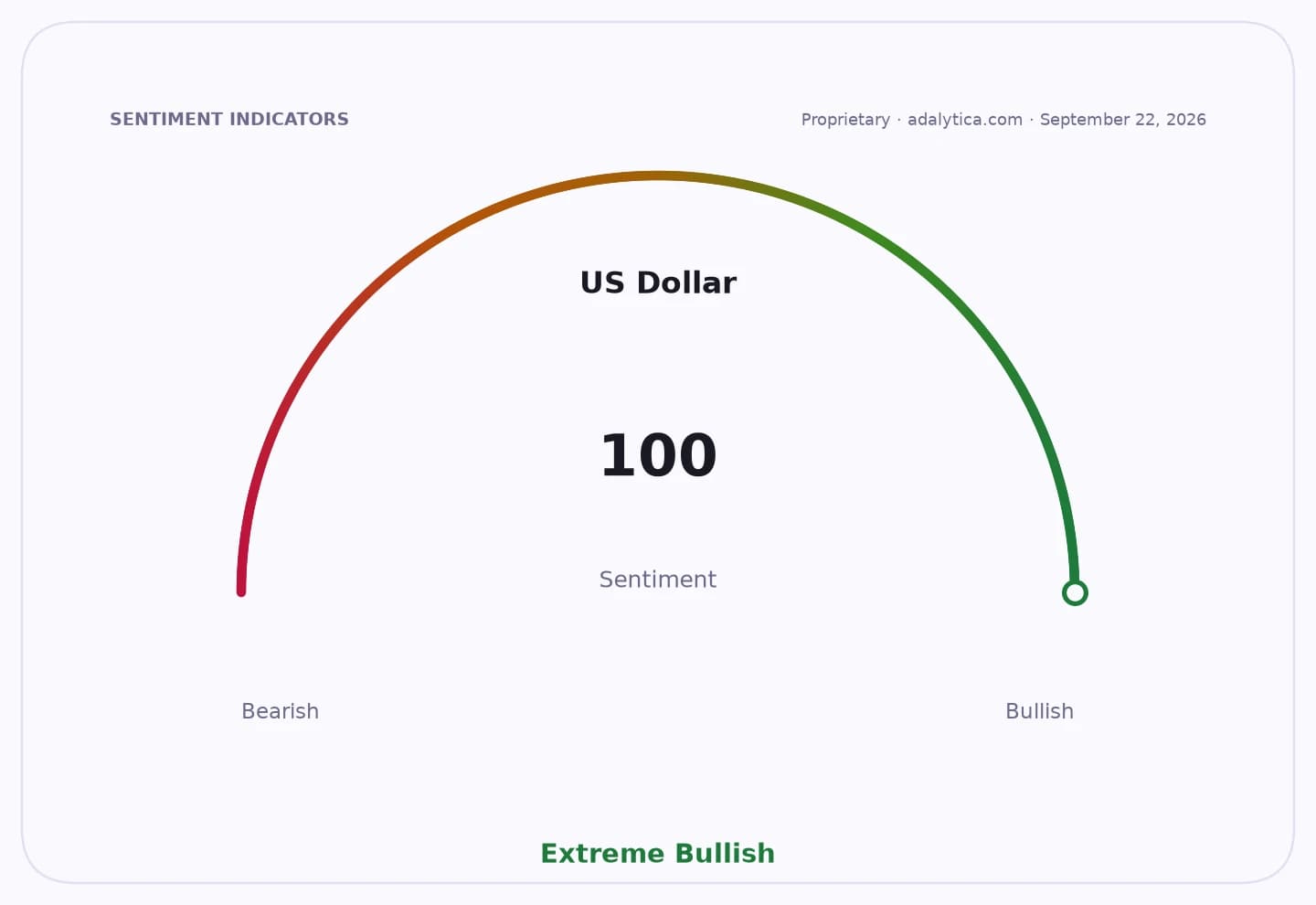
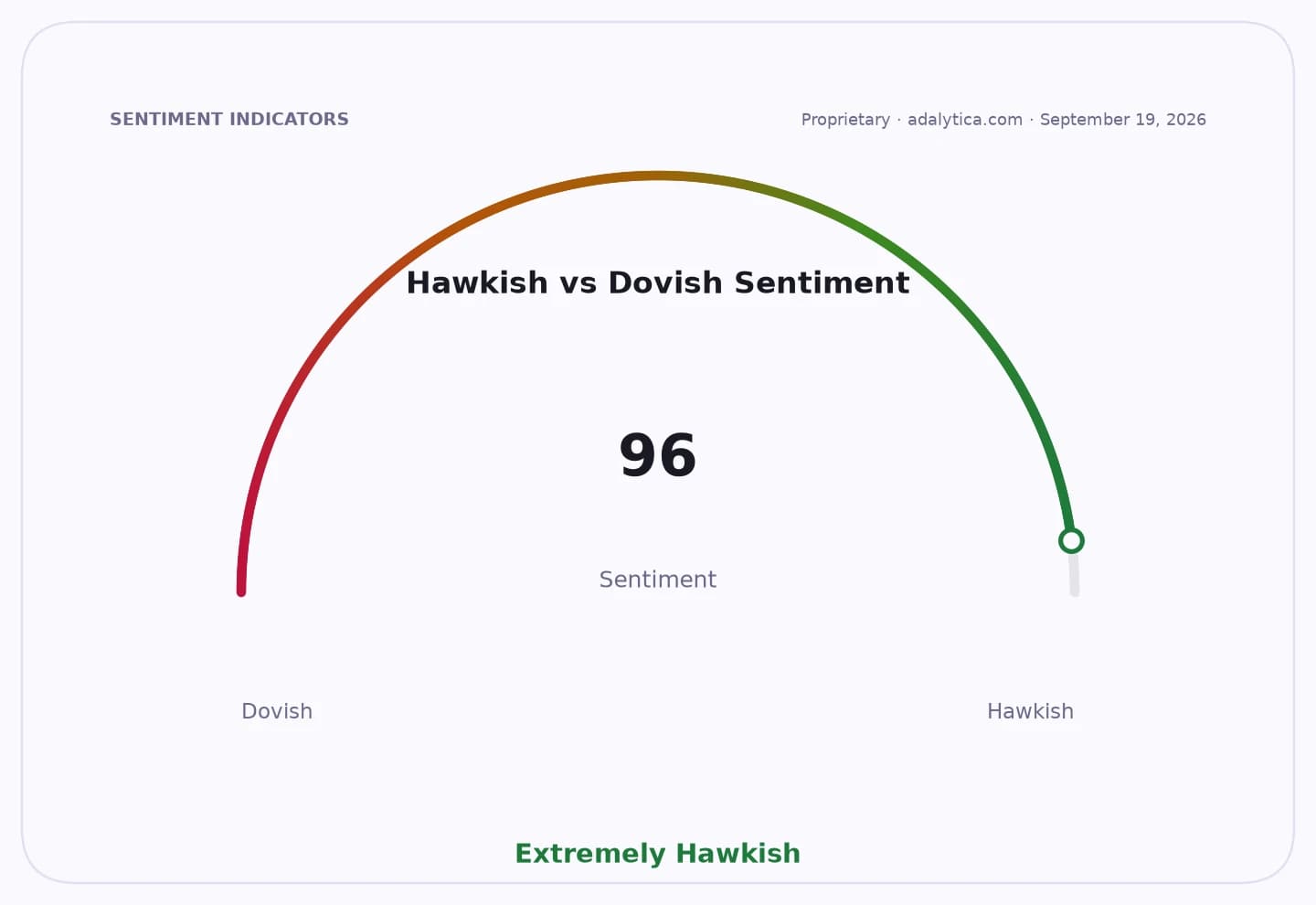
Sentiment IndicatorsⓘProprietary · adalytica.com · September 3, 2026
This is a snapshot — live sentiment, awareness and momentum for 130+ markets update continuously in the dashboard.Open AlphaPulse
For the economy, the level matters because Argentina’s pricing system still transmits the exchange rate quickly into transport, fuel, imported inputs and durable goods. A firm dollar tends to widen inflation pressures just as households and companies are trying to preserve purchasing power and working capital. It also complicates the government’s effort to stabilize expectations while keeping the financial system supplied with pesos.
For investors, the bigger issue is not one quote but the structure of the market. When the official rate, parallel market and financial dollar trade close together at elevated levels, it suggests confidence in the peso remains thin and that any move in policy or reserves can trigger a fast repricing. That is particularly relevant for local bonds, bank equities and exporters, which gain from a weaker currency, while importers and peso earners face margin pressure.
Broader dollar strength globally is also part of the backdrop. The U.S. dollar index was lower on the day but remained near 98.9, while the dollar ETF UUP traded just under its 50-day moving average after a recent pullback. That points to some short-term softness in the greenback internationally, even as the peso continues to trade under domestic stress.
The narrative connecting Thursday’s moves is straightforward: Argentina’s currency remains trapped between policy controls and market demand for dollars. Unless reserves improve, inflation slows more convincingly or confidence in the peso rises, the spread between official and parallel rates is likely to stay a key barometer for risk in Argentine assets.
| Entity | Gains | Losses |
|---|---|---|
| Dollar holders | ▲Preserve value | ▼Peso savers |
| Exporters | ▲Higher local revenue | ▼Importers |
| Central bank / authorities | ▲More control via official rate | ▼Credibility if spreads widen |
| Argentine consumers | ▲None | ▼Purchasing power |