Javier Milei has turned Sea Lion, a planned oil development near the Falkland Islands, into a geopolitical warning shot — and that matters because the project sits at the intersection of sovereignty, energy investment and the cost of doing business in Argentina.
Argentina threatens sanctions on Sea Lion project

For investors, the immediate issue is not whether Argentina can stop the project outright. It is whether Milei’s threat to expand sanctions against companies, their directors, suppliers and even shareholders raises the price of capital for any foreign energy group that wants access to Argentina’s oil patch, especially Vaca Muerta. That is where the long-term money is likely to be made, and that is why the government’s attempt to punish one offshore project could have spillover effects well beyond Sea Lion itself.
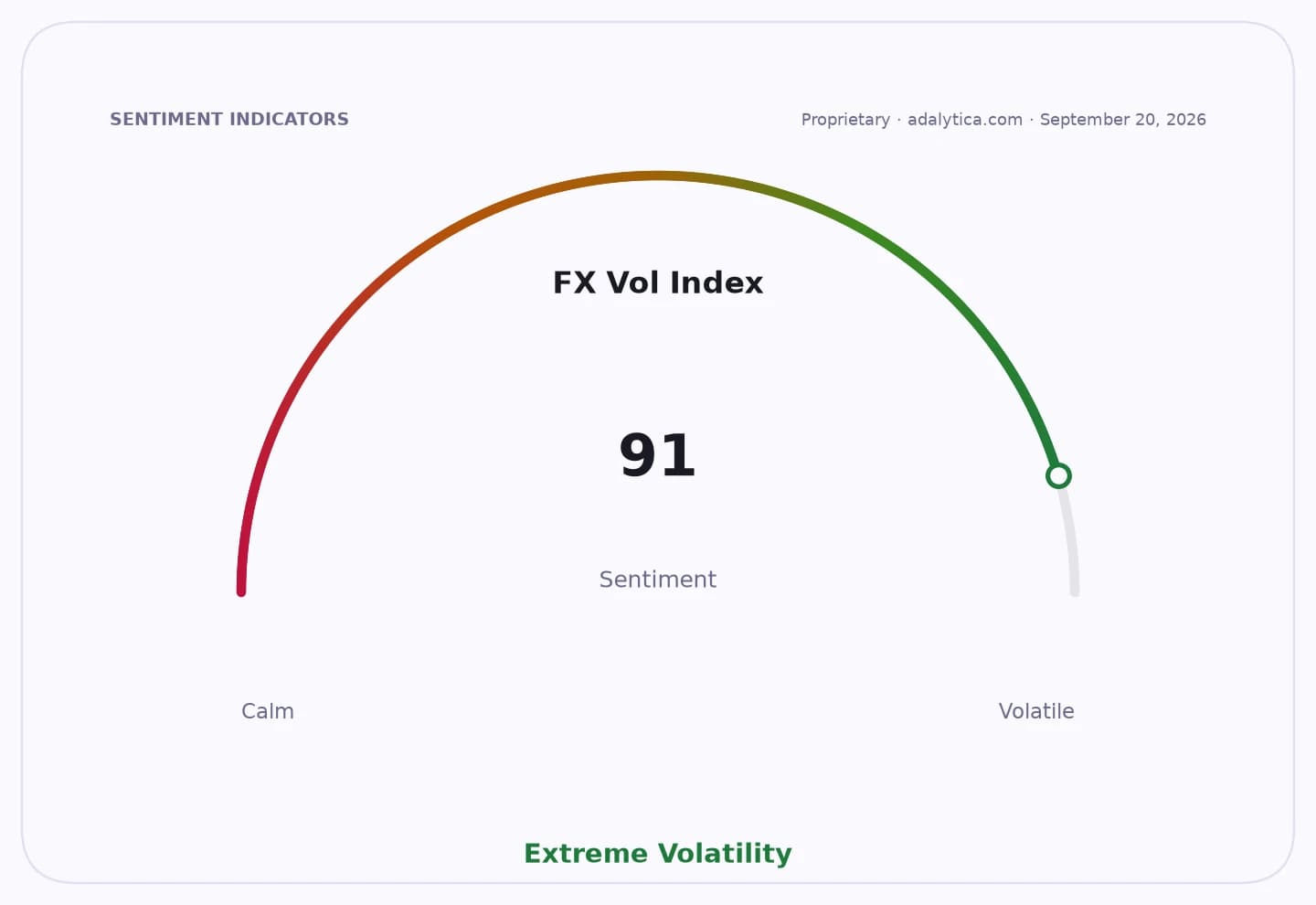
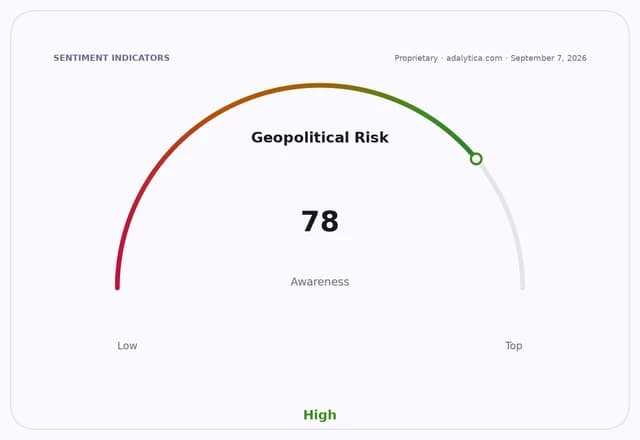
Sentiment IndicatorsⓘProprietary · adalytica.com · September 7, 2026
This is a snapshot — live sentiment, awareness and momentum for 130+ markets update continuously in the dashboard.Open AlphaPulse
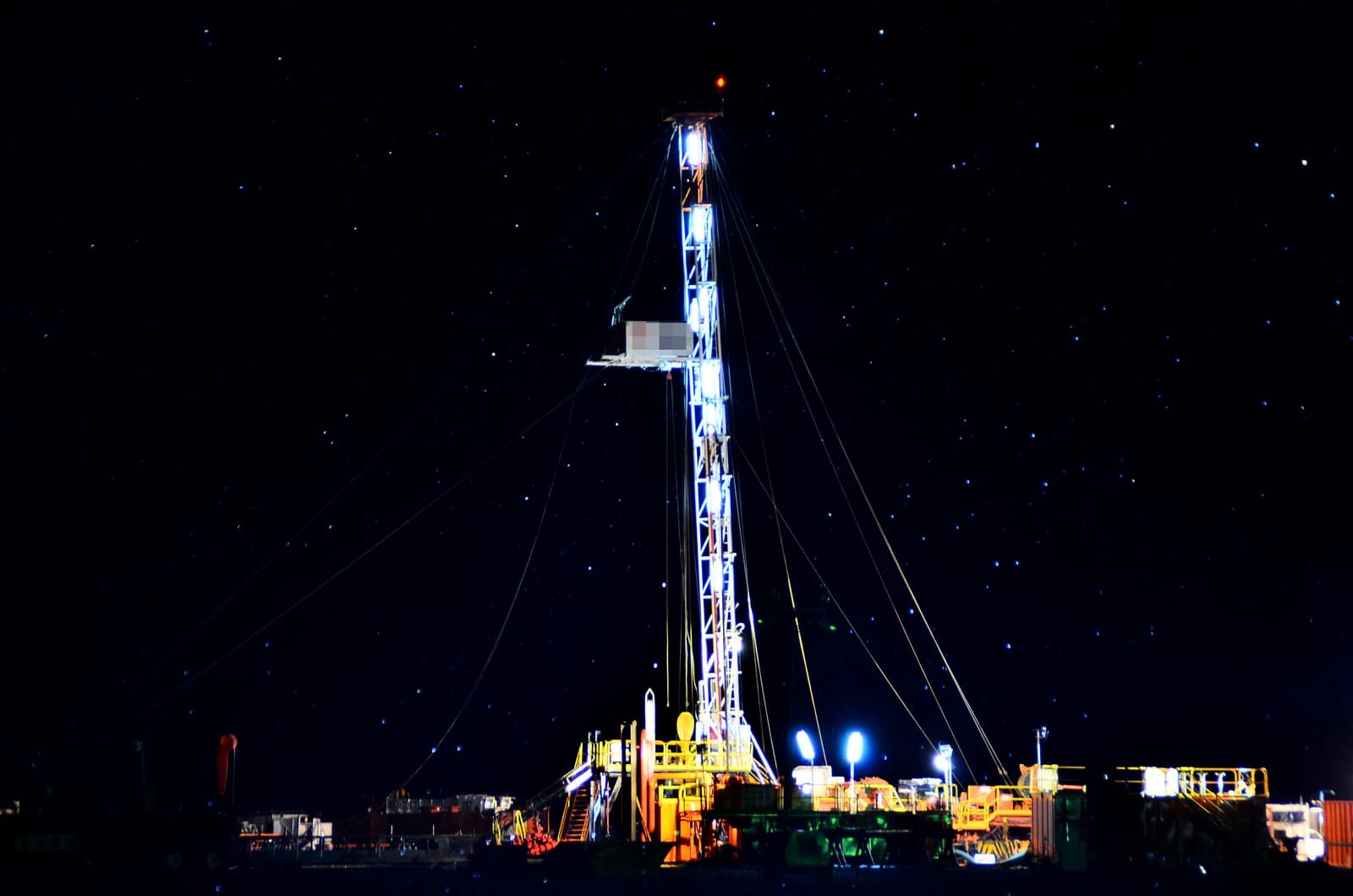
Sea Lion is a British-Israeli venture led by Navitas Petroleum and Rockhopper Exploration. The companies say the field could hold about 1.7 billion barrels of oil, with first production expected in March 2028 after a final investment decision was taken for the first phase. Reuters has reported projected capital spending of about $2.2 billion. In other words, this is not a symbolic well. It is a major, multi-year development that could shape South Atlantic energy economics for decades.
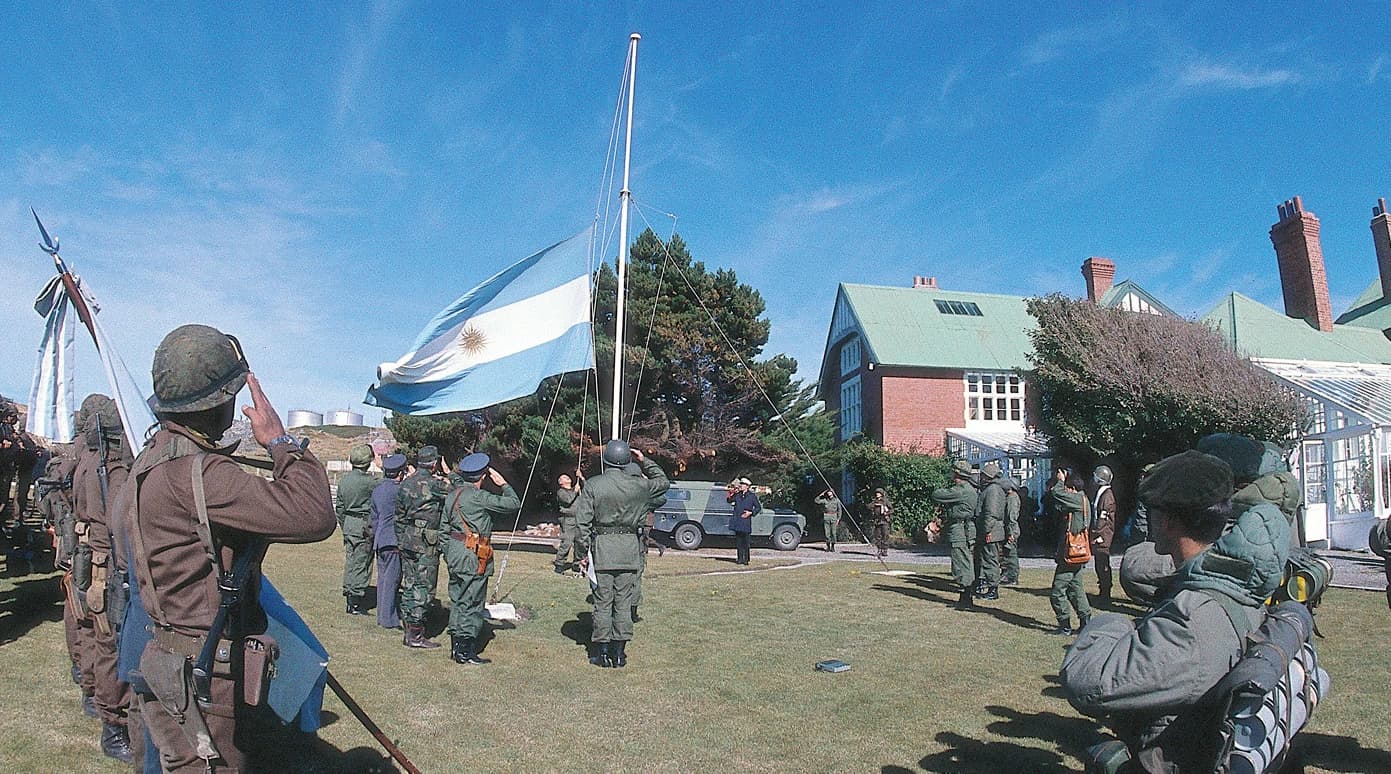
That scale helps explain why Argentina is taking aim now. Milei framed the project as a “clear and urgent danger,” saying the country could not stand by while companies extract crude from what Buenos Aires considers its continental shelf. The move revives a sovereignty dispute that has lingered since the 1982 war with Britain, but it also serves a domestic purpose: nationalism can be a useful tool for a president facing weak approval and a difficult political backdrop ahead of the 2027 race.

The problem for investors is that geopolitical risk does not stay neatly contained. If Argentina follows through on wider sanctions, the chilling effect could reach international energy firms that have operations or ambitions in the country. That is especially relevant in a market where capital allocation matters. A company may decide Sea Lion’s geology and economics are attractive, but if the project also risks exclusion from Argentine opportunities, the hurdle rate rises quickly.
That helps explain the market reaction. Shares of Navitas and Rockhopper fell after Milei’s announcement, even though the companies pushed back and said their licenses are valid and the project timetable should not change materially. BP, which is not directly tied to Sea Lion, showed how investors are still rewarding large oil names with stronger balance sheets and global scale, even as smaller frontier projects face more political uncertainty. In frontier energy, financing can be as important as reserves.
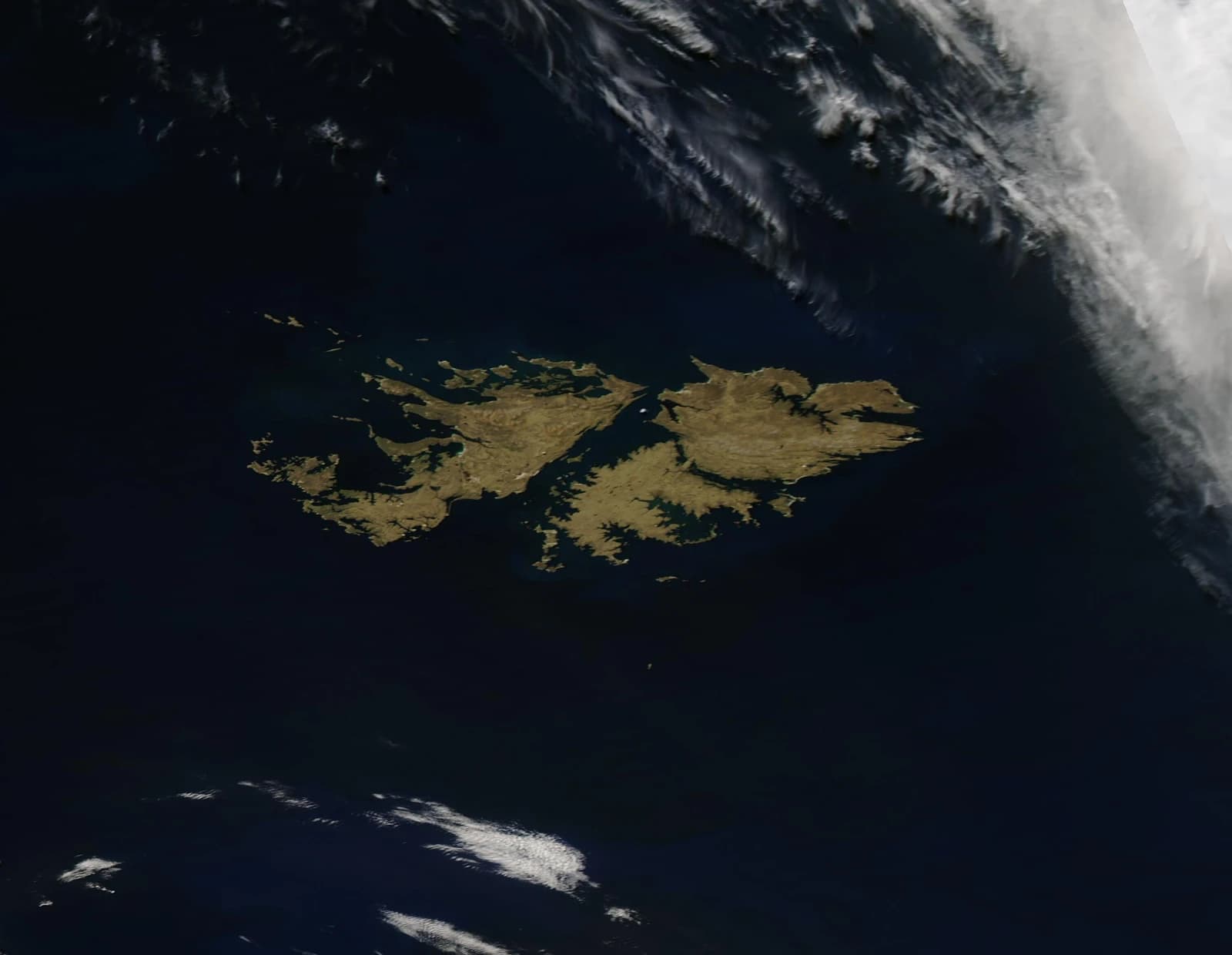
There is also a broader lesson here about where energy development and national politics collide. The Falklands are remote, but the economics are not. Sea Lion sits about 220 kilometers north of the islands, has already drawn environmental scrutiny, and could require decades of production to realize its full value. That means every permit, supplier relationship and shipping decision becomes part of the risk profile. If the dispute escalates, insurance, logistics and partner selection become more expensive long before the first barrel flows.
For long-term investors, the key question is not whether this is the final word on Sea Lion. It is whether the episode signals a more persistent premium on geopolitically sensitive projects. Navitas and Rockhopper may still build the field if they can keep funding and approvals intact. But if Milei’s broader message sticks — that companies must choose between disputed waters and Argentina — then the winners are likely to be firms with lower political exposure, stronger balance sheets and more diversified reserves.
That is why this story matters beyond the South Atlantic. It is a reminder that oil is never just oil when sovereignty is in play. Investors considering energy names with international footprints should watch whether Argentina’s sanctions widen, whether Britain hardens its response, and whether lenders and partners begin to demand a bigger risk premium. For patient investors, the best takeaway is simple: Sea Lion is worth watching, but the bigger story may be how much geopolitical friction the global energy industry is willing to price in.
| Entity | Gains | Losses |
|---|---|---|
| Argentina | ▲Nationalist support | ▼Investor confidence |
| Navitas Petroleum and Rockhopper | ▲Potential reserve value | ▼Financing and political risk |
| UK-backed Falklands development | ▲Near-term momentum | ▼Higher sanction exposure |
| Foreign energy investors in Argentina | ▲Policy clarity if dispute eases | ▼Access to Vaca Muerta and wider sanctions risk |