Argentina’s bizarre investigation into a suspected $1.2 billion hoard of gold has taken a humiliating turn: the “ingots” pulled from a toilet in Santa Cruz province were not precious metal at all, but a common medical alloy used in radiotherapy.
Argentina toilet bars were cerrobend, not gold
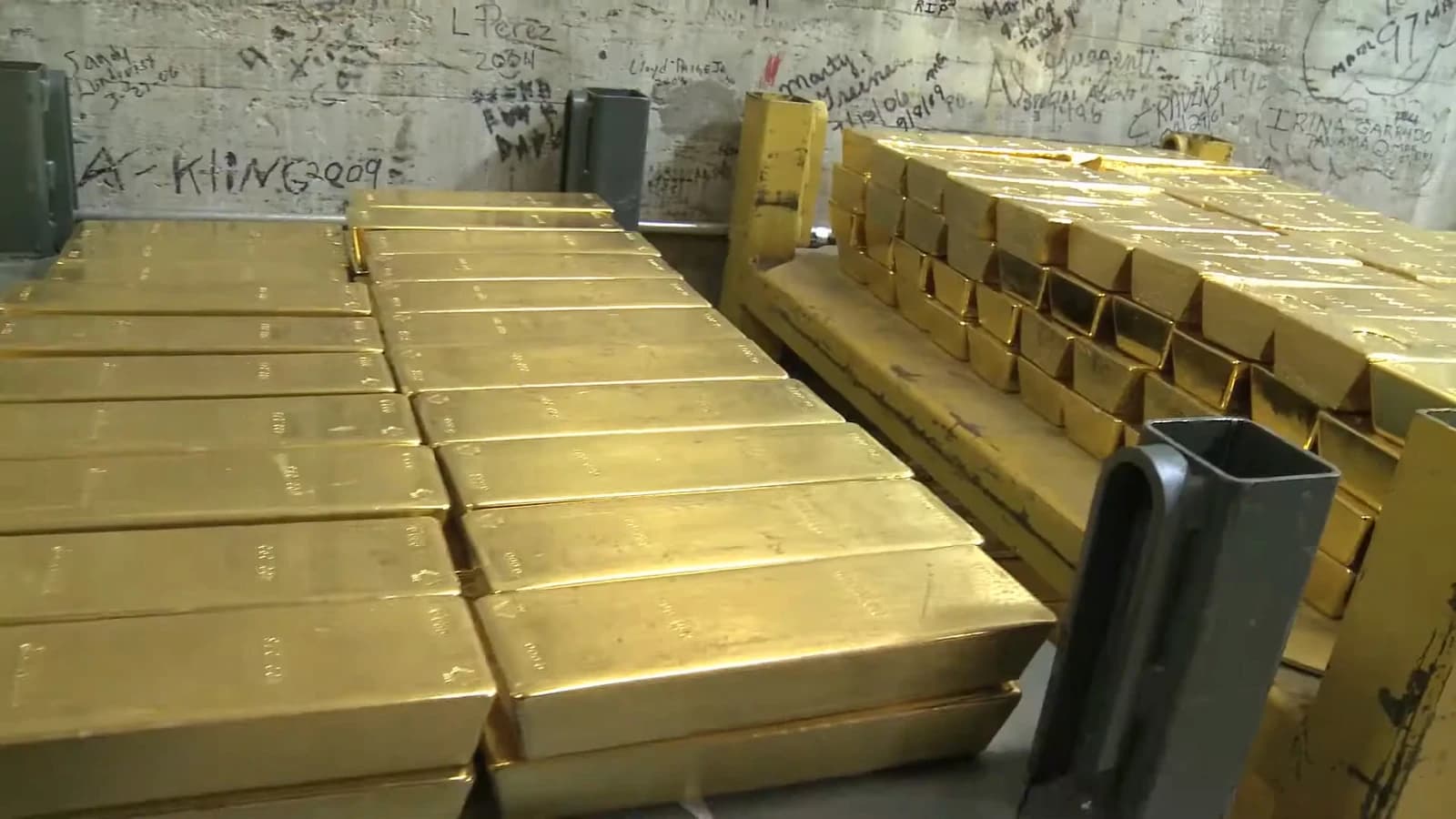
That matters because the false alarm had briefly pushed the case toward a narrative of illicit mining, hidden wealth and possible links to organized crime around a murder investigation that already carries political and policing implications. Once the material was identified as cerrobend — an alloy of bismuth, lead, tin and cadmium — the value theory collapsed, removing a potentially major financial trail from a case now centered again on a violent killing and allegations of police complicity.
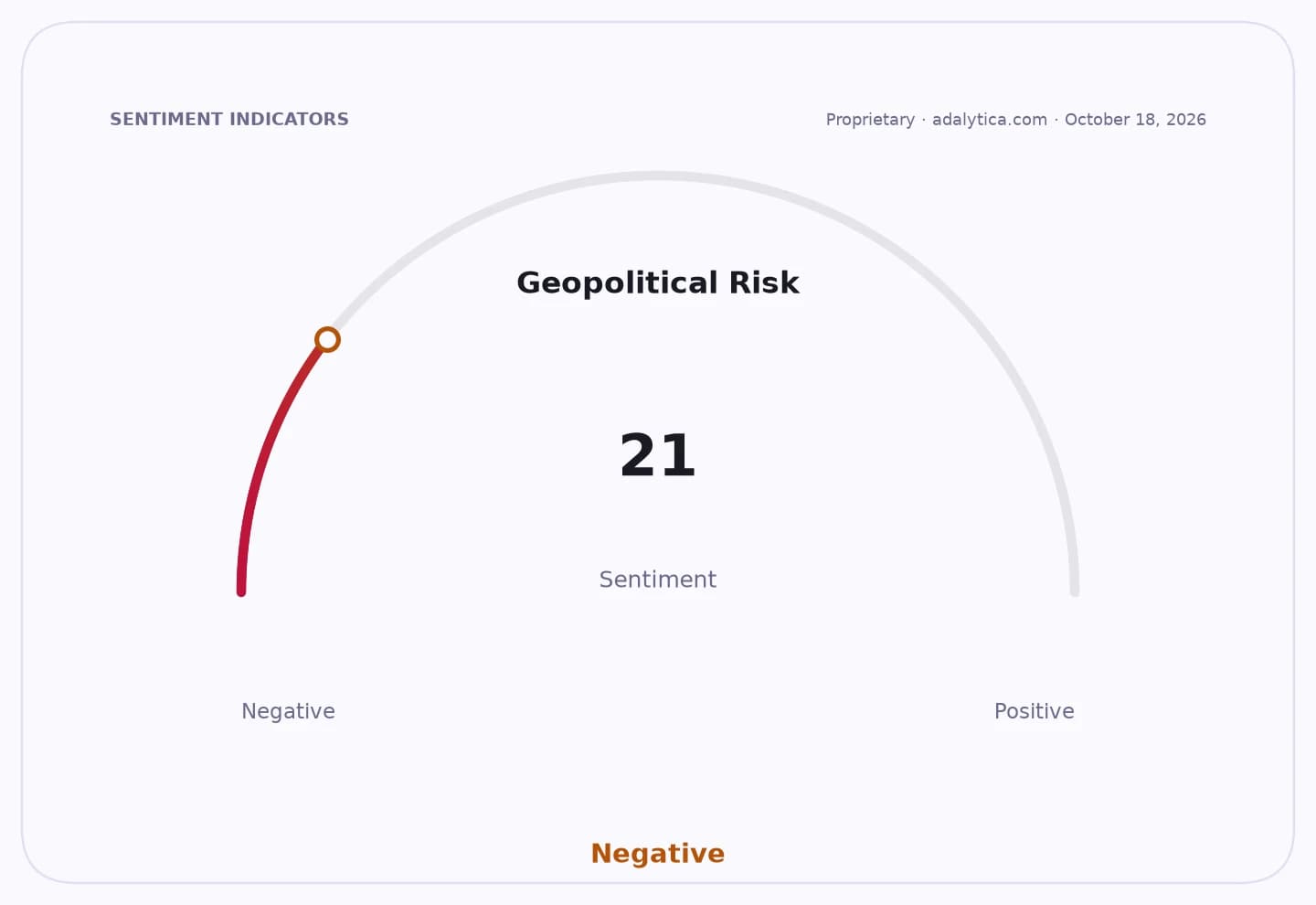
Sentiment IndicatorsⓘProprietary · adalytica.com · October 21, 2026
This is a snapshot — live sentiment, awareness and momentum for 130+ markets update continuously in the dashboard.Open AlphaPulse
Authorities had initially reported seizing four bars from a home tied to the final movements of Mario “Pato” García, a 50-year-old resident who was killed and dismembered after publicly accusing local police of enabling “liberated zones” and narcotics activity. The discovery of the bars in a toilet fuelled speculation that the victim may have been entangled in a clandestine cache linked to mining theft or another shadow economy, a possibility that would have widened the probe far beyond a local homicide.
Peritaje later showed the material was cerrobend, which is widely used in radiotherapy shielding and has no gold value. The recalculation is stark: what had been framed as an ingot haul worth about 1.2 billion pesos was instead ordinary industrial material, stripping the investigation of one of its most sensational economic angles.
For investors, the story is less about a direct market impact than about how quickly a false asset narrative can take hold around physical commodities and shadow supply chains. In resource-rich regions, allegations of stolen metal, illicit extraction or hidden stores can distort local perceptions of value, obscure criminal motives and trigger speculation about mining-linked money flows. Once the supposed bullion disappears from the story, the remaining risks are institutional: policing failures, governance lapses and the possibility that violent crime is being investigated without adequate trust in authorities.
The case also underscores a broader point for commodity markets and security-sensitive jurisdictions: not every metal-like object is a reserve asset, and not every cache reflects real wealth. The immediate question now is not where the gold went, but whether the homicide probe can establish why García was killed and whether his accusations against police pointed to deeper corruption. If prosecutors can connect that thread, the affair could become less a tale of fake bullion than a test of state credibility in a province where criminal violence and political accountability are already intertwined.
| Entity | Gains | Losses |
|---|---|---|
| Prosecutors | ▲Clearer homicide focus | ▼Lost financial-motive lead |
| Police authorities | ▲Less bullion speculation | ▼More scrutiny over alleged complicity |
| Criminal suspects | ▲Narrower asset-trace narrative | ▼Greater focus on murder evidence |
| Local residents/investors | ▲Fewer resource-theft rumors | ▼Continued governance uncertainty |