Armenia’s central bank says a sudden jump in gas prices could force it to reassess where interest rates need to settle to keep inflation under control, putting energy costs at the center of its policy outlook.
Armenia Central Bank Warns Gas Price Rise May Lift Rates
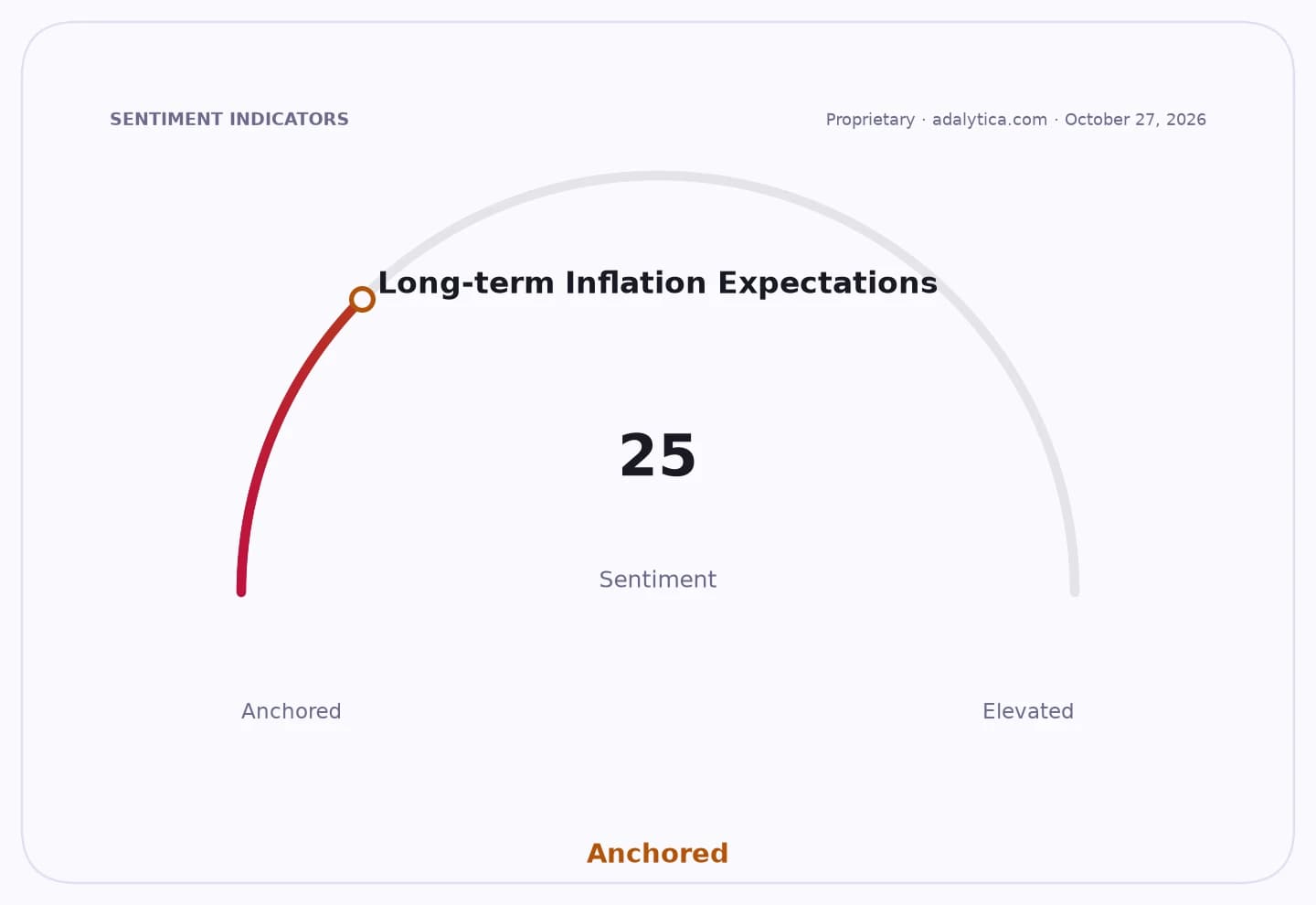
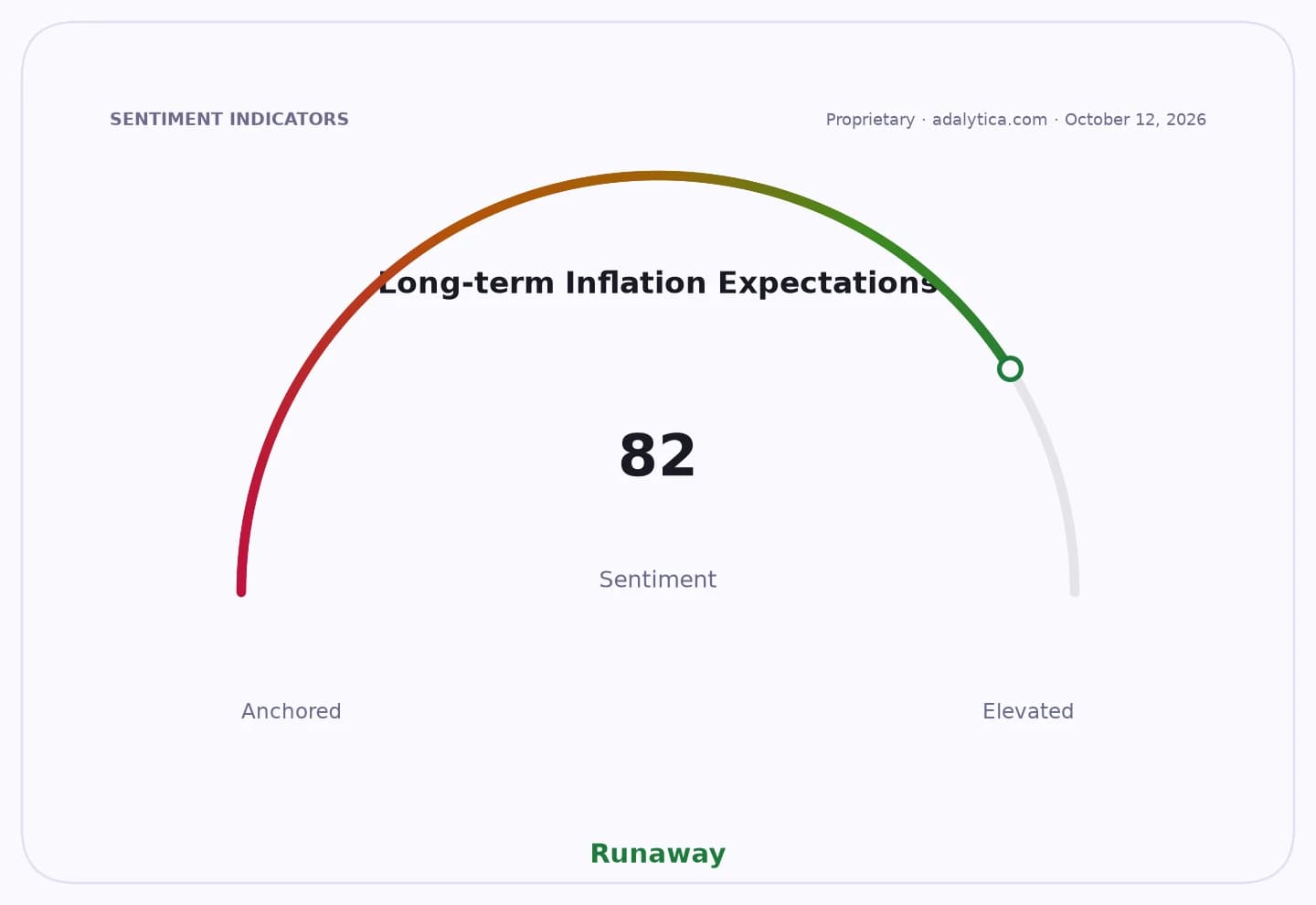
Long-term Inflation Expectations
Central bank chief Martin Galstyan told lawmakers the bank already has calculations for a possible gas price increase, but it cannot act pre-emptively before such a move becomes reality. If higher gas tariffs feed through to prices, he said, that would help determine “the interest rate that will not allow inflation above the target.”
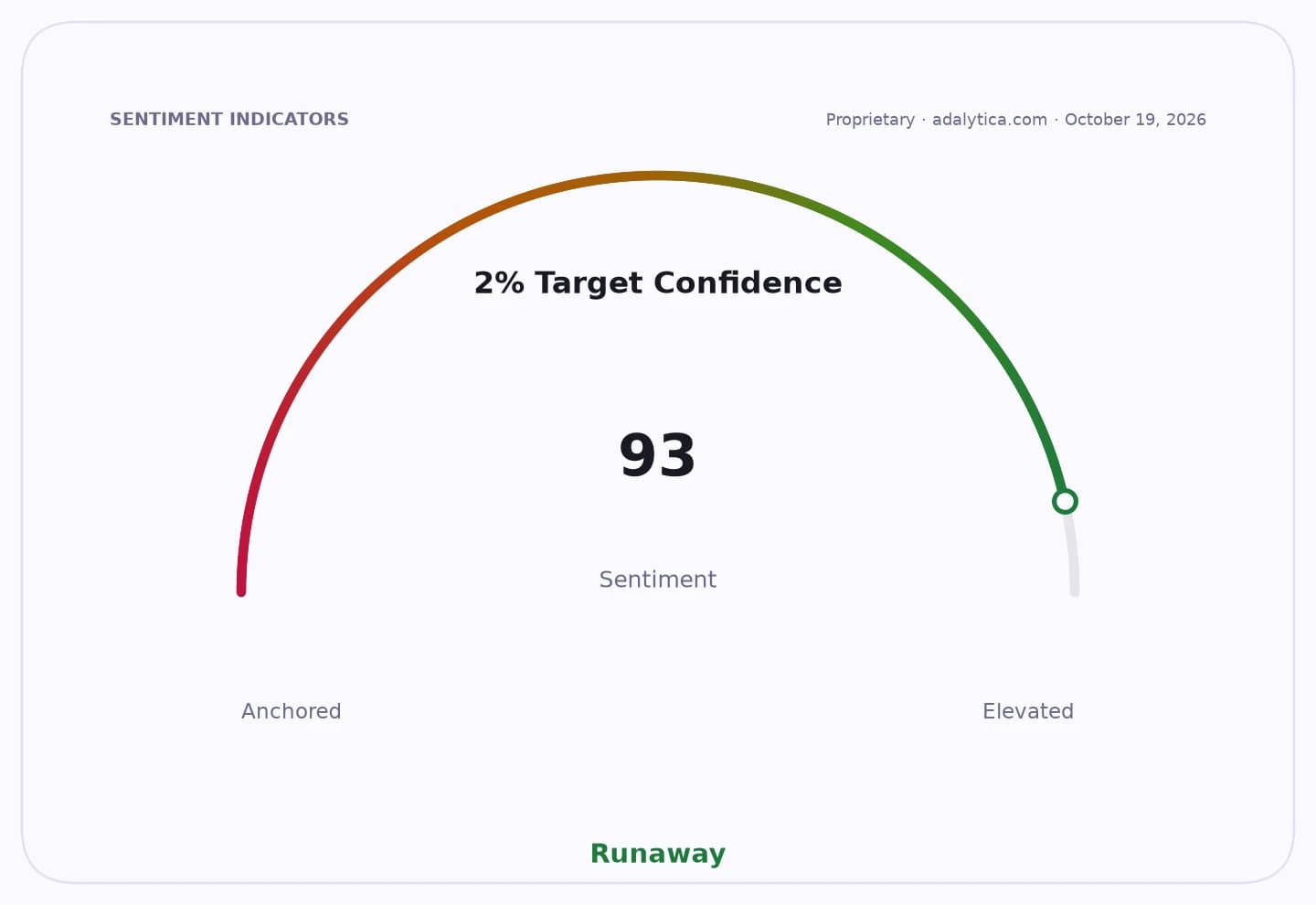
Sentiment Indicators
The message matters because Armenia is still vulnerable to imported inflation, especially through energy and transport costs. Gas is a key input for households and businesses, so a price shock would quickly spill into food, services and broader operating costs, narrowing the room for the bank to ease policy even if growth weakens.
For investors and lenders, the warning points to a more cautious rate path and a higher-for-longer stance if energy costs accelerate. That would matter for bank lending, consumer demand and companies exposed to local operating expenses, while reducing the odds of near-term monetary support for the economy.
Galstyan also pushed back on concerns that money flowing into Armenia could abruptly stop and destabilize the banking system, saying the central bank’s guidance to lenders is aimed at preserving liquidity rather than transforming uncertain inflows into loans. His comments suggest policymakers are focused on preventing a sudden funding squeeze as well as containing inflation.
The broader backdrop is a volatile energy market, with oil prices still prone to geopolitical shocks and transport-cost swings. For Armenia, the next key test is whether gas prices actually rise — and if they do, how quickly that feeds into consumer prices and forces the central bank to recalibrate rates.
| Entity | Gains | Losses |
|---|---|---|
| Armenia’s central bank | ▲More room to justify tighter policy | ▼Pressure to keep rates elevated |
| Banks | ▲Guidance to hold liquidity buffers | ▼Less scope for aggressive lending |
| Borrowers/consumers | ▲— | ▼Higher rates and fuel-linked inflation |
| Energy sellers/importers | ▲Potential pass-through revenue | ▼Consumers facing higher bills |