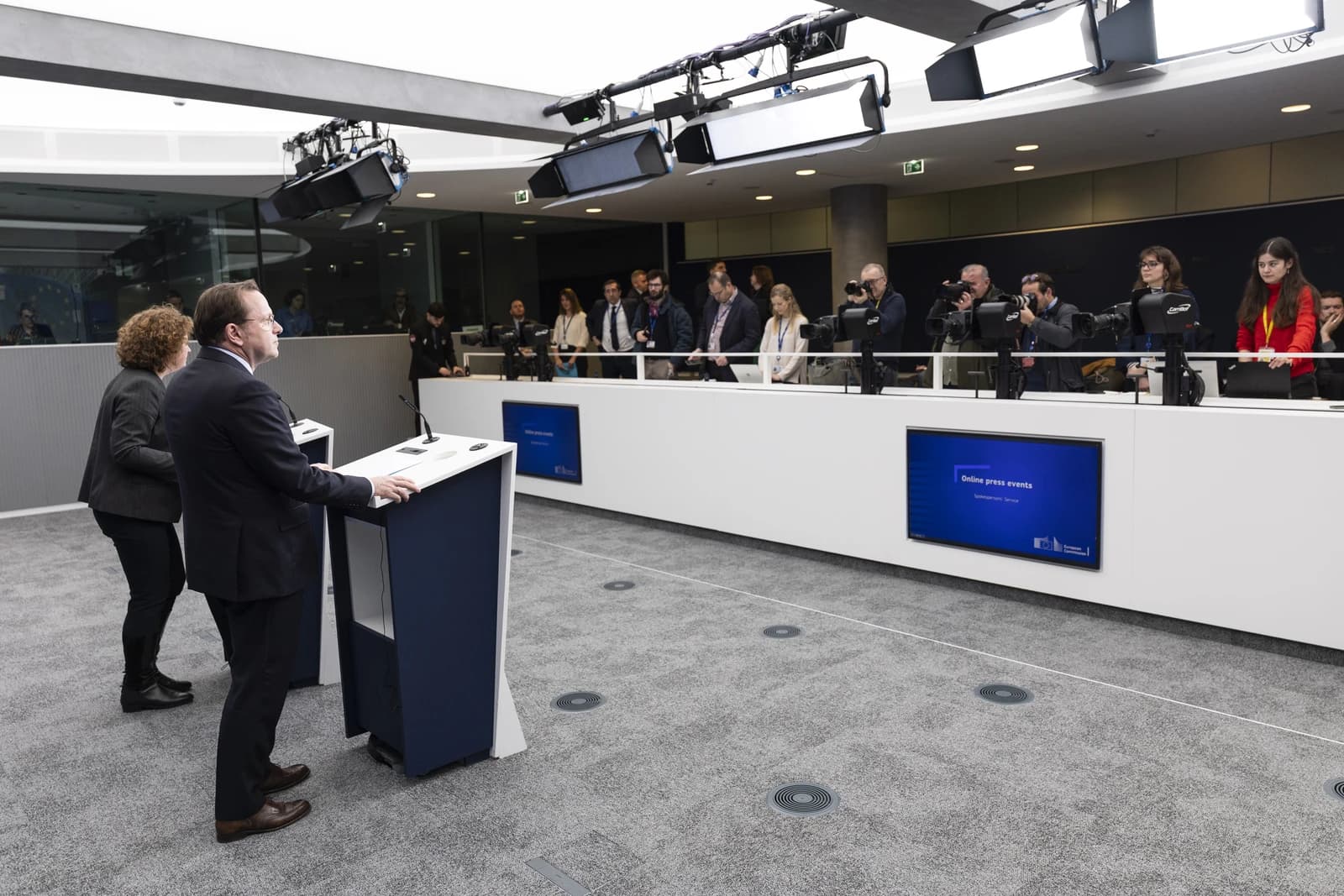
Armenian and Turkish businessmen met in Yerevan this week, underscoring how commerce is advancing even while the border remains shut and formal normalization between the two neighbors remains incomplete.
Armenian and Turkish businessmen meet in Yerevan
The significance is economic as much as political: with the land border still closed, any channel that keeps dialogue active can eventually lower transport costs, widen market access and support investment in a region where trade routes are heavily shaped by geopolitics. For Armenia, which remains dependent on a narrow set of external corridors, even incremental progress toward Turkish market access would matter for exporters, logistics firms and consumers. For Turkish companies, a thaw could eventually open a smaller but strategically positioned market and improve access to the South Caucasus.
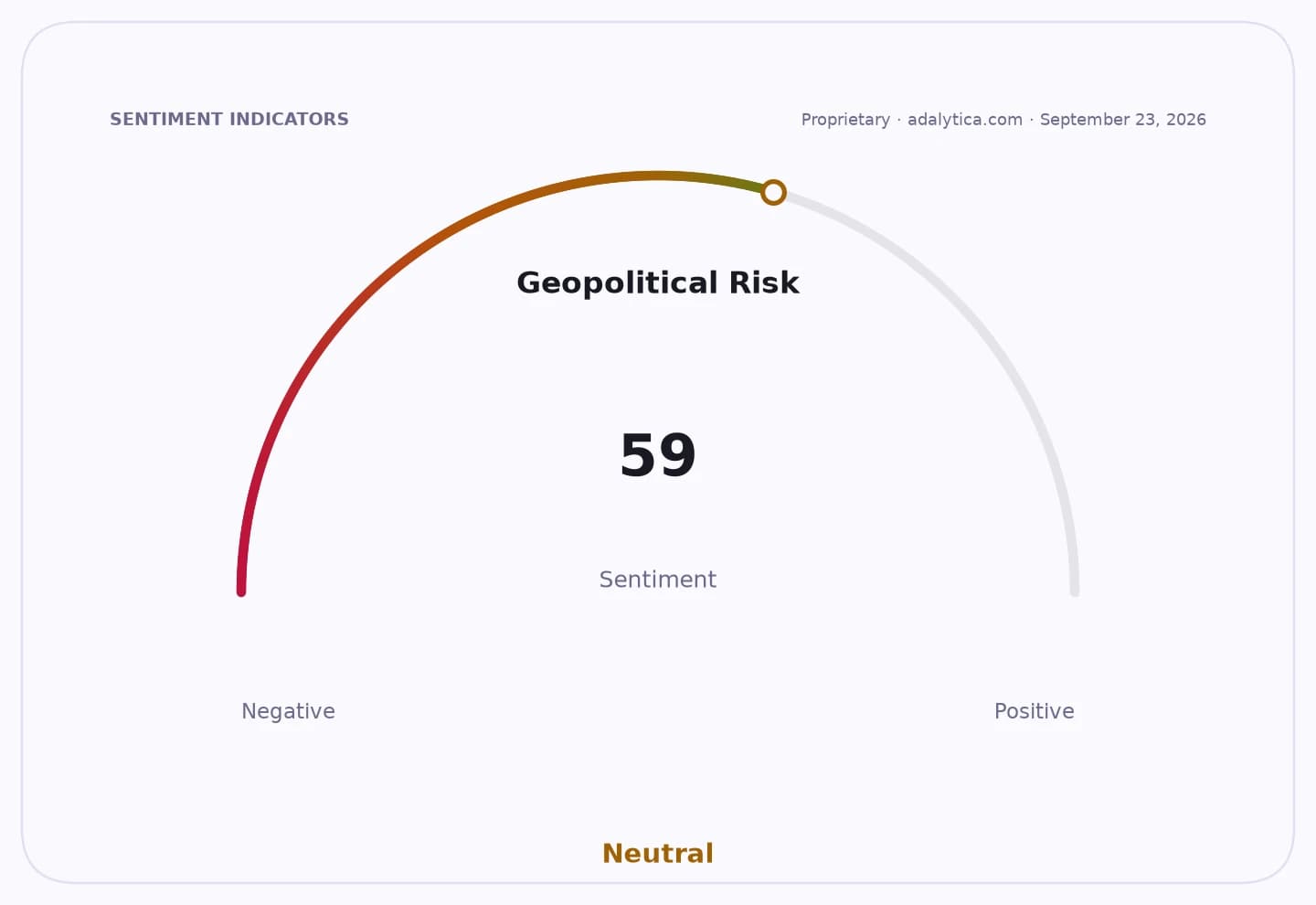
Sentiment IndicatorsⓘProprietary · adalytica.com · September 4, 2026
This is a snapshot — live sentiment, awareness and momentum for 130+ markets update continuously in the dashboard.Open AlphaPulse
The talks in Yerevan fit a broader pattern of cautious engagement. Brussels has backed normalization efforts, while Ankara has continued to support regional peace initiatives, including efforts tied to Armenia and Azerbaijan. That matters because business contact often moves faster than diplomacy: chambers of commerce and private firms can test demand, identify regulatory barriers and build the commercial architecture needed if borders eventually reopen.
For investors, the story is less about an immediate trade surge than about optionality. A durable opening between Armenia and Turkey would be positive for Armenian transport, consumer and industrial names tied to imports and exports, and could also support cross-border services and infrastructure themes. The flip side is that the current status quo preserves bottlenecks, keeps freight expensive and limits the ability of local businesses to scale efficiently.
That is why the meeting matters now. In a region where politics has long dictated commerce, active business contacts are a leading indicator of whether normalization can move from statement to substance. The next test will be whether the discussions in Yerevan turn into practical steps on customs, logistics and market access, or remain another sign of intent without a route to execution.
| Entity | Gains | Losses |
|---|---|---|
| Armenian exporters | ▲Wider market access | ▼Closed-border constraints |
| Turkish companies | ▲New regional entry point | ▼Lost trade optionality |
| Logistics firms | ▲Potential route expansion | ▼High transport costs |
| Existing middlemen | ▲Status quo margins | ▼Competition from direct trade |