ARMOUR Residential REIT’s third-quarter update shows the company is still generating meaningful spread income, but the broader setup for mortgage REIT investors remains unforgiving as U.S. yields and funding costs stay elevated.
ARMOUR Residential REIT Reports Q3 Net Interest Income

The company reported net interest income of $83.7 million for the quarter, underscoring that the core earnings engine in agency mortgage REITs is still functioning even as the sector grapples with volatile financing conditions, prepayment risk and compressed book values. For investors, the number matters less as a standalone beat-or-miss than as a read on whether ARMOUR can keep earning through a rate environment that has become more difficult to hedge.
Sentiment Indicators
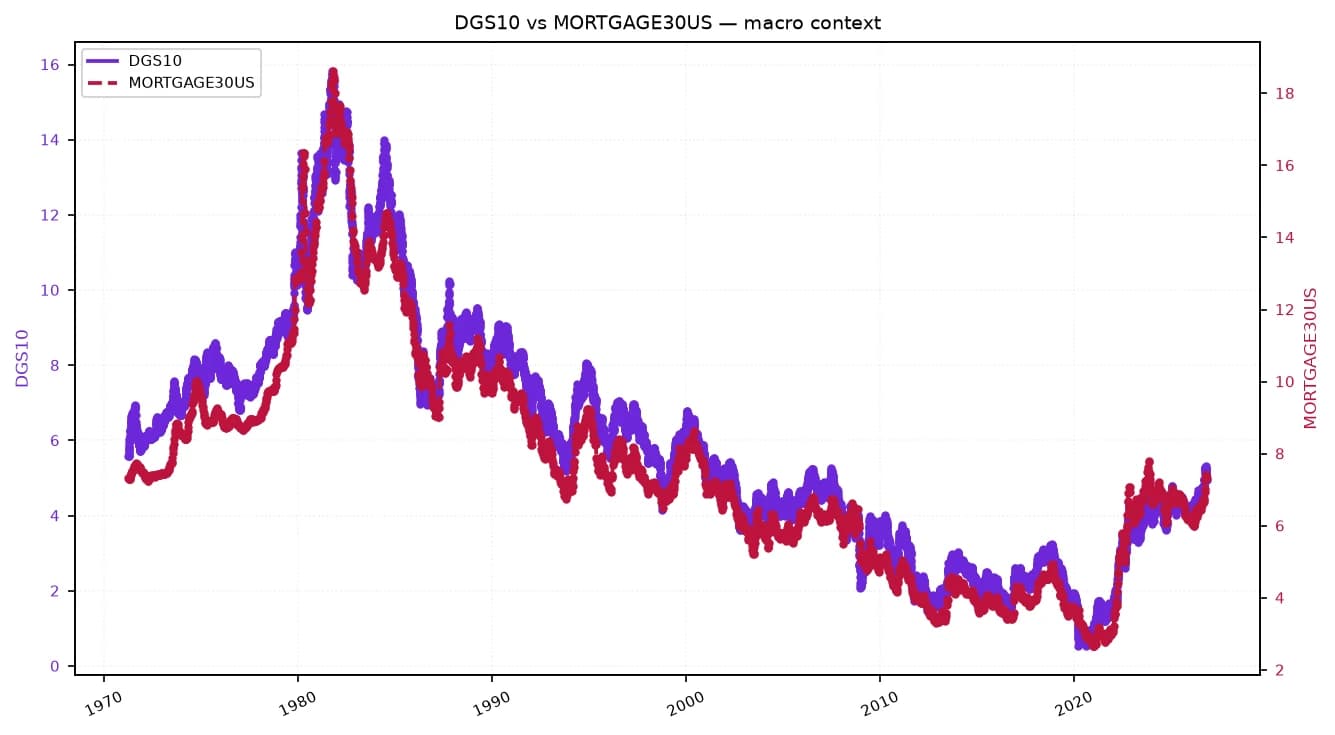
That backdrop is pivotal. The 10-year Treasury yield has hovered around 5%, after touching 5.13% on Oct. 21, while the federal funds rate is running at 3.75%, according to the latest data. High-yield credit spreads have also widened modestly, with the Bloomberg U.S. high-yield spread at 3.38 percentage points on Oct. 23. For mortgage REITs, that combination can be a double-edged sword: higher asset yields can help net interest income, but funding and hedging costs rise too, and mortgage securities remain sensitive to rate moves that can whipsaw book value.
That tension is visible in ARMOUR’s stock. Shares have fallen to about $12.69 from more than $16 in January, and the stock remains below both its 50-day moving average and its 200-day moving average, a sign that sentiment has deteriorated even after recent stabilization. The company’s preferred shares have also softened, with ARR-PC trading at $18.28, below earlier-year levels and still under pressure relative to par. By contrast, peers such as Annaly Capital Management have also been hit hard, with NLY dropping from above $22 in July to roughly $18.28, showing the pain is sector-wide rather than company-specific.
The market’s reaction also fits a broader story in rate-sensitive assets. Adalytica’s TLT bond signals show strong greed in Treasury bonds even as awareness remains in extreme fear, reflecting how quickly the market has shifted toward expecting policy easing or at least a slower growth path. That kind of move can support mortgage REIT valuations if long-end yields fall and funding costs ease. But it can also create fresh volatility if the rally in bonds reverses, since mortgage portfolios are exposed to both duration risk and convexity risk.
For ARMOUR, the key question is not whether it can produce income in a single quarter, but whether that income can cover dividends and preserve book value through a rate cycle that remains unusually unstable. Bullish investors will point to the fact that net interest income is still substantial and that higher starting yields on mortgage assets can support earnings if rates drift lower. Bears will argue that the model remains highly levered to spread compression, prepayment behavior and financing conditions, leaving equity holders exposed if the Treasury market remains choppy.
The next catalyst is likely to be whether a softer rate backdrop translates into lower repo costs and more stable mortgage spreads. Until then, ARMOUR’s results read less like a clean operating inflection and more like another reminder that mortgage REIT earnings may look resilient on the surface while the balance sheet remains vulnerable underneath.
| Entity | Gains | Losses |
|---|---|---|
| ARMOUR Residential REIT | ▲Net interest income support | ▼Book value volatility |
| Mortgage REIT investors | ▲Potential yield if spreads hold | ▼Equity drawdown risk |
| Treasury bond holders | ▲Higher total-return upside if yields fall | ▼Losses if yields back up |
| Preferred shareholders | ▲Income floor from capital structure | ▼Price pressure from sector stress |