Indian real estate investment trusts are being pitched as a low-ticket way to own a slice of commercial property, and that matters because the product sits at the intersection of yield-seeking retail money, tax-efficient income and a market looking for alternatives to fixed deposits.
Indian REITs Offer Low-Cost Property Income Access
With units of India’s six listed REITs trading in the roughly ₹100 to ₹500 range, the barrier to entry is far below direct property ownership. That opens the asset class to first-time investors, small savers and retirees who want exposure to rental income without the hassles of maintenance, tenant management, brokerage costs or illiquidity that come with buying a flat or shop.
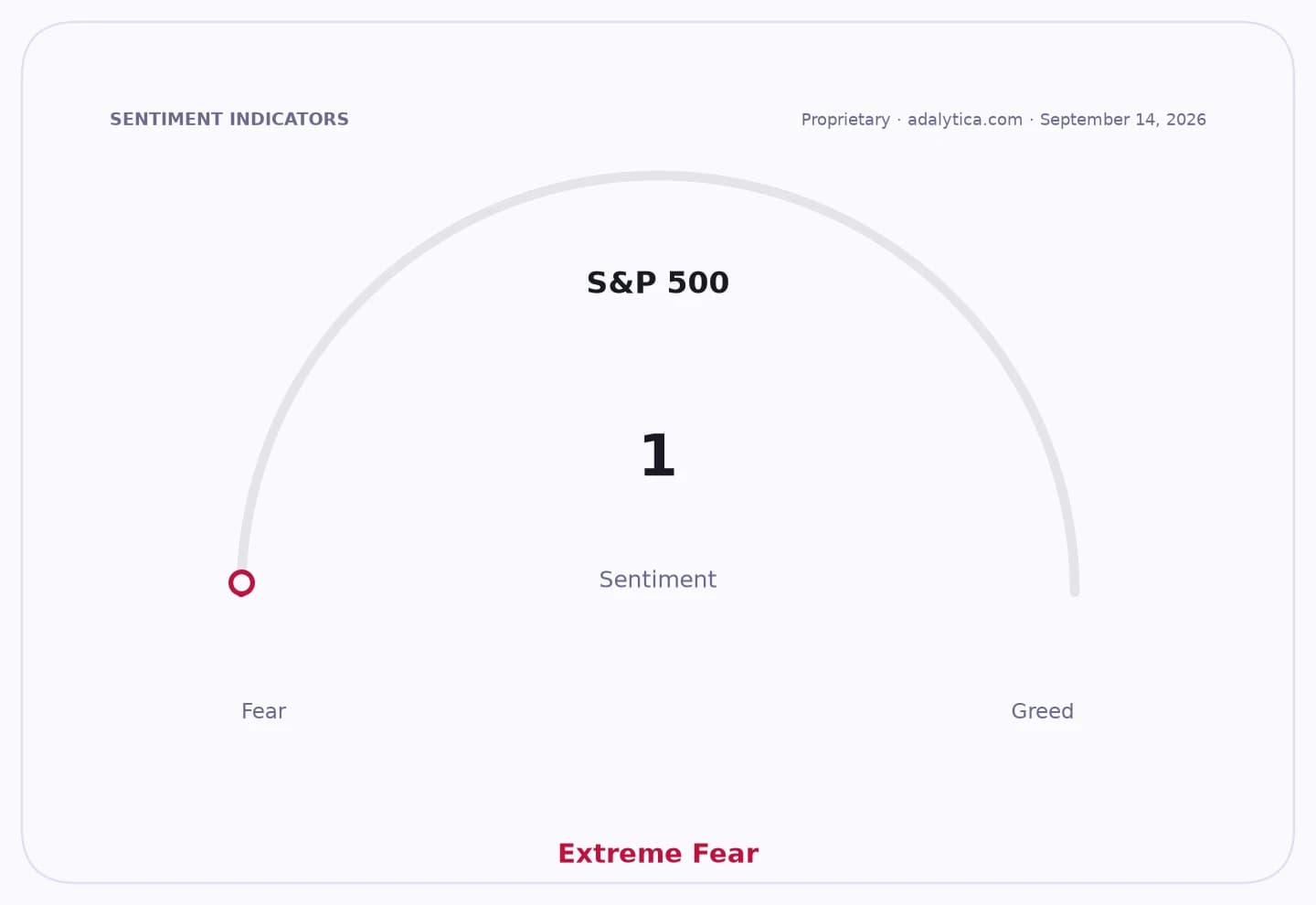
Sentiment IndicatorsⓘProprietary · adalytica.com · October 8, 2026
This is a snapshot — live sentiment, awareness and momentum for 130+ markets update continuously in the dashboard.Open AlphaPulse
The economic case for REITs is straightforward. They pool high-quality office buildings and shopping centres, then distribute most of the cash they generate back to holders. Under SEBI rules, REITs must distribute at least 90% of net distributable cash flow, and in practice Indian REITs pay out quarterly, creating a more predictable income stream than many other equity-like investments. For investors comparing REITs with fixed deposits, the appeal is not just potential yield but also access to capital appreciation and an asset class whose tax treatment can be more efficient than bank deposits or bonds.
That tax angle is a key part of the story. A REIT payout can contain dividend, interest and amortisation components, each taxed differently, but the structure is generally designed to pass income through to unit holders rather than accumulate it at the vehicle level. For savers who are already paying tax on deposit income, that can make REITs a more attractive alternative — especially when they are looking for post-tax returns rather than headline coupons.
The pitch is also being framed for retirement planning. Regular distributions, lower volatility than direct equities and exposure to commercial property rents make REITs a hybrid income product rather than a pure growth bet. That does not make them risk-free. They remain market instruments, and their returns can be pressured by vacancies, tenant quality, leverage and shifts in interest rates. But for investors who want to diversify away from fixed income without taking on the operational burden of owning property, the sector is emerging as a practical middle ground.
The timing matters too. Broader market indicators show a backdrop that can favour income assets but also expose valuation risk. US equity sentiment in Adalytica’s gauges is in “Extreme Greed,” while US Treasury bonds show weak sentiment, a combination that underscores how investors are still rotating between risk and safety rather than sitting still. In that environment, a listed income product tied to real assets can appeal to households searching for returns beyond bank deposits, provided they understand that REITs can fall as well as rise.
For investors, the central question is not whether REITs are a substitute for property or fixed deposits, but which role they should play in a portfolio. The bull case is steady distributions, liquidity and diversification. The bear case is rate sensitivity, property-cycle risk and the fact that listed REIT units can be volatile even when the underlying buildings look stable. The next phase for the asset class will depend less on retail enthusiasm than on whether commercial occupancy, rental growth and balance-sheet discipline keep supporting those quarterly payouts.
| Entity | Gains | Losses |
|---|---|---|
| Retail investors | ▲Low-cost property exposure | ▼Direct real-estate hassles |
| REIT holders | ▲Quarterly income and liquidity | ▼Capital tied to market swings |
| FD savers | ▲Higher-yield alternative | ▼Guaranteed deposit comfort |
| REIT sponsors | ▲Broader investor base | ▼Pressure to sustain payouts |