AstraZeneca has priced a €2.55 billion bond offering in four tranches, giving the drugmaker fresh long-term funding at a time when Europe’s credit markets are absorbing heavy supply and global bond yields remain sensitive to policy moves and Treasury intervention.
AstraZeneca prices €2.55 billion bond offering

The deal matters because AstraZeneca is using the investment-grade market to lock in financing while demand for corporate paper is still open, even as volatility in sovereign yields and a weaker dollar shape borrowing conditions across sectors. For a company with a large pipeline and ongoing capital needs, debt issuance is a lower-dilution way to fund operations, acquisitions or shareholder returns than equity.
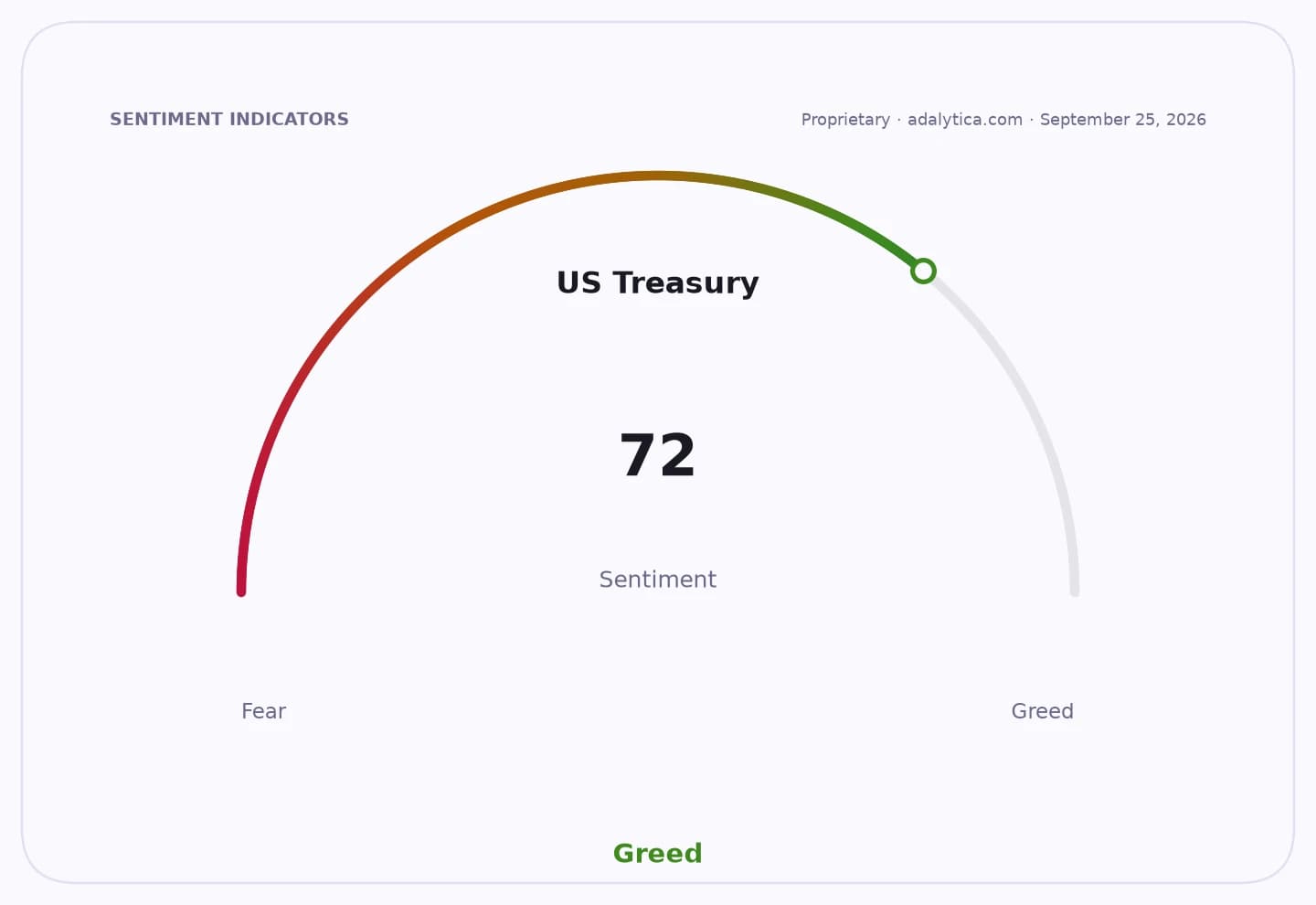
Sentiment IndicatorsⓘProprietary · adalytica.com · August 25, 2026
This is a snapshot — live sentiment, awareness and momentum for 130+ markets update continuously in the dashboard.Open AlphaPulse
The bonds were issued through AstraZeneca PLC, according to a company filing on Tuesday that said the notes were not registered under the U.S. Securities Act. Pricing the notes in multiple maturities lets the company diversify its liability structure and potentially smooth refinancing risk over time.
AstraZeneca shares were up 3.02% on the latest session, extending a stretch in which the stock has held above its 50-day moving average and remained near the upper end of its recent trading range. The stock closed at 169.57 on Aug. 25, with technical readings showing the shares still below the 200-day moving average but recovering from their July pullback.
The issuance also lands against a broader backdrop of heightened bond supply from large issuers, including technology groups financing AI spending, and a U.S. Treasury that has expanded buybacks to steady longer-dated yields. That mix has been supporting issuance windows for quality borrowers while keeping investors focused on duration, spreads and liquidity.
For bondholders, AstraZeneca’s move offers fresh high-grade paper from a defensive sector with strong cash generation. For equity investors, the key question is whether the debt supports growth without materially increasing leverage, with attention now turning to how the company deploys the proceeds and whether further funding comes through in the months ahead.
| Entity | Gains | Losses |
|---|---|---|
| AstraZeneca | ▲Flexible euro funding | ▼Higher debt load |
| Bond investors | ▲Investment-grade yield | ▼Duration risk |
| Equity holders | ▲Less dilution risk | ▼Potential leverage pressure |
| Competing issuers | ▲Stronger market appetite | ▼Tighter pricing conditions |