For investors sitting on big gains, the smartest liquidity move can be borrowing against appreciated shares instead of selling them and triggering a tax bill, and today’s interest-rate backdrop makes that trade-off worth a fresh look.
SBLOCs stay useful as borrowing costs remain high
That matters because the cost of cash is still high enough to make the decision meaningful. The 10-year Treasury is around 4.96%, the 2-year sits near 4.71%, and the federal-funds rate is about 3.63%, levels that keep borrowing expensive even after the big inflation shock of the past few years has faded. In other words, an SBLOC is no longer cheap money in the way it may have felt when rates were pinned near zero. It is a deliberate portfolio tool, not a free lunch.
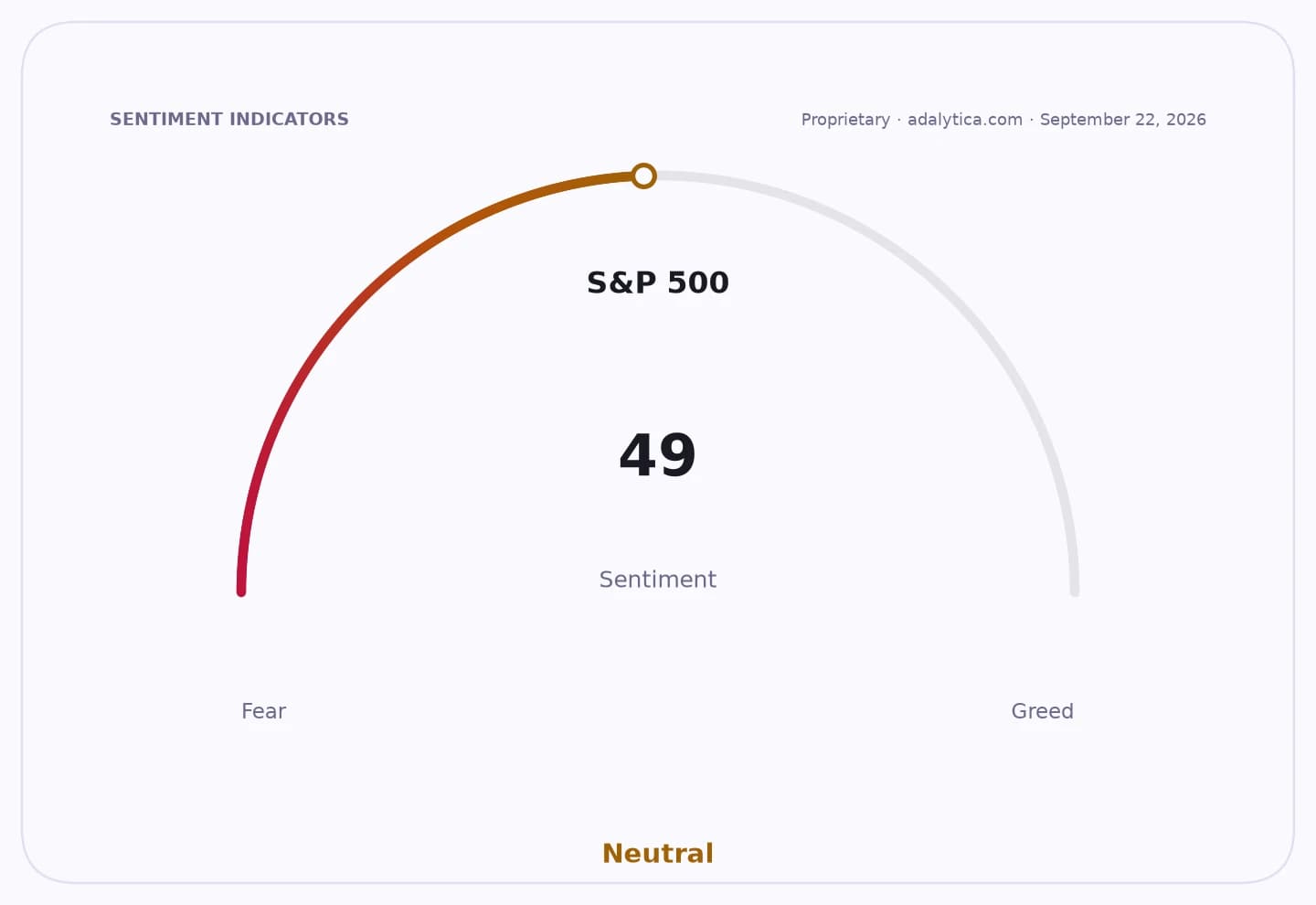
Sentiment IndicatorsⓘProprietary · adalytica.com · September 23, 2026
This is a snapshot — live sentiment, awareness and momentum for 130+ markets update continuously in the dashboard.Open AlphaPulse
For long-term investors, that distinction is everything. A securities-backed line of credit can provide liquidity without forcing a sale of a high-conviction stock, a concentrated family portfolio, or a legacy holding with a low cost basis. That can be especially valuable for founders, executives, and retirees who need cash flow for taxes, real estate, private investments or spending, but want to keep compounding in place. Selling appreciated shares may solve the short-term cash need, but it can also reset the clock on years of future gains.
The banks that make these loans are built around that use case. Goldman Sachs and Morgan Stanley both disclose that securities-backed lending depends on collateral values and daily margin requirements, which is why these products tend to be reserved for clients with sizable, diversified portfolios and the ability to absorb volatility. For the lender, the appeal is straightforward: the loan is secured, interest income is attractive, and affluent clients often have sticky relationships that can deepen over time.
Investors should also understand the risk. An SBLOC is not a substitute for a cash reserve. If the market falls sharply, the lender can demand more collateral or force liquidation. That makes the product most useful for borrowers who are conservative about leverage and disciplined about maintaining a cushion. The market’s current tone reinforces that caution. Adalytica’s trade signals show the S&P 500 in “Greed” territory while Treasury-bond sentiment also leans “Greed,” a reminder that risk assets and rates can both move against borrowers at the same time.
Still, the broader narrative is attractive for patient investors. If you own a tax-efficient, diversified portfolio and need liquidity, borrowing against assets can be a way to stay invested, defer capital gains, and preserve your best compounding engines. But the right lesson is not to borrow because you can; it is to borrow only when the liquidity need is real and the repayment plan is clear.
For investors thinking in years, not weeks, SBLOCs remain a useful but specialized tool. Worth watching, but only as part of a disciplined balance-sheet strategy.
| Entity | Gains | Losses |
|---|---|---|
| Borrowers with appreciated stock | ▲Liquidity without selling | ▼Interest expense and margin risk |
| Lenders such as Goldman Sachs and Morgan Stanley | ▲Secured interest income | ▼Exposure if collateral drops |
| Long-term shareholders | ▲Continued compounding | ▼Less tax-efficient if forced to sell |
| Concentrated portfolios | ▲Cash access without liquidation | ▼Higher leverage risk in selloffs |