Finance of America’s shares have slid to $14.48 from above $26 in July, a sharp reminder that leverage can be manageable in a rising-market thesis but punishing when profitability weakens and credit conditions tighten.
Finance of America Falls on Leverage Concerns
That is the core lesson for investors in the current backdrop of still-elevated borrowing costs and a market that is no longer rewarding balance-sheet risk for its own sake. The U.S. 10-year Treasury yield is near 4.95% and the federal funds rate sits around 3.63%, leaving financing expensive relative to the last decade and raising the hurdle rate for lenders and highly levered financial firms. In that environment, debt can be tolerable for businesses generating strong returns on equity, but it becomes a liability when ROE is too thin to absorb rate pressure, spread widening or operating volatility.
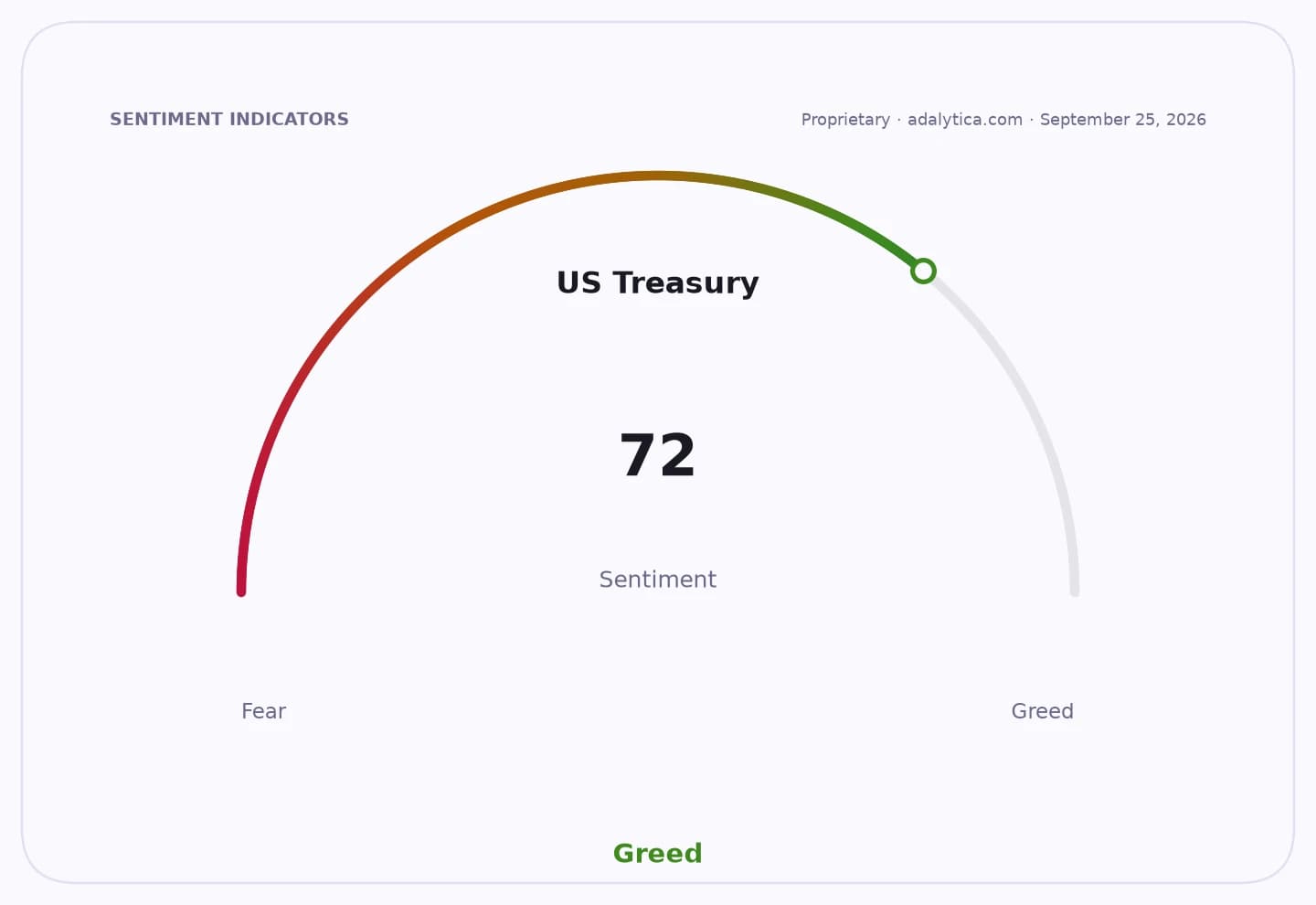
Sentiment IndicatorsⓘProprietary · adalytica.com · September 23, 2026
This is a snapshot — live sentiment, awareness and momentum for 130+ markets update continuously in the dashboard.Open AlphaPulse
FOA’s latest trading pattern underscores that distinction. The stock has dropped about 45% from its July peak, with its 14-day RSI near 19, typically a deeply oversold reading, after a period in which the shares had been trading well above both the 50-day and 200-day moving averages. The move suggests investors are reassessing not just sentiment, but the durability of earnings power relative to the company’s funding structure.
The company’s own filings show why the balance-sheet debate matters. Finance of America said in its second-quarter report that financing cash flow rose sharply because of a jump in proceeds from nonrecourse debt, underscoring how central structured borrowing is to the business model. That can be constructive when asset performance is stable and the company earns enough on capital to justify the leverage. But if returns compress, the same funding model magnifies downside, especially in a mortgage market where higher rates can cut transaction volumes and pressure margins.
That is why the seed argument — debt is not inherently the problem, but debt without sufficient ROE is — resonates beyond one stock. Investors are increasingly sorting lenders, insurers and other credit-sensitive companies by the quality of their returns, not just the size of their balance sheets. A company earning 15% to 30% on equity can often service and refinance obligations comfortably. A firm earning far less may see debt become a drag on equity value, even if the headline leverage ratio looks only moderately higher.
There is a broader market echo as well. Credit spreads on high-yield debt have narrowed from their spring spike to roughly 2.66 percentage points, implying markets are less stressed than they were earlier in the year. But that does not eliminate company-specific risk. In a market where Treasury bonds remain popular and the dollar is strong, capital is still being priced carefully, and investors are likely to favor businesses with cleaner balance sheets or demonstrably high returns on capital.
For Finance of America, the next test is whether earnings and asset performance can catch up with the balance-sheet demands of the model. For investors more broadly, the message is straightforward: leverage is not the only question. The more important one is whether a company’s return on equity is high enough to make that leverage work.
| Entity | Gains | Losses |
|---|---|---|
| High-ROE companies | ▲Higher leverage tolerance | ▼Less penalty from borrowing |
| Low-ROE highly levered firms | ▲Cheap funding in benign markets | ▼Greater equity erosion |
| Finance of America | ▲Funding flexibility | ▼Valuation pressure from leverage |
| Lenders with strong balance sheets | ▲Better investor demand | ▼Less advantage for weaker peers |