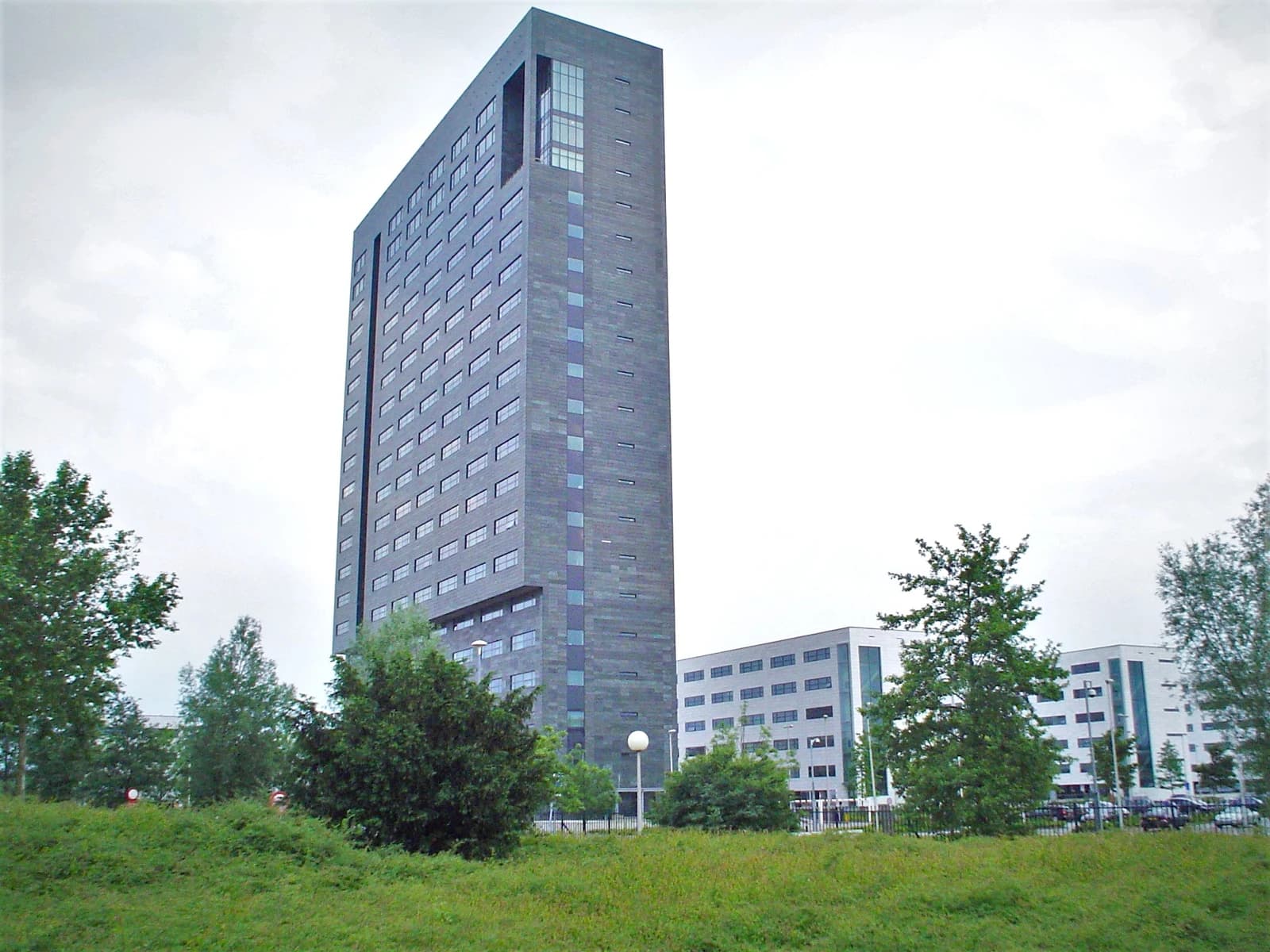
AstraZeneca has opened a new 570,000-square-foot research center in Cambridge, Massachusetts, in a move that deepens its bet on U.S.-led drug discovery and adds fresh firepower to a $50 billion American investment plan.
AstraZeneca Opens Cambridge Research Center
The 18-story facility in Kendall Square is designed to house nearly 2,000 researchers and scientists across 10 floors of laboratories outfitted with robotics, automation and artificial intelligence. It will work alongside AstraZeneca’s genomic medicine site at 100 Binney Street, giving the Anglo-Swedish drugmaker a larger cluster in one of the world’s most competitive biotech corridors.
For investors, the significance is less about the ribbon-cutting than the economics behind it. AstraZeneca is spending more than $1 billion in Massachusetts alone and expects the local workforce to grow by more than 50% over the coming years, a sign it is committing capital and headcount to a pipeline that must keep delivering new products as older drugs face patent pressure.
The company has been leaning heavily on oncology to drive growth, and that remains central to the investment case. Bank of America recently reiterated a buy rating on AstraZeneca with a target of 16,500 pence, implying about 37% upside from a reference price of 12,032 pence, while noting that the stock’s case depends heavily on development-stage drugs and upcoming clinical readouts.
AstraZeneca’s expansion comes as global drugmakers, including Pfizer, Roche and Eli Lilly, are also widening their U.S. footprints with multibillion-dollar spending commitments on research and manufacturing. The push reflects both the scale of the American market and the strategic value of keeping more discovery, development and production closer to the world’s biggest healthcare and capital markets.
Chief Executive Pascal Soriot said the Cambridge site reflects AstraZeneca’s commitment to “US-led innovation,” complementing its other major research hub in Gaithersburg, Maryland. The company is also facing a busy clinical calendar, including the AVANZAR study of Dato-DXd in first-line lung cancer, which remains a key near-term catalyst.
For shareholders, the new campus is a signal that AstraZeneca is trying to buy more time and more growth through innovation-heavy spending, even as mature products face competition and margins remain under pressure. The next test is whether the company can turn this larger U.S. research platform into data, approvals and launches that justify the capital outlay.
| Entity | Gains | Losses |
|---|---|---|
| AstraZeneca | ▲Bigger U.S. R&D base | ▼Higher capital spending |
| U.S. biotech cluster | ▲More jobs and investment | ▼More competition for talent |
| Oncology pipeline | ▲More research support | ▼Higher execution bar |
| Existing drug franchises | ▲Longer growth runway | ▼Patent and generic pressure |