Coffee drinkers are starting to pay more at the till as some cafes lift prices by as much as 10% after the Reserve Bank of Australia moved to ban card surcharges, a change that shifts payment costs from customers to businesses.
Australia cafe prices rise after card surcharge ban
For investors, that matters because it shows how a seemingly small policy tweak can ripple through the economy. Cafes, already operating on thin margins, are now absorbing more of the cost of electronic payments unless they can pass it on. That makes pricing power, labor efficiency and rent control even more important in a sector where survival often depends on cents, not dollars.
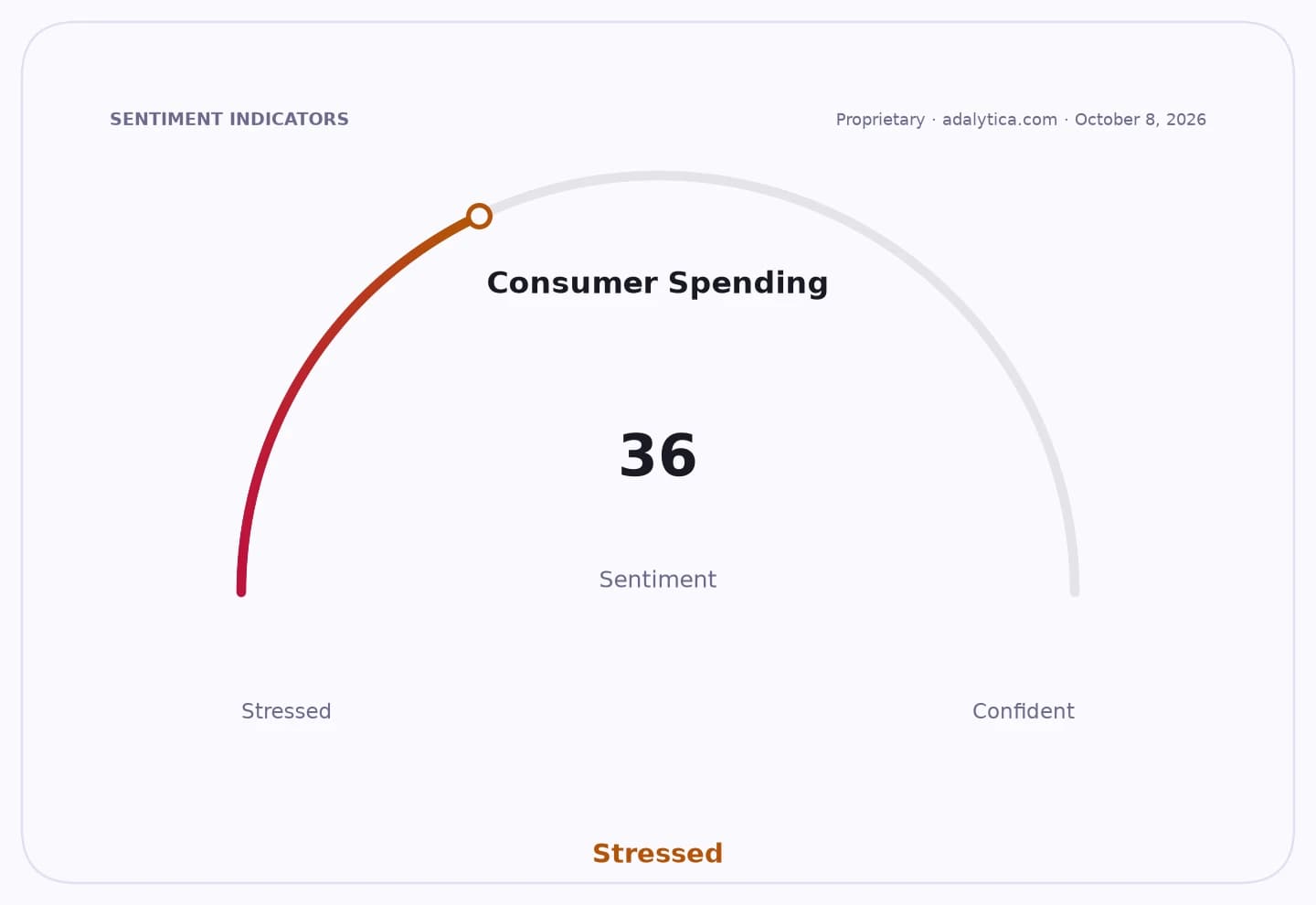
The clearest takeaway is that the surcharge ban does not make payments cheaper overall; it changes who pays. Customers may no longer see a separate fee on their receipt, but the cost has not disappeared. Instead, cafes are likely to fold it into menu prices, and that can hit demand if higher prices arrive just as consumers remain cautious about spending. Adalytica’s Consumer Spending Sentiment snapshot points to a neutral reading, even as awareness remains elevated, suggesting households are alert to price changes and still selective about discretionary purchases.
That puts pressure on smaller operators first. Independent cafes tend to have less room to absorb payment processing costs than large chains with scale, loyalty programs and tighter supplier contracts. Big coffee brands and vertically integrated operators are better positioned to spread the cost across a wider base, negotiate lower fees and lean on volume. For coffee companies and cafe franchises, the policy could become another nudge toward consolidation.
The broader economic backdrop still matters. Coffee is a daily habit, which gives the category some resilience, but it is also a discretionary purchase where repeated small increases can change behavior over time. If cafes keep raising prices, some customers may trade down, skip a second drink or shift more spending to at-home coffee. That is why investors should watch not just headline price increases, but sales volumes and customer traffic in the months ahead.
J.M. Smucker-owned coffee brands and listed coffee supplier JVA have already shown how sensitive the sector is to pricing and input shifts, with recent filings pointing to pressure from weaker green coffee prices and promotional activity. In other words, this is not just about one surcharge rule in Australia. It is another reminder that the coffee business is being squeezed from both ends: consumers resisting inflation on one side, and operators protecting margins on the other.
For long-term investors, the best businesses in this space will be the ones that can keep customers coming back even when the receipt gets a little longer. That favors strong brands, efficient operators and companies with genuine pricing power. The surcharge ban may look minor, but it is the kind of policy change that quietly separates resilient cafes from fragile ones.
| Entity | Gains | Losses |
|---|---|---|
| Cafes with pricing power | ▲Preserve margins | ▼Fewer menu-price increases needed |
| Small independent cafes | ▲Simpler checkout | ▼Higher payment costs |
| Consumers | ▲No separate surcharge line | ▼Higher coffee prices |
| Large chains | ▲Scale advantages | ▼Smaller relative benefit from fee ban |