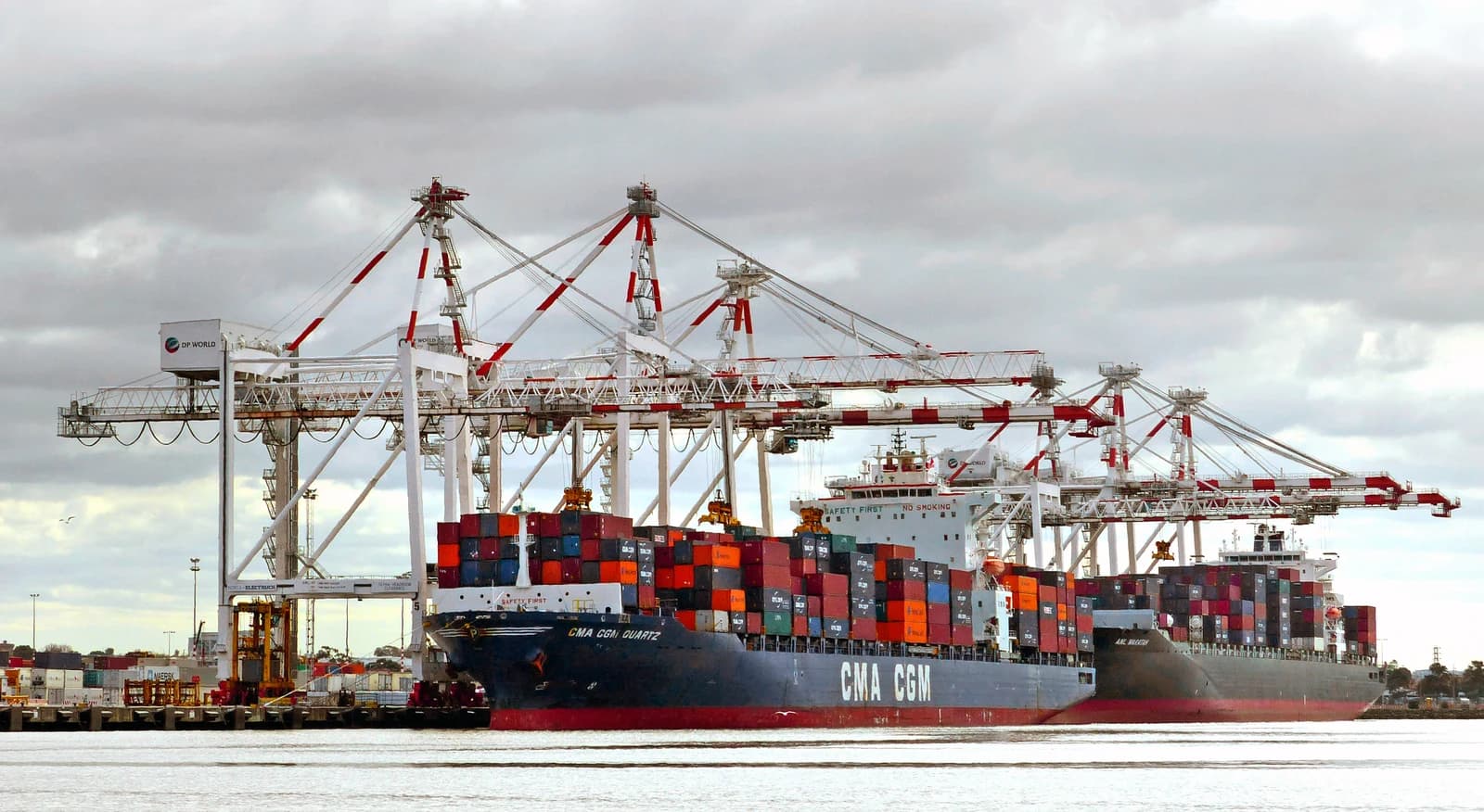
Australia is heading into a major climate summit with its coal sector doing the opposite of what its climate message suggests: digging more, exporting more and benefiting from a fresh burst of Asian demand driven by energy insecurity.
Australia coal exports rise on Asian demand

That contradiction matters because Australia is about to serve as lead negotiator for COP31 while its coal mines expand on the back of a global market that is proving far stickier than many policymakers hoped. For investors, the message is straightforward: coal is not disappearing on the timetable many assumed, and the companies exposed to seaborne thermal demand still have earnings power when geopolitics tighten supply.
Sentiment IndicatorsⓘProprietary · adalytica.com · October 8, 2026
This is a snapshot — live sentiment, awareness and momentum for 130+ markets update continuously in the dashboard.Open AlphaPulse
The International Energy Agency now expects global coal demand to rise 1.2% to a record 8.94 billion tonnes in 2026, reversing earlier expectations of decline. A closure of the Strait of Hormuz has forced Asian buyers to lean harder on coal as a substitute for disrupted gas supplies, according to analysts and miners. Japan and South Korea are among the countries increasing coal use to replace scarce and expensive oil and gas, while electrification of transport could also keep coal in the system longer than many green-transition models assumed.
Australia is well positioned to capture that demand. It is the world’s second-largest coal exporter, and an industry outlook shows annual thermal coal exports rising by 8 million tonnes to 213 million tonnes in 2025-26. In New South Wales, where 37 coal mines operate, the state approved a 19-year mine extension last week that will generate 809 million tonnes of emissions, most of it released overseas when the coal is burned. Yancoal, the Chinese-backed miner, said it set a production record in the first half of 2026, digging up 19.8 million tonnes of saleable coal, up 4%.
For the market, that keeps a floor under producers such as BHP, Rio Tinto and Glencore, even if the long-term energy transition remains intact. Their shares have already reflected that resilience: BHP trades around the high $80s after a volatile run, while Rio Tinto has held above its long-term trend even after recent weakness. Coal equities may not be the market’s favorite climate trade, but the sector is still benefiting from supply shocks, not ideology.
The deeper investment lesson is that energy transition is rarely linear. Governments can push renewables, households can install solar and policymakers can set emissions targets, yet coal still surges when security trumps decarbonization. Australia’s own minister says short-term demand spikes should not be mistaken for a reversal, but they do underline the durability of fossil-fuel cash flows when the world gets nervous.
For long-term investors, that means coal remains a cyclical, politically fraught but economically relevant part of the energy mix. The better question is not whether coal will vanish tomorrow, but which producers can harvest today’s demand without being stranded by tomorrow’s policy shift. That makes the big miners and the coal-heavy regions worth watching, even for investors who prefer to own the transition rather than resist it.
| Entity | Gains | Losses |
|---|---|---|
| Australian coal miners | ▲Higher export volumes | ▼Climate credibility |
| BHP, Rio Tinto, Glencore | ▲Near-term cash flow support | ▼Long-term transition pressure |
| Japan and South Korea | ▲Energy supply security | ▼Decarbonization progress |
| Climate campaigners | ▲Broader public scrutiny | ▼Policy momentum on coal |