Australia has lifted the minimum pay foreign workers must earn to qualify for its Core Skills visa pathway, a move that keeps tightening the country’s employer-sponsored migration gate as businesses compete for scarce talent.
Australia Raises Core Skills Visa Income Threshold

The Department of Home Affairs said the Core Skills Income Threshold will rise to AUD79,423 for nomination applications lodged between 1 July 2026 and 30 June 2027, up from AUD76,515 in the current year. The benchmark applies to both the Skills in Demand visa and the Employer Nomination Scheme, meaning sponsors will need to clear a higher wage floor before they can bring in overseas workers.
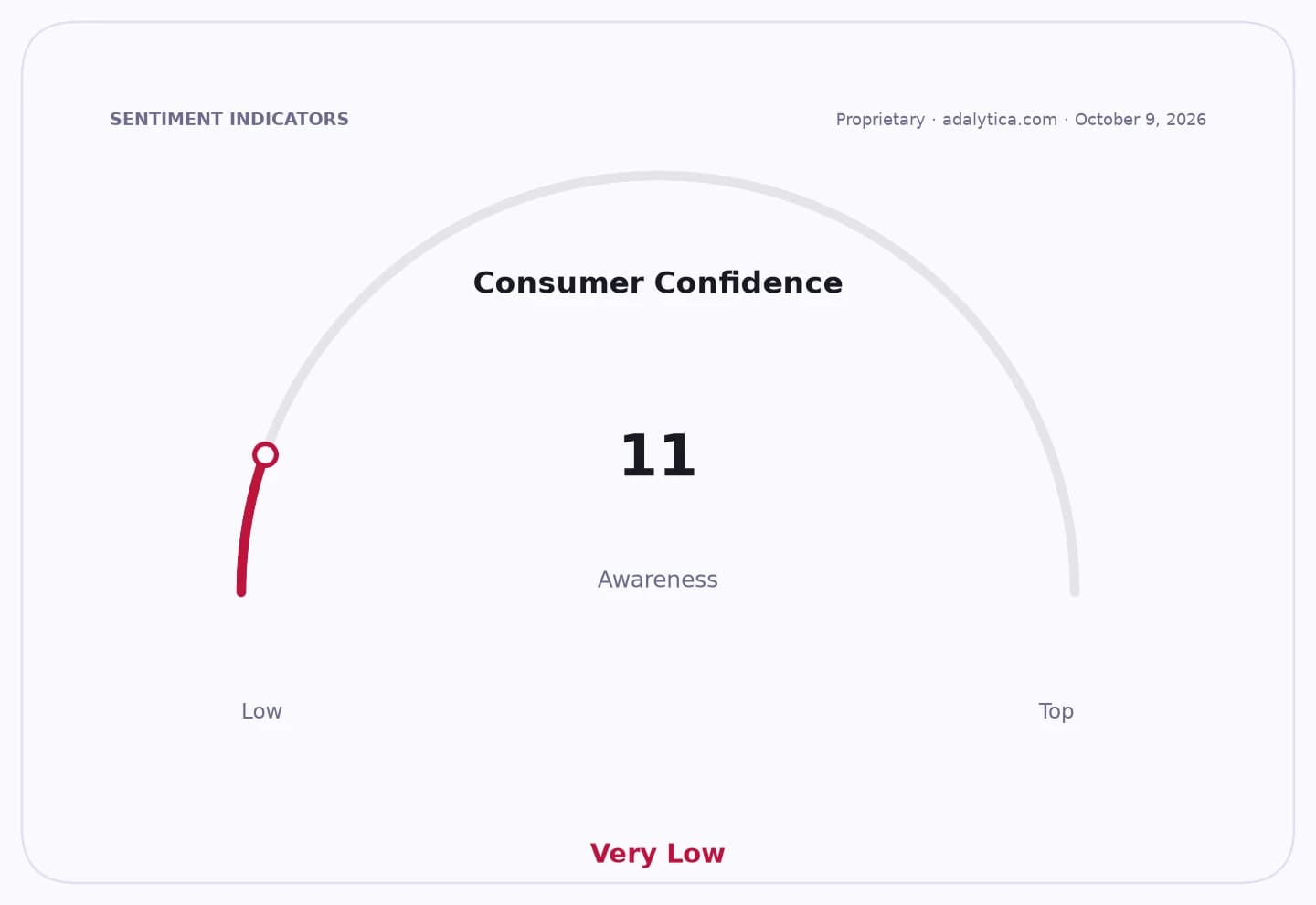
Sentiment IndicatorsⓘProprietary · adalytica.com · October 7, 2026
This is a snapshot — live sentiment, awareness and momentum for 130+ markets update continuously in the dashboard.Open AlphaPulse
That matters because Australia is using salary as a blunt but effective filter for skilled migration. By pushing the threshold higher each year since it was introduced in December 2024, Canberra is trying to ensure sponsored jobs keep pace with local wage conditions. For employers, that raises the cost of filling vacancies through the visa system. For workers, it shrinks the range of eligible roles, especially in occupations where pay sits just below the cutoff.
The change also reinforces a broader policy pattern that investors should watch closely. Higher wage floors can support domestic labor incomes, but they can also make it harder for industries already facing shortages — from construction and healthcare to engineering and technology — to recruit at scale. If companies cannot source enough workers locally, they may need to lift compensation, delay projects, or lean more heavily on automation and productivity gains.
For markets, the immediate impact is less about a single visa line item and more about the message: Australia is not loosening labor standards to solve shortages. That can be constructive for household spending over time if wages keep rising, but it also adds pressure to employers’ margins in labor-intensive sectors. In a world where investors increasingly care about wage inflation and labor availability, the Core Skills threshold is another reminder that immigration policy can shape profits as much as politics.
The long-term takeaway is straightforward. Australia is trying to keep skilled migration aligned with domestic wage growth, and the next year’s threshold suggests the bar will keep moving higher. Employers planning sponsorships will need to budget for that, while investors should keep an eye on sectors most exposed to skilled labor bottlenecks. It’s worth watching.
| Entity | Gains | Losses |
|---|---|---|
| Australian workers | ▲Higher wage floor support | ▼Fewer low-paid sponsored jobs |
| Employers | ▲Clearer visa rules | ▼Higher hiring costs |
| Skilled migrants | ▲More transparent standards | ▼Smaller eligible job pool |
| Labor-intensive sectors | ▲Longer-term push to lift productivity | ▼Short-term margin pressure |