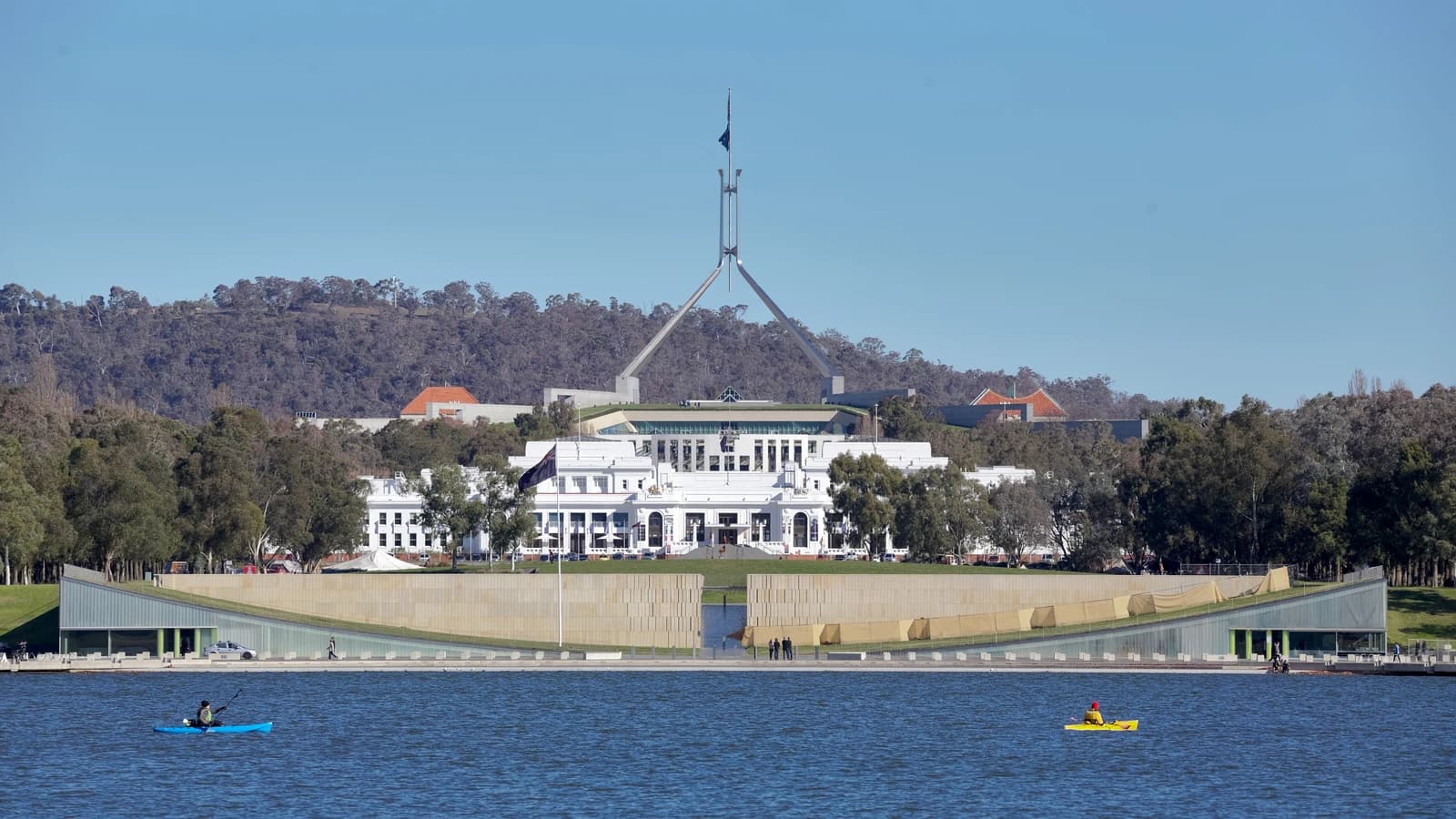
The White House has stepped up pressure on Australia over new digital rules and a cloud-services tax ruling, turning Canberra’s latest push to rein in Big Tech into a fresh trans-Pacific trade fight that could hit American tech giants’ margins and add to investor anxiety around global regulation.
Australia digital rules pressure U.S. tech giants
Washington’s warning matters because the battle is no longer just about content moderation or news bargaining. Australia is now layering a duty of care regime for platforms under 18 on top of penalties that can exceed A$100 million, while its tax office has also moved to treat cloud-computing and streaming revenue as royalty income, a shift the National Foreign Trade Council says could raise billions for the treasury and directly affect Amazon, Google, Microsoft, Apple, Spotify and Netflix.
Sentiment IndicatorsⓘProprietary · adalytica.com · September 9, 2026
This is a snapshot — live sentiment, awareness and momentum for 130+ markets update continuously in the dashboard.Open AlphaPulse
For investors, that combination is dangerous because it raises both operating costs and tax costs for some of the market’s most valuable names at a time when artificial intelligence infrastructure spending is already compressing margins across the sector. Alphabet shares have slipped to $330.65 from $338.36 two days earlier, while Amazon has fallen to $252.40 from $256.97, underscoring how quickly regulatory overhang can pressure even the biggest platforms when growth expectations are stretched.
Meta, by contrast, closed at $653.69 after a sharp rally, showing investors are still willing to pay for scale in digital advertising and social platforms, but the broader message is that governments are becoming more willing to force big tech to internalize social and fiscal costs. That is exactly the kind of second-order risk the market tends to underprice until it shows up in guidance, legal bills or tax expense.
The Trump administration has made digital services taxes and platform fines a recurring target, calling them extortion, and the latest Australian moves fit that pattern. Albanese says Canberra will set policy in Australia’s national interest, which means this is unlikely to be the last clash over how much foreign tech should pay, and how much control it should surrender, in markets that increasingly want the revenue without the political backlash.
The investable takeaway is clear: the market should expect continued headline risk for global platforms, but the bigger opportunity may sit with companies that enable compliance, content filtering, cybersecurity and cloud infrastructure while the large cap internet names absorb the regulatory bill. That is where investors should be positioned before the next round of sovereign pushback turns into an earnings line item.
| Entity | Gains | Losses |
|---|---|---|
| Australia Treasury | ▲Higher tax revenue | ▼Investor confidence |
| Trump White House | ▲Political leverage | ▼Trade relations with Australia |
| Big Tech platforms | ▲Limited operational flexibility | ▼Margins, tax burden |
| Compliance and cybersecurity vendors | ▲More demand for tools | ▼None material |