Australia’s economic outlook is deteriorating just as inflation remains sticky and unemployment is expected to edge higher, a combination that raises the odds of slower household spending, weaker credit demand and more pressure on borrowers.
Australia growth forecast at 1.0%, unemployment 5.1%
New bank forecasts point to growth of only 1.0% for Australia, with unemployment seen at 5.1% and inflation “refusing to budge,” a bleak mix for consumers already facing a prolonged squeeze from higher prices and elevated borrowing costs. For lenders, the message is more nuanced: slower growth can soften loan demand, but persistent inflation and a softer labour market can also worsen credit quality and limit how quickly the Reserve Bank of Australia can ease policy.
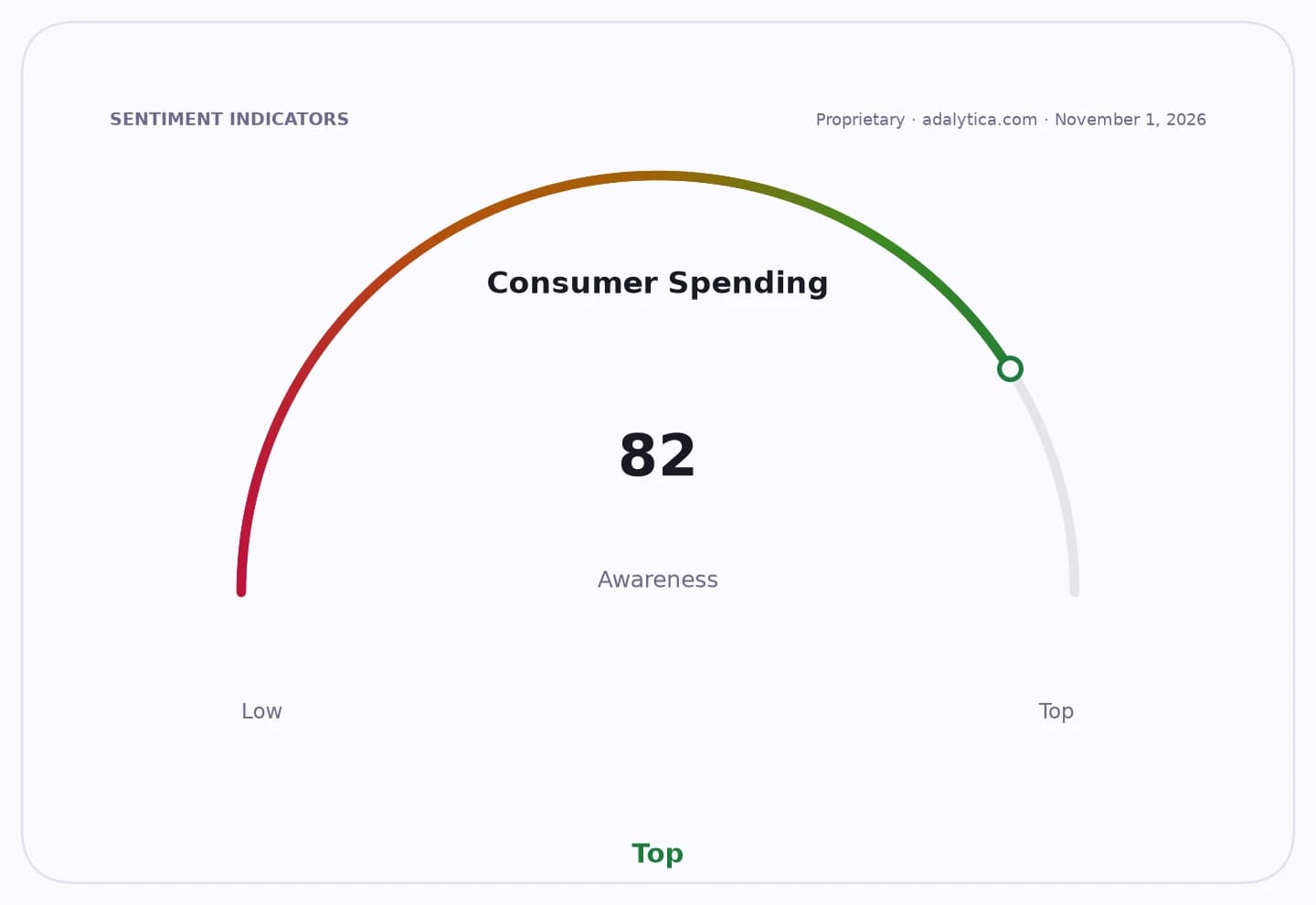
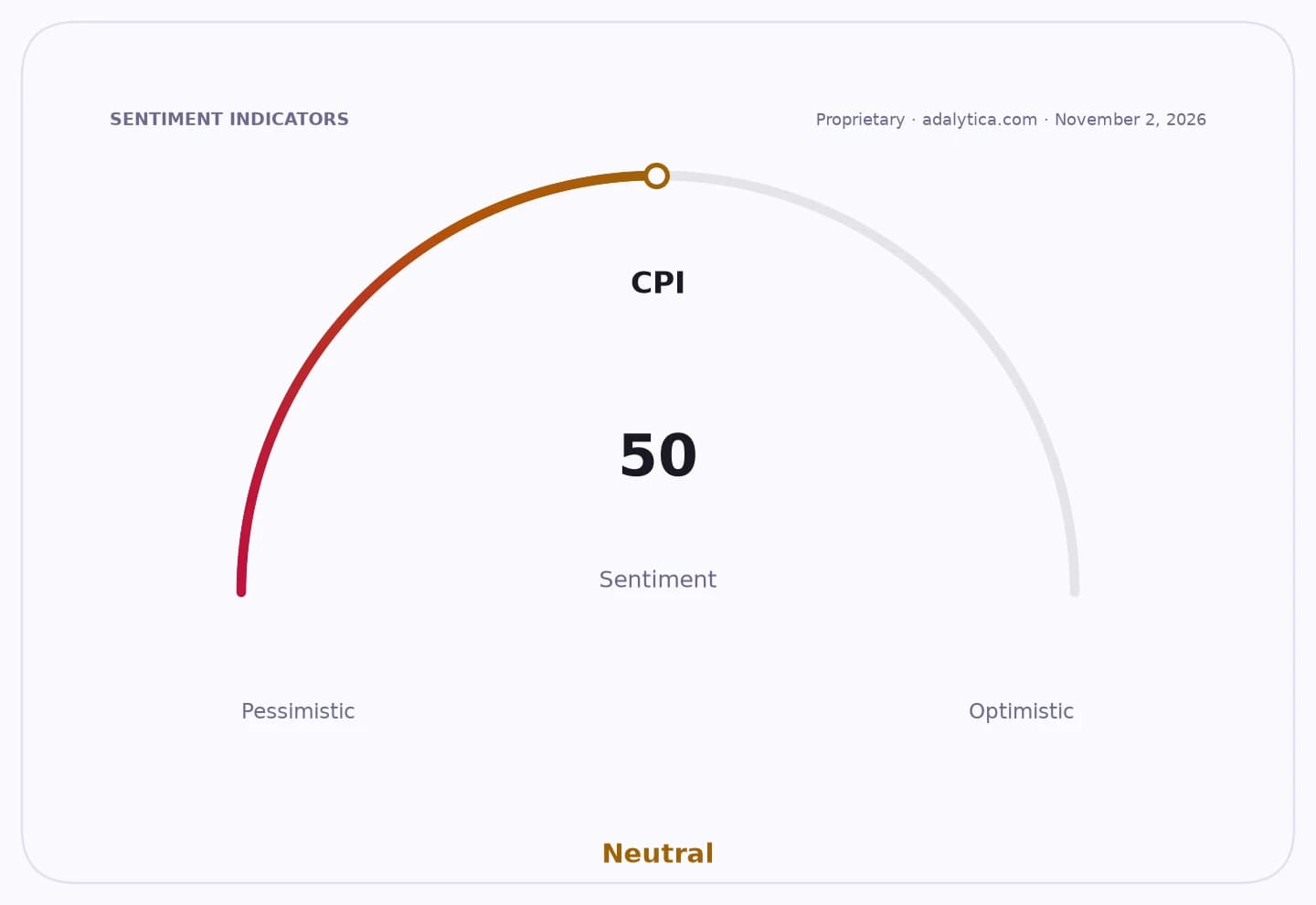
Sentiment Indicators
The shift matters because Australia’s economy has been balancing on household spending and a labour market that had held up better than many expected. If growth slows to around 1%, that implies little buffer against any further drag from rate-sensitive sectors such as housing, retail and discretionary services. A rise in unemployment to 5.1% would also mark a step up in stress for mortgage holders and consumers, especially those who rolled off ultra-low fixed rates and are now confronting much higher repayments.
Inflation is the key complication. If price pressures do not cool decisively, the central bank has less room to support growth, even as activity slows. That leaves households trapped between stubborn living costs and weaker income security, while policymakers face the harder task of restraining inflation without tipping the economy into a sharper downturn. For investors, that combination tends to be unfriendly to cyclicals and more supportive of defensive assets, while bank earnings become more exposed to arrears, provisioning and slower credit growth.
The backdrop also complicates the outlook for Australian equities and the currency. The Australian dollar often trades as a barometer of domestic growth and global risk appetite; a weaker growth profile would normally weigh on sentiment, though any support from sticky inflation and a still-restrictive policy stance could limit downside. The broader read-through is that Australia may be moving from a late-cycle slowdown into a period of stalled momentum, where neither consumers nor policymakers have much slack.
For banks, the near-term question is whether slower activity and rising unemployment translate into materially higher loan losses or just a manageable normalization after years of exceptionally low delinquencies. For households, the risk is that living standards remain under pressure longer than hoped. The next inflation prints and labour market data will determine whether these forecasts prove conservative or are the first sign of a more pronounced downshift in the economy.
| Entity | Gains | Losses |
|---|---|---|
| Australian banks | ▲Slower loan growth risk eases | ▼Higher credit losses risk |
| Borrowers/households | ▲Possible rate relief later | ▼Weaker incomes, sticky prices |
| Reserve Bank of Australia | ▲More data to justify caution | ▼Less room to cut rates |
| Australian equities/cyclicals | ▲Defensives may outperform | ▼Rate-sensitive stocks may lag |