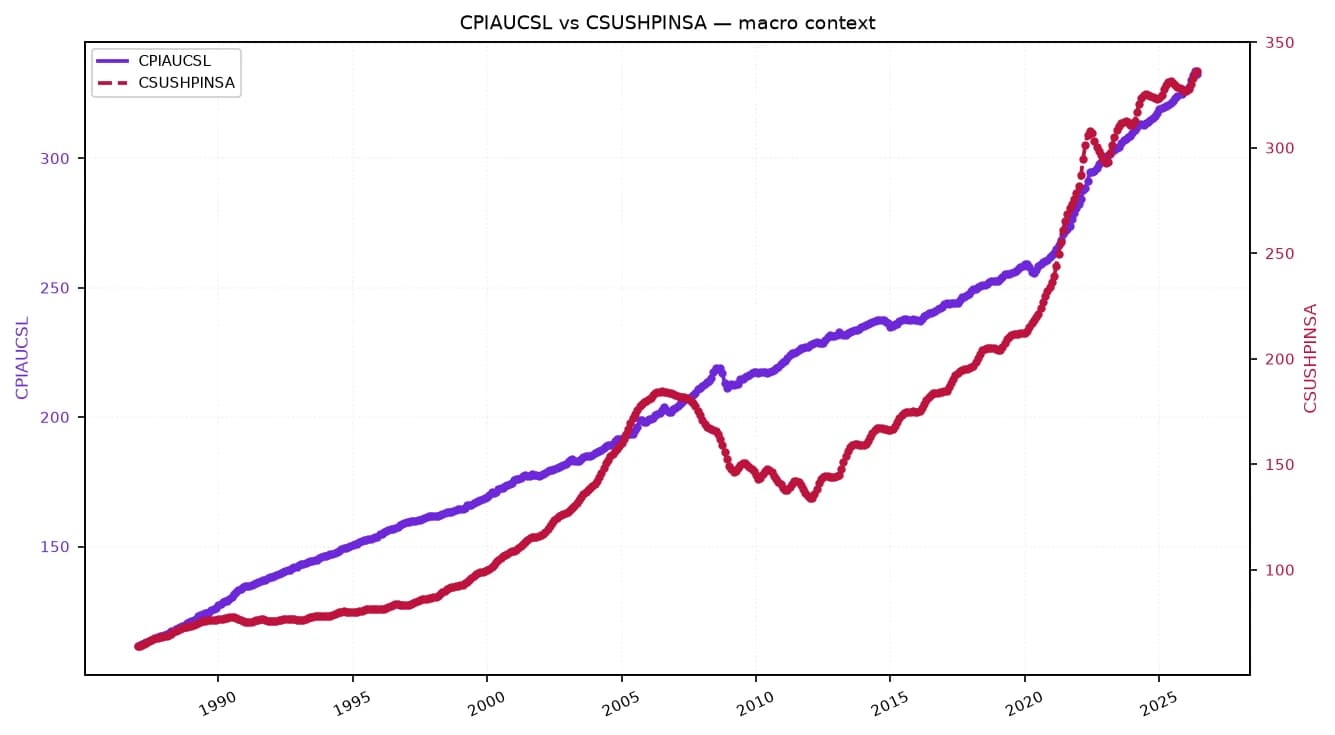
Australians may be told to expect a richer, healthier future, but the real economic story is that housing has become so unaffordable that many people have already stopped believing in the country’s version of the Great Australian Dream.
Australia housing affordability and investment risks

That is why Treasury’s rosy Intergenerational Report matters so much: it paints a long-run picture of rising living standards over the next 40 years, yet it collides with a much harsher near-term reality captured in separate household research showing deep frustration, resignation and a growing acceptance that renting may be permanent for many people. For investors, that gap between official optimism and lived experience is not just a social problem. It is a signal that housing, wages, consumption and policy risk are now intertwined in ways that will shape returns across the economy.
Sentiment IndicatorsⓘProprietary · adalytica.com · September 30, 2026
This is a snapshot — live sentiment, awareness and momentum for 130+ markets update continuously in the dashboard.Open AlphaPulse

The economic significance is straightforward. When households feel locked out of homeownership, they behave differently. They save more cautiously, spend less freely and become more sensitive to interest rates, rents and government support. That can weaken consumption over time, even if headline GDP trends remain positive. It also creates pressure on policymakers to do more on supply, planning and affordability, which can reshape the outlook for builders, lenders, landlords and infrastructure owners.
The longer horizon in Treasury’s report may still be plausible on paper. Australia has historically proved resilient, and the economy has kept expanding through commodity cycles, financial shocks and the pandemic. But forecasts are only as useful as the assumptions behind them. If a large share of the population feels that prosperity is not trickling down into a home they can own, then the political and economic constraints on growth get tighter, not looser.
That is what makes this story matter to investors. The housing squeeze can support some assets — especially rental housing, select developers, infrastructure and businesses tied to essential spending — while making life harder for consumer discretionary names, rate-sensitive borrowers and banks exposed to stretched household balance sheets. If affordability stays broken, the market may keep rewarding firms that benefit from scarcity and punishing those that depend on broad-based middle-class confidence.
The Australian dollar and local equity sentiment also reflect that tension. On the data provided, the ASX 200 ETF EWA has been choppy, with a recent close of 28.32 and a 50-day moving average around 29.46, while momentum gauges such as RSI have cooled from overbought levels. That suggests investors are still weighing whether the economy can deliver the kind of growth Treasury projects without a deeper fix to housing and living costs. Adalytica’s U.S. dollar and S&P 500 trade signals also show broader market fear in global risk sentiment, a reminder that Australia’s domestic affordability problem is landing in a world where investors are already cautious.
The real narrative here is not that Australia lacks long-term potential. It is that long-term potential is being tested by a very present affordability crisis. If governments can unlock more housing supply and restore some faith that work can still lead to ownership, the optimistic forecast becomes more believable. If not, the country may grow richer in aggregate while feeling poorer to the people who have to live in it.
For long-term investors, that makes housing policy, rental demand and household balance-sheet pressure worth watching closely. The best opportunities may come from businesses that can profit even when homeownership is out of reach, while the biggest risks sit with sectors that assume consumers will keep spending as if the dream is still intact.
| Entity | Gains | Losses |
|---|---|---|
| Landlords and rental housing owners | ▲Higher rental demand | ▼Affordability backlash |
| Homebuyers/young households | ▲None | ▼Weaker ownership prospects |
| Housing policymakers | ▲Reform leverage | ▼Public frustration |
| Consumer lenders and banks | ▲Stable credit demand | ▼Stretched borrowers |