Inflation is no longer drifting quietly back to target, and that is the single most important message investors should take from the latest reports. Australia’s consumer prices jumped 4.9% from a year earlier in October, the hottest pace in three years, while U.S. data continue to show core inflation running stubbornly above where policymakers want it. That combination keeps interest-rate risk alive, and for long-term investors it means the market’s next big move may still come from central banks, not earnings.
Australia Inflation Rises as Rate Cuts Delay
2% Target Confidence
Why does that matter economically? Because inflation is the variable that determines whether growth can keep running without forcing policymakers to slam on the brakes. In Australia, a hotter-than-expected print raises the odds the Reserve Bank of Australia will have to stay tighter for longer, even as recession fears build. In the U.S., the picture is more complicated: the economy has been expanding at a solid 4.3% annual rate, but persistent price pressure suggests the Federal Reserve cannot declare victory on inflation just yet.
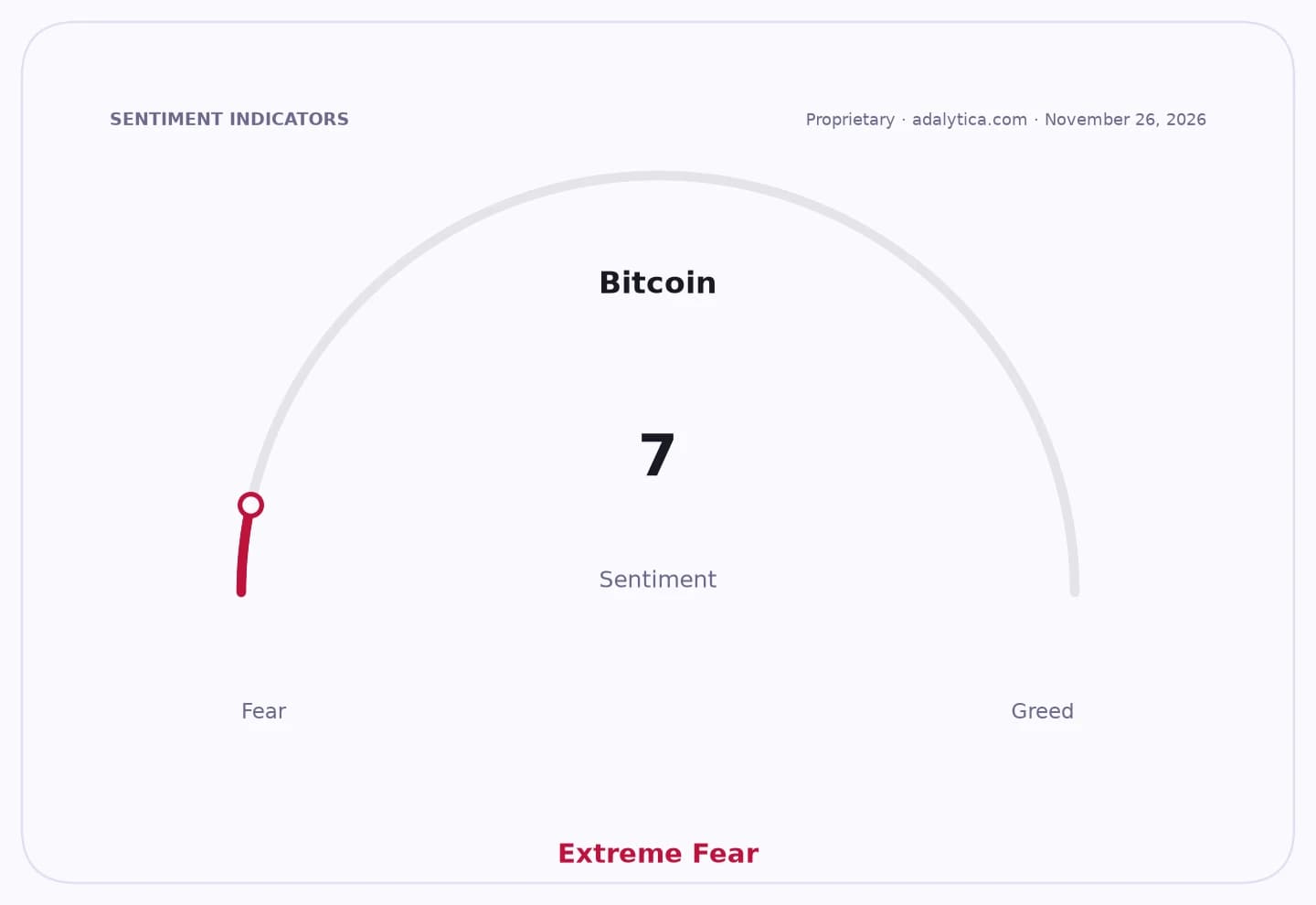
Sentiment Indicators
For investors, the implication is straightforward: higher-for-longer rates remain a live scenario. That is usually a headwind for long-duration assets, especially growth stocks and sectors that depend on cheap capital. It can also keep pressure on housing, highly leveraged companies and rate-sensitive parts of the market. But it is not a reason to panic. If anything, inflation shocks like this are a reminder that compounding works best when investors stay diversified and avoid overreacting to every macro swing. The businesses with pricing power, strong cash flow and durable demand tend to come through these periods in better shape than the market’s more fragile names.
The bigger narrative is that global disinflation has become uneven. Supply disruptions, geopolitical tensions and resilient demand are still feeding price pressures in pockets of the world economy. That makes the path for central banks harder and the path for markets choppier. Australia’s surprise jump is especially important because it arrives at a moment when investors were hoping inflation would cool enough to let policymakers ease up.
The next few inflation reports and central-bank meetings will matter a lot. If prices stay sticky, rate cuts get pushed out and bond yields may stay elevated. If inflation moderates, markets can refocus on earnings and growth. For now, investors should treat this as a reminder that inflation is still the dominant macro force to watch — and worth keeping on your watchlist rather than trying to trade every headline.
| Entity | Gains | Losses |
|---|---|---|
| Central banks | ▲More reason to stay cautious | ▼Room to cut rates soon |
| Savers and short-term cash holders | ▲Higher yields linger | ▼Faster easing is delayed |
| Borrowers and rate-sensitive stocks | ▲— | ▼Higher-for-longer rates |
| Pricing-power companies | ▲Can protect margins | ▼Firms with weak pricing power |