US inflation data and a bruising retreat in technology stocks are set to decide whether investors head into year-end buying the dip or preparing for a longer reset in the global market story.
US inflation and tech selloff test year-end rally

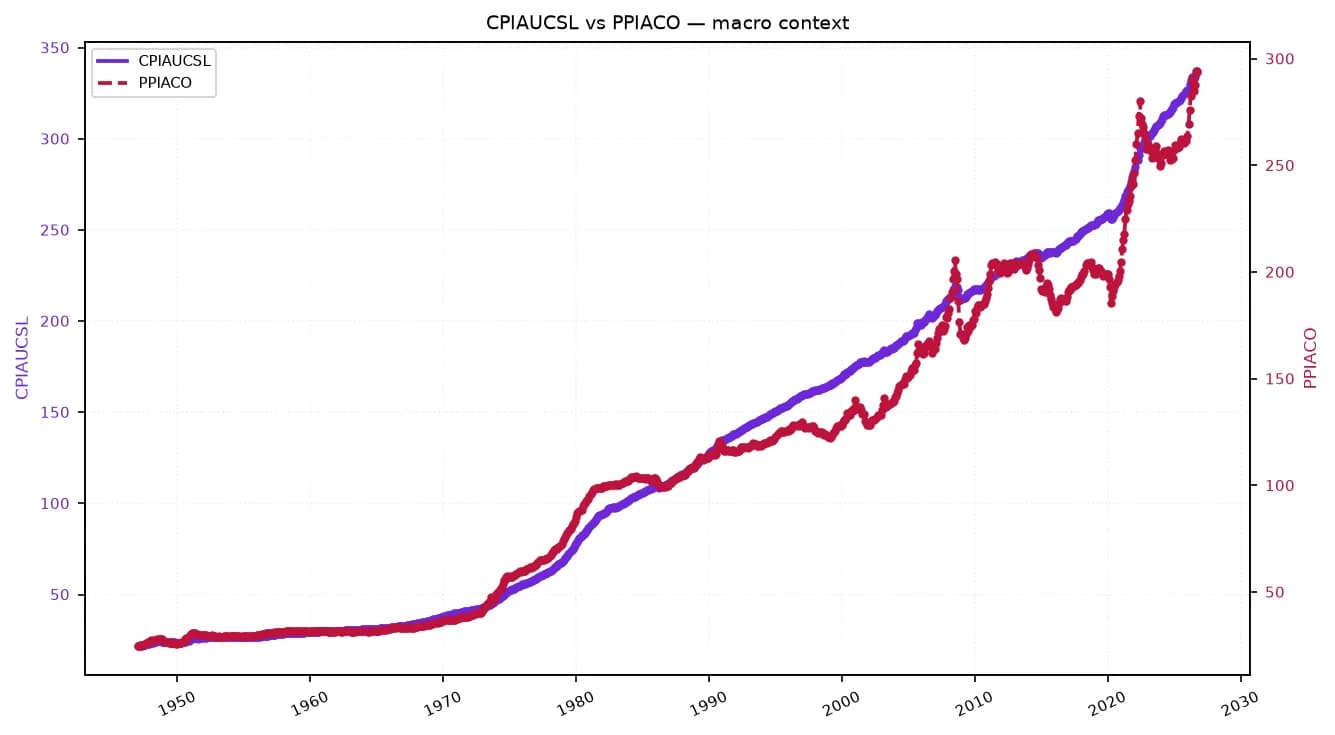
The stakes are high because the next few sessions will test two assumptions that have powered the rally: that inflation is still cooling enough for the Federal Reserve to avoid an outright policy shock, and that the artificial-intelligence capital boom can keep justifying the market’s richest valuations. If either narrative cracks, the move out of tech could spread into credit, cyclical stocks and even the bond market.
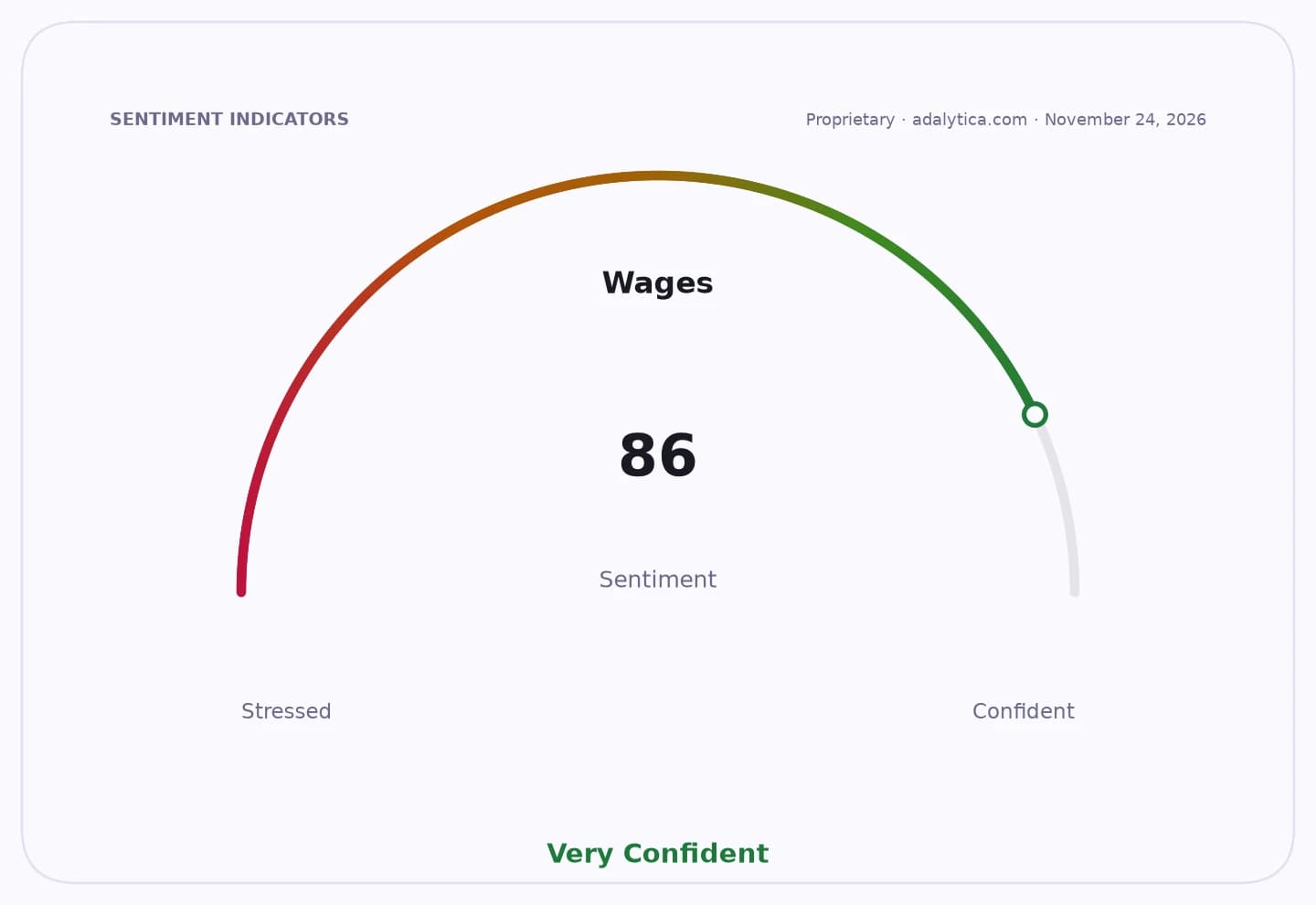
Sentiment Indicators
Wednesday’s October personal consumption expenditures report, the Fed’s preferred inflation gauge, is expected to show the main index rising 3.8% and the core measure 3.2% year on year, still well above the central bank’s 2% target. That matters because traders have already pushed up the odds of another rate increase on December 9 after a hotter-than-expected run of inflation prints and a Fed that is sounding less comfortable with easing too soon. The same day’s second estimate of third-quarter GDP will also keep attention on whether the economy can sustain 3.4% annualized growth while borrowing costs stay elevated.
For investors, this is not just a macro print. It is a direct referendum on the market’s most crowded trade. The S&P 500 has fallen 11.6% from its October peak and slipped below its 200-day moving average for the first time since April, while the Nasdaq-heavy QQQ and the XLK technology ETF have been hit even harder, underscoring how quickly momentum can reverse when confidence in AI spending weakens. The tech complex was already under pressure even after Nvidia’s strong earnings and Anthropic’s blockbuster IPO, a sign that earnings alone are no longer enough to keep the trade alive.
2% Target Confidence — 30-day sentimentadalytica.com
Explore this data interactively — full history, time series and cross-market comparisons.
2% Target Confidence
That disconnect is the real market story. Investors are starting to question whether the huge sums flowing into data centers, chips and compute infrastructure will generate returns fast enough to justify the valuations. Adalytica’s confidence gauge on the Fed’s 2% inflation target has slumped to 21, deep in fear territory, while long-term inflation expectations sit at 88, an extreme-greed reading that suggests the market is still uneasy about the inflation path even after the latest selloff.
The consumer backdrop may offer the counterweight, and that is why next week’s retail and spending data matter as much as the inflation report. Holiday shopping begins just as the Fed debate intensifies, and US consumption still accounts for roughly two-thirds of the economy. If spending holds up, it can cushion earnings outside tech, support the case for a soft landing and revive the rotation into retailers, industrials and other lagging sectors. If it disappoints, the market is left with high rates, slowing momentum and no fresh growth engine to replace the AI boom.
That is why the coming week could set the tone well beyond Wall Street. A resilient consumer and a benign PCE print would allow investors to argue the recent tech selloff is just a valuation reset. A sticky inflation reading, coupled with any sign holiday demand is weakening, would instead point to a more serious repricing of risk assets into December, with the biggest losers likely to be richly valued AI names and the beneficiaries more defensive sectors, cash-rich balance sheets and higher-quality bonds.
| Entity | Gains | Losses |
|---|---|---|
| Defensives | ▲Relative outperformance | ▼Momentum trade |
| AI infrastructure spenders | ▲Growth narrative if spending holds | ▼Valuation if returns disappoint |
| Fed hawks | ▲Stronger case for tighter policy | ▼Doves expecting early cuts |
| Consumers/retailers | ▲Holiday demand boost | ▼Higher rates and prices if spending weakens |