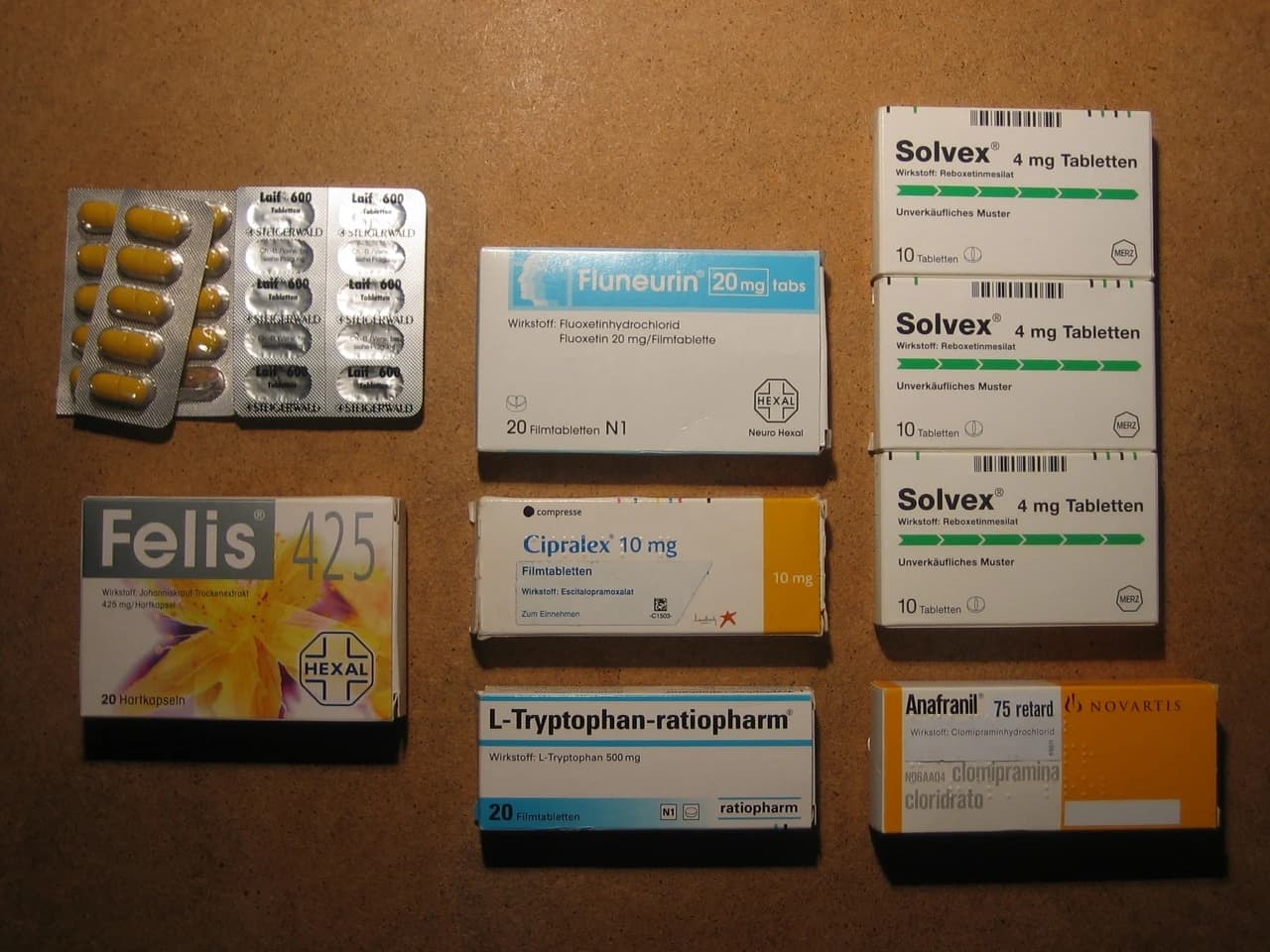
Australian Prime Minister Anthony Albanese has extended the country’s $25 prescription price cap to the end of the decade, arguing the move will ease living costs without adding to inflation at a time when his government is signaling fewer broad-based relief measures ahead.
Australia Extends $25 Prescription Price Cap
The decision matters because it locks in a politically popular subsidy while underscoring how constrained fiscal policy has become in Australia. Albanese said the cap extension, worth A$242 million, would be anti-inflationary, even as he warned voters not to expect much more cost-of-living help before Treasurer Jim Chalmers’ mid-year budget update in December. That combination points to a government trying to protect household purchasing power without risking a fresh lift in demand that could complicate the Reserve Bank’s inflation task.
Sentiment Indicators
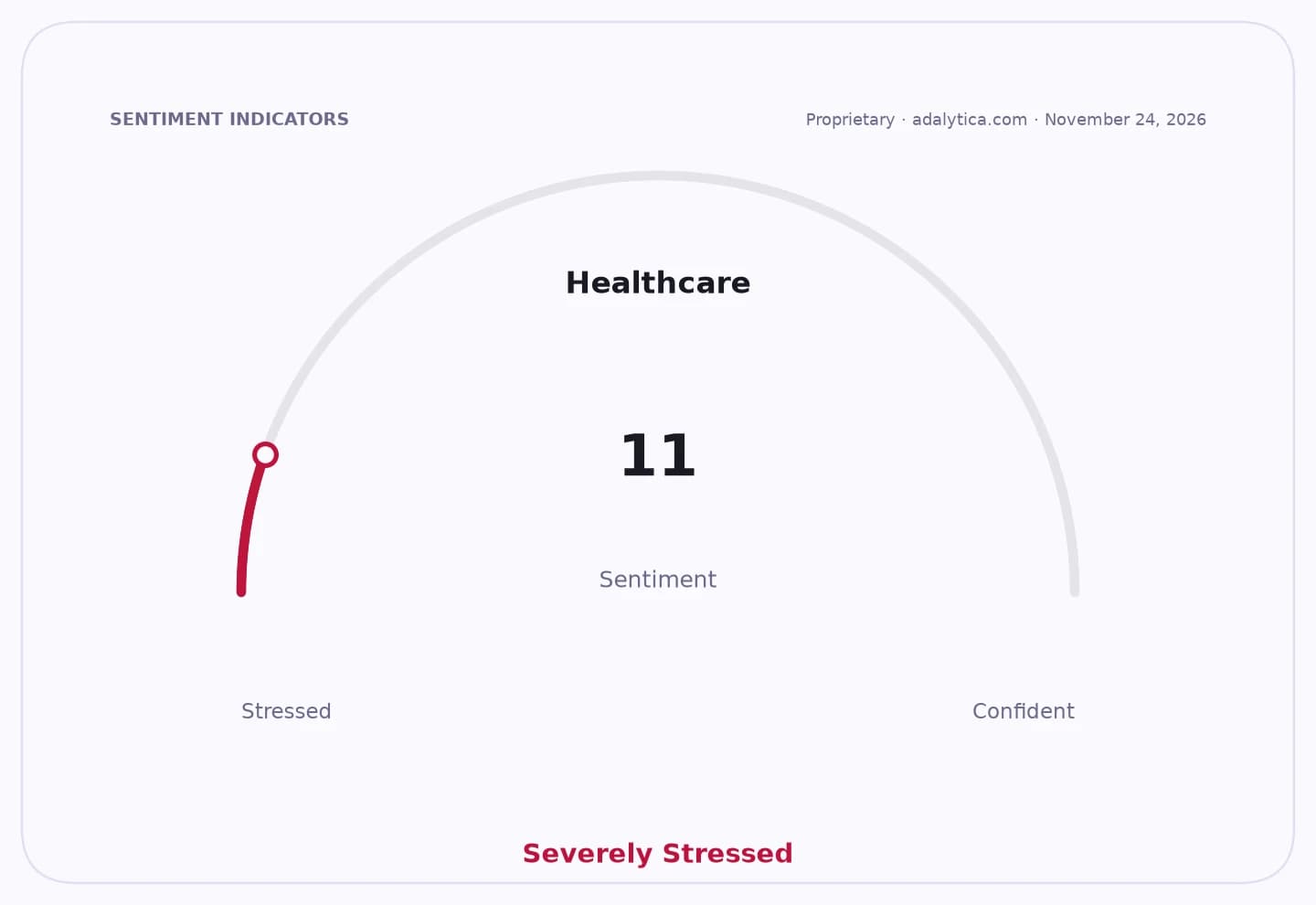
For investors, the immediate read-through is less about the prescription market than about the policy mix. A targeted healthcare subsidy is far easier for markets to absorb than a broader spending round, especially when policymakers are sensitive to the transmission from fiscal support into prices. The government is effectively choosing precision over stimulus, which may help anchor inflation expectations and reduce the odds of a more aggressive monetary response.
The broader backdrop remains a world in which drug pricing is politically sensitive and increasingly regulated. In the U.S., major pharmaceutical groups including Merck, Pfizer and Bristol Myers Squibb have warned in filings that government price-setting, payor pressure and tariff measures are weighing on pricing power and access. Australia’s cap extension is far less dramatic, but it fits the same global theme: medicines are becoming a policy lever rather than a purely market-priced product.
The move should be modestly supportive for consumers, and neutral to slightly negative for pharmacies and some drug suppliers that face tighter margins on capped scripts. For the government, the upside is electoral and economic: it can claim relief on household budgets while avoiding a larger fiscal impulse that might fan inflation.
What matters next is whether December’s budget update confirms that Albanese is relying on narrow, targeted measures rather than a wider cost-of-living package. If inflation continues to ease, that restraint could give the government room for selective support. If it does not, the prescription cap may end up being one of the few durable giveaways left.
| Entity | Gains | Losses |
|---|---|---|
| Australian households | ▲Lower prescription costs | ▼Less room for broader relief |
| Albanese government | ▲Political credit, anti-inflation stance | ▼Fewer fiscal options |
| Pharmacists and some suppliers | ▲Stable script volumes | ▼Tighter pricing margins |
| Inflation outlook | ▲Slightly less demand pressure | ▼None directly |