Vietnam is moving to tighten drug and medical-device pricing rules in a bid to stamp out inflated prices that have raised treatment costs for patients and added pressure to the state budget and health insurance fund.
Vietnam Drug Pricing Rules to Tighten
The proposed changes matter because they go to the heart of how medicines are bought, distributed and priced in a market where imported drugs remain heavily dependent on intermediaries. Officials say complex supply chains have created room for abuse, including cases in which companies set up multiple offshore entities to buy and resell equipment before import, inflating final prices paid in Vietnam.
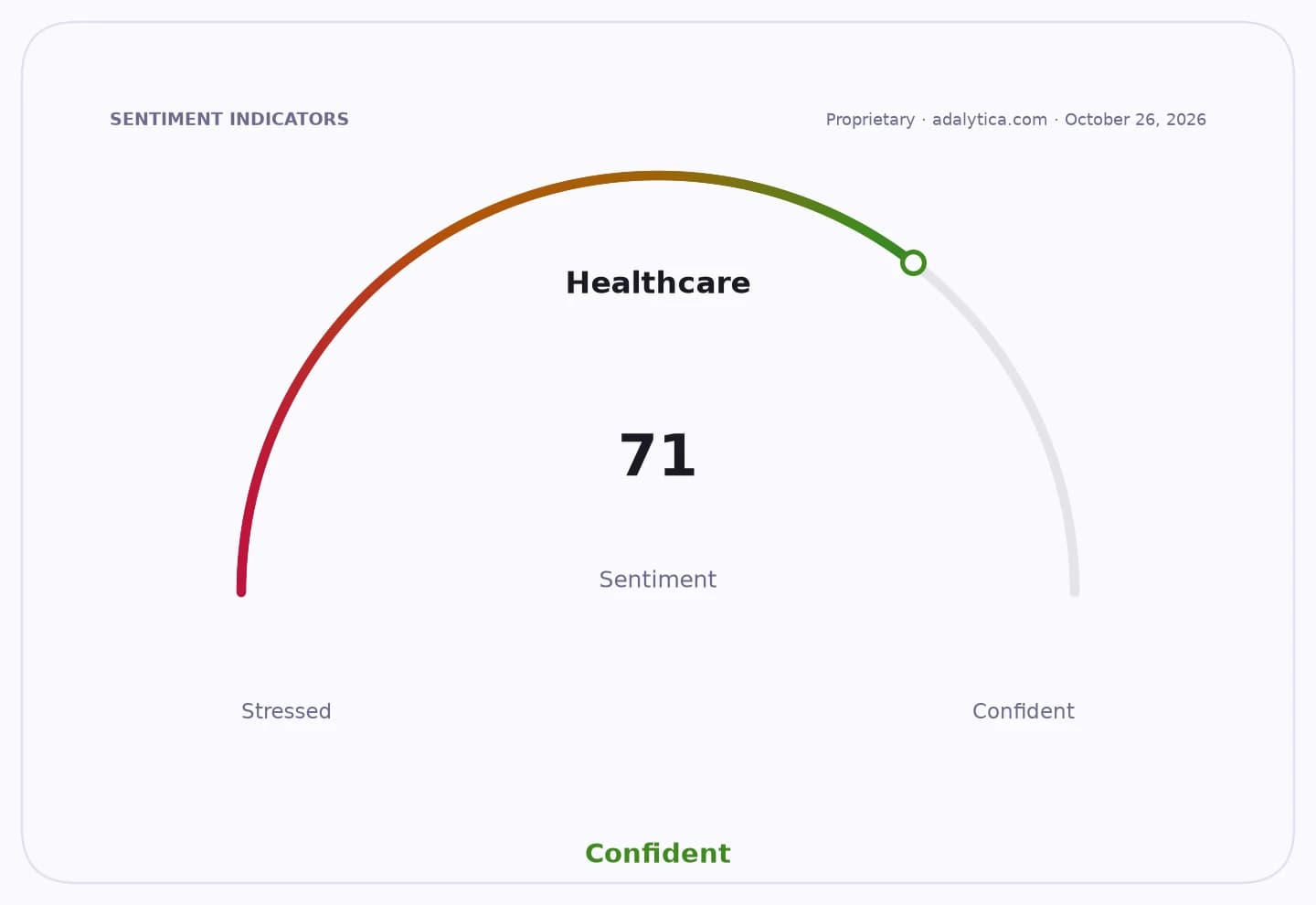
Sentiment Indicators

For investors, the issue is not just regulatory housekeeping. Drug pricing reform can reshape margins for distributors, hospital suppliers and foreign pharmaceutical groups trying to expand in Vietnam. It also affects the economics of local manufacturing, public procurement and market access for multinational drugmakers that currently face limits on direct distribution.
The bill under discussion would allow pricing declarations to be published after the fact in limited emergency cases, including pandemics, rare medicines and snakebite treatments, in an effort to prevent opportunistic markups during shortages. At the same time, the government is signaling that it still wants to attract foreign capital: overseas firms that build factories, transfer technology or localize production could win the right to supply hospitals directly.
That combination points to a broader policy shift. Vietnam is trying to lower costs for patients and public payers without closing the door to foreign suppliers. The challenge will be execution. If rules are tightened without reducing red tape in procurement, prices may stay elevated. If access is broadened too aggressively, regulators risk weaker oversight in a sector where affordability and patient safety are politically sensitive.
The legislation is scheduled for debate in the National Assembly on Nov. 9 and could be adopted on Nov. 21. Markets will be watching whether the final version meaningfully shortens supply chains, improves hospital purchasing and rewards companies that localize production over those that rely on import-driven pricing.
| Entity | Gains | Losses |
|---|---|---|
| Patients | ▲Lower treatment costs | ▼Fewer pricing abuses |
| State budget/BHyt fund | ▲Reduced reimbursements | ▼Less cost leakage |
| Foreign drugmakers localizing in Vietnam | ▲Direct hospital access | ▼Import-dependent distributors |
| Middlemen/distributors | ▲Regulatory scrutiny | ▼Higher compliance risk |