Vietnam is moving to rein in the cost of medicines and medical equipment, a policy shift that could reshape hospital procurement, trim pressure on public health spending and improve access to care for patients facing some of the country’s most opaque pricing in healthcare.
Vietnam plans medicine and device price reforms
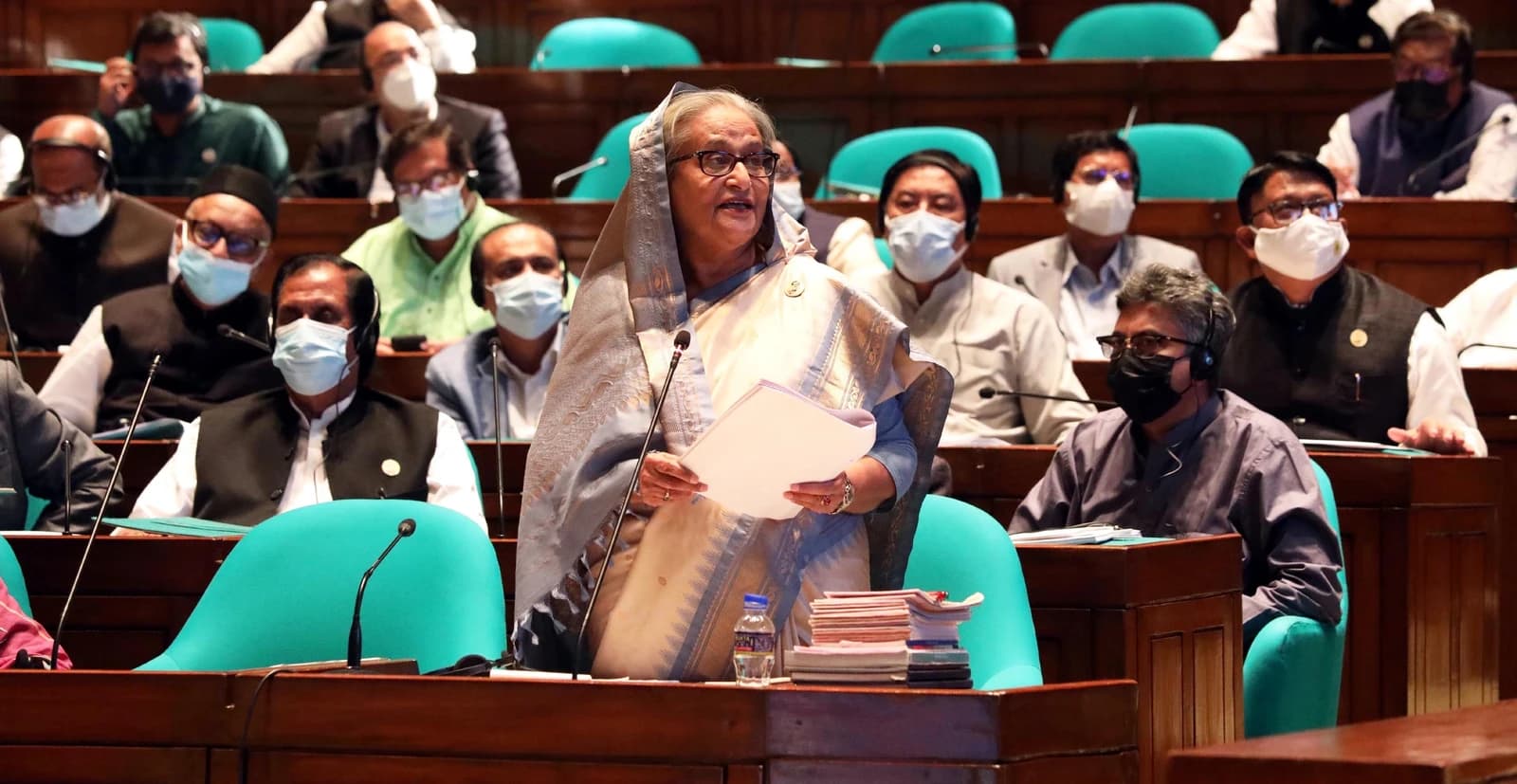
Prime Minister Le Minh Hung said the “very unreasonable” level of drug and device costs reflected too many intermediaries, weak rules and loopholes in execution, and urged lawmakers to rewrite the framework so hospitals and patients can buy at reasonable prices. The government is looking at a mix of centralized bidding for common products, direct negotiation for specialized items and tighter controls on pricing disclosure in urgent cases such as epidemics and rare drugs.
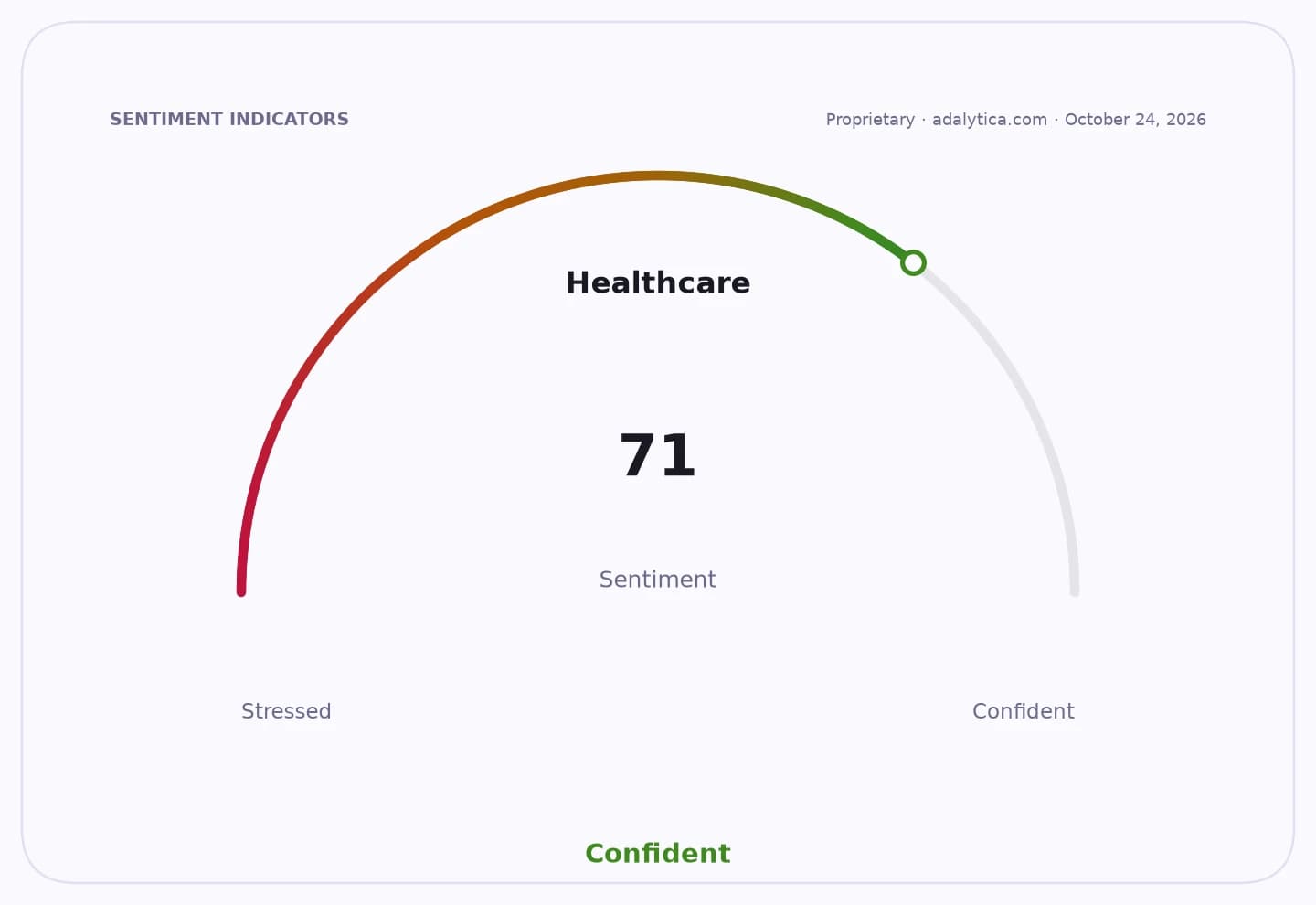
Sentiment IndicatorsⓘProprietary · adalytica.com · October 26, 2026
This is a snapshot — live sentiment, awareness and momentum for 130+ markets update continuously in the dashboard.Open AlphaPulse
The economic stakes are broad. When procurement costs are inflated, the burden does not stop at hospitals: it flows into out-of-pocket spending, state budget outlays and Vietnam’s health insurance fund. That makes medical inflation a fiscal issue as much as a social one, particularly in a country where many households remain price-sensitive and where public providers are still dependent on bureaucratic purchasing channels.
Hung’s comments also underscore a political push to close off arbitrage and procurement abuse. He cited investigations into firms that created layers of overseas entities and traded back and forth before products reached Vietnamese importers, pushing up prices and raising tax-evasion concerns. The message was that current market structure, not just demand, is allowing costs to be marked up before products reach hospitals.
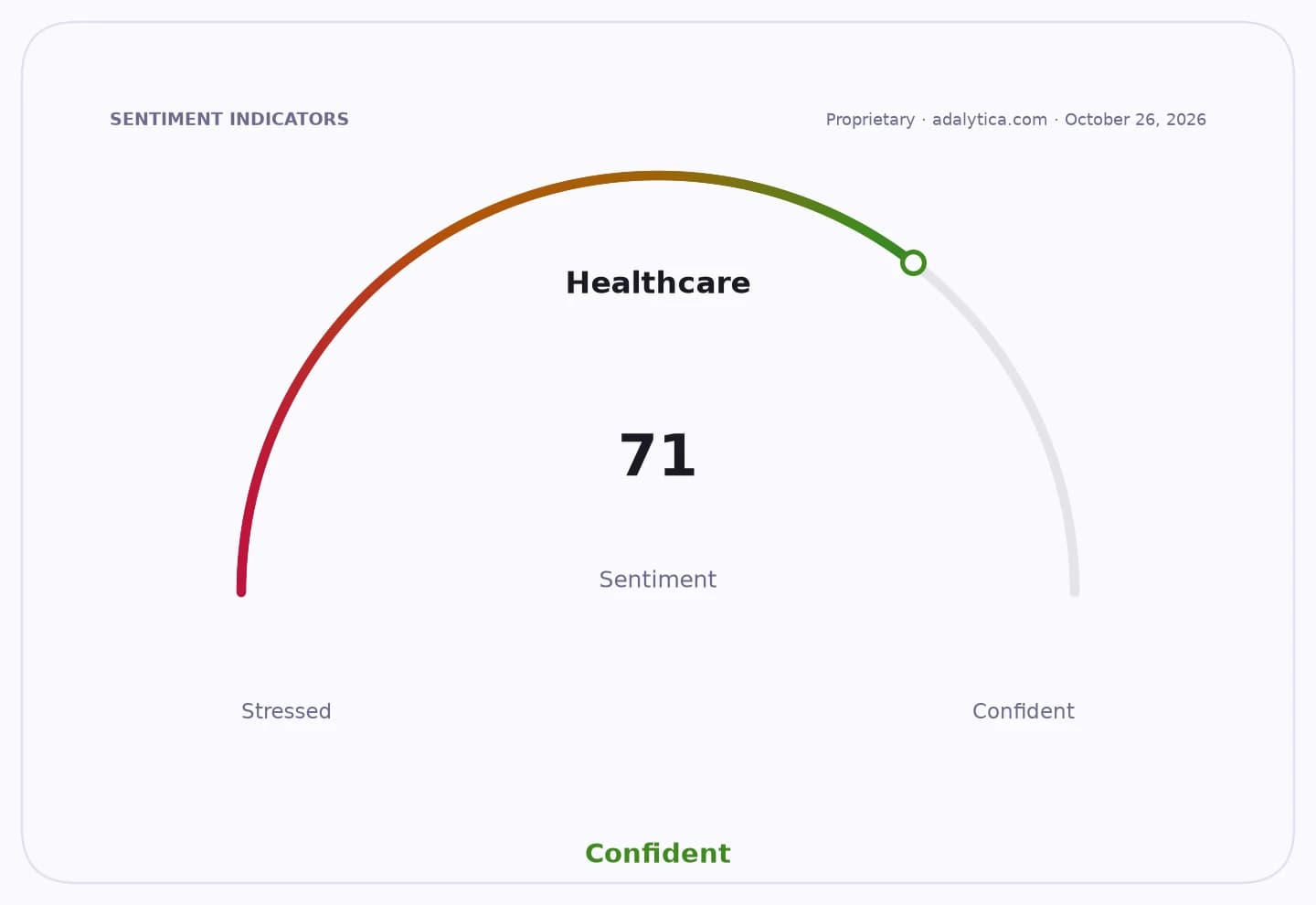
Healthcare — 30-day sentimentadalytica.com
Explore this data interactively — full history, time series and cross-market comparisons.Open AlphaPulse
For investors, the implications are mixed. Drug distributors, importers and intermediaries face the biggest risk if the state succeeds in bypassing them, tightening procurement rules and forcing more direct sourcing from manufacturers. That could compress margins in parts of the healthcare supply chain and reduce pricing power for firms that have relied on complex distribution networks.
At the same time, the reform could be positive for hospitals, insurers and patients if it lowers procurement costs and improves access, potentially easing claims pressure over time. The policy may also favor manufacturers with local production or technology-transfer footprints in Vietnam, after the health ministry said foreign companies that invest in factories and transfer technology can gain direct distribution rights. That would support the government’s wider goal of building a more self-reliant domestic pharmaceutical base.
The overhaul comes as health systems globally remain under cost pressure. In the U.S., healthcare equity exchange-traded funds such as the Health Care Select Sector SPDR and the iShares U.S. Healthcare Providers ETF have recently traded with elevated volatility as investors weigh pricing, utilization and reimbursement trends. In Vietnam, the immediate focus is less on market sentiment than on whether the new law can reduce one of the more persistent inefficiencies in public healthcare purchasing.
What matters next is whether lawmakers turn the prime minister’s demand into clear procurement rules that distinguish between high-volume products suitable for bidding and specialized medicines that require negotiation. If the framework is too rigid, it risks supply bottlenecks; if it is too loose, intermediaries will keep capturing value. Investors will be watching for signals on which companies can adapt to a lower-margin, more transparent system and which ones are exposed to a structural reset.
| Entity | Gains | Losses |
|---|---|---|
| Patients | ▲Lower medicine costs | ▼Fewer pricing distortions |
| Public hospitals | ▲Easier procurement | ▼Less room for intermediaries |
| State budget & health insurance fund | ▲Lower reimbursement pressure | ▼Higher scrutiny of spending |
| Importers/intermediaries | ▲Potentially less volume | ▼Margin compression |