Vietnam’s industry ministry wants to accelerate a switch to a five-tier household electricity tariff, a reform that could lower bills for about 94% of residential customers while shifting more of the cost burden onto the heaviest users. The move matters because it would reshape how power costs are distributed across more than 30 million households without changing the benchmark retail electricity price, making it one of the country’s most consequential near-term utility policy changes.
Vietnam seeks five-tier household electricity tariff

The Ministry of Industry and Trade is seeking comments on amendments to the government’s earlier decision that cut the household tariff structure from six tiers to five, but left the new system unimplemented because of a transitional clause. By proposing to delete that clause, the ministry is trying to unlock a change that has been stalled since the May and June decisions were issued.
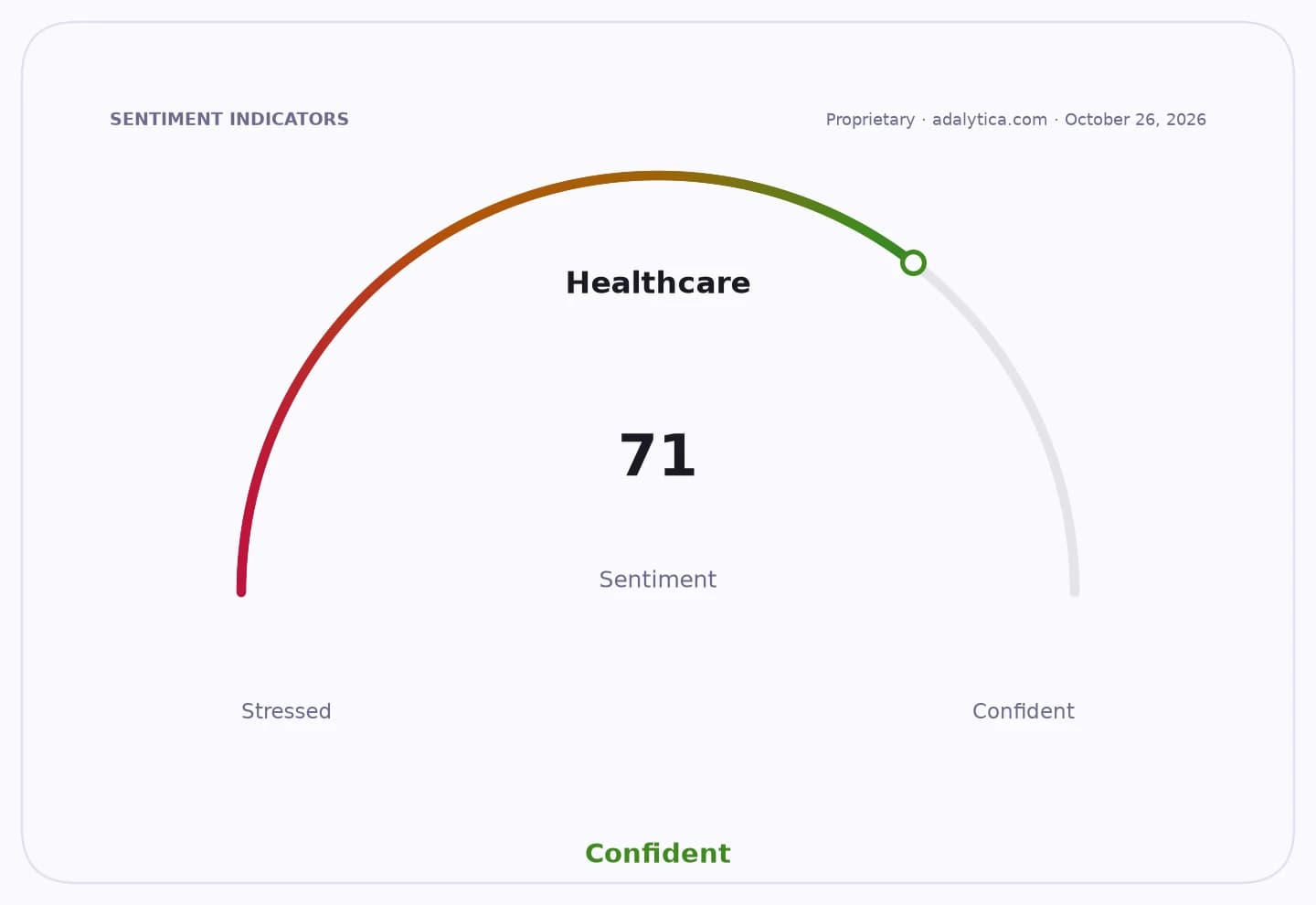
Sentiment IndicatorsⓘProprietary · adalytica.com · October 26, 2026
This is a snapshot — live sentiment, awareness and momentum for 130+ markets update continuously in the dashboard.Open AlphaPulse
Under the draft, the first 100 kilowatt-hours would be priced at 90% of the current average retail power price, the second tier at 108%, the third at 136%, the fourth at 162% and consumption above 701 kWh at 180%. The average retail tariff would stay unchanged at 2,204.07 dong per kWh, but individual bills would shift because of the new banding.
That design is politically and economically important. Vietnam is trying to cushion the vast majority of households while preserving a progressive tariff structure that charges more for higher consumption. The ministry says customers using less than 777 kWh a month account for around 94% of households and roughly 73% of residential electricity use. On its estimate, those households would pay less than they do now, with the biggest savings for users around 400 kWh a month.
The losers would be the small group of high-consumption households, which are more exposed to the top tier’s 180% rate. A household using 1,182 kWh a month, the ministry’s average for customers above 700 kWh, would see its bill rise by nearly 190,000 dong a month. A customer using 778 kWh would pay roughly the same as under the current system.
For investors, the main implication is that the reform reduces the risk of a broad-based shock to consumer spending and household inflation, while still signaling that policymakers want to keep electricity pricing aligned with usage. That matters for utilities, retailers and consumer-facing businesses because the ministry is not changing the average tariff level, only the distribution across customers. The reform therefore looks less like a general price hike than a redistribution of the bill.
Still, the change could become a template for future tariff adjustments if Vietnam continues to balance affordability with the need to recover power-sector costs and support grid investment. The policy would also be watched closely by regulators and state utilities because it narrows the political exposure of a tariff reform by concentrating higher bills on a relatively small share of customers.
The ministry’s push follows earlier parliamentary scrutiny, with the National Assembly’s petitions and oversight committee urging clearer timing so households can benefit sooner. If approved quickly, the new structure would shift Vietnam’s residential power pricing away from the current six-tier system and toward a simpler but more explicitly progressive model, with the biggest economic effect falling on large users rather than the mass market.
| Entity | Gains | Losses |
|---|---|---|
| Most households | ▲Lower electricity bills | ▼None materially |
| High-consumption users | ▲No major benefit | ▼Higher monthly bills |
| Government policymakers | ▲Clearer tariff reform | ▼Political pressure if bills rise |
| Power utilities | ▲Better pricing structure | ▼Less room to spread costs evenly |