Namibia’s inflation story is being driven by one force that investors and policymakers cannot ignore: energy. Annual consumer price growth accelerated to 5.4% in September from 5.0% in August as fuel, transport and electricity-linked costs pushed up the price of moving around, keeping the lights on and buying everyday goods.
Namibia Inflation Rises on Fuel and Transport Costs
That matters because this is not a narrow price spike in one category. Transport alone added 2.2 percentage points to the inflation rate, while housing, water, electricity, gas and other fuels contributed another 1.0 percentage point, according to the Namibia Statistics Agency. For households, it means more of every dollar goes to taxi fares, diesel, rent and power bills. For businesses, it means higher distribution costs that can eventually wash through to grocery shelves and service prices.
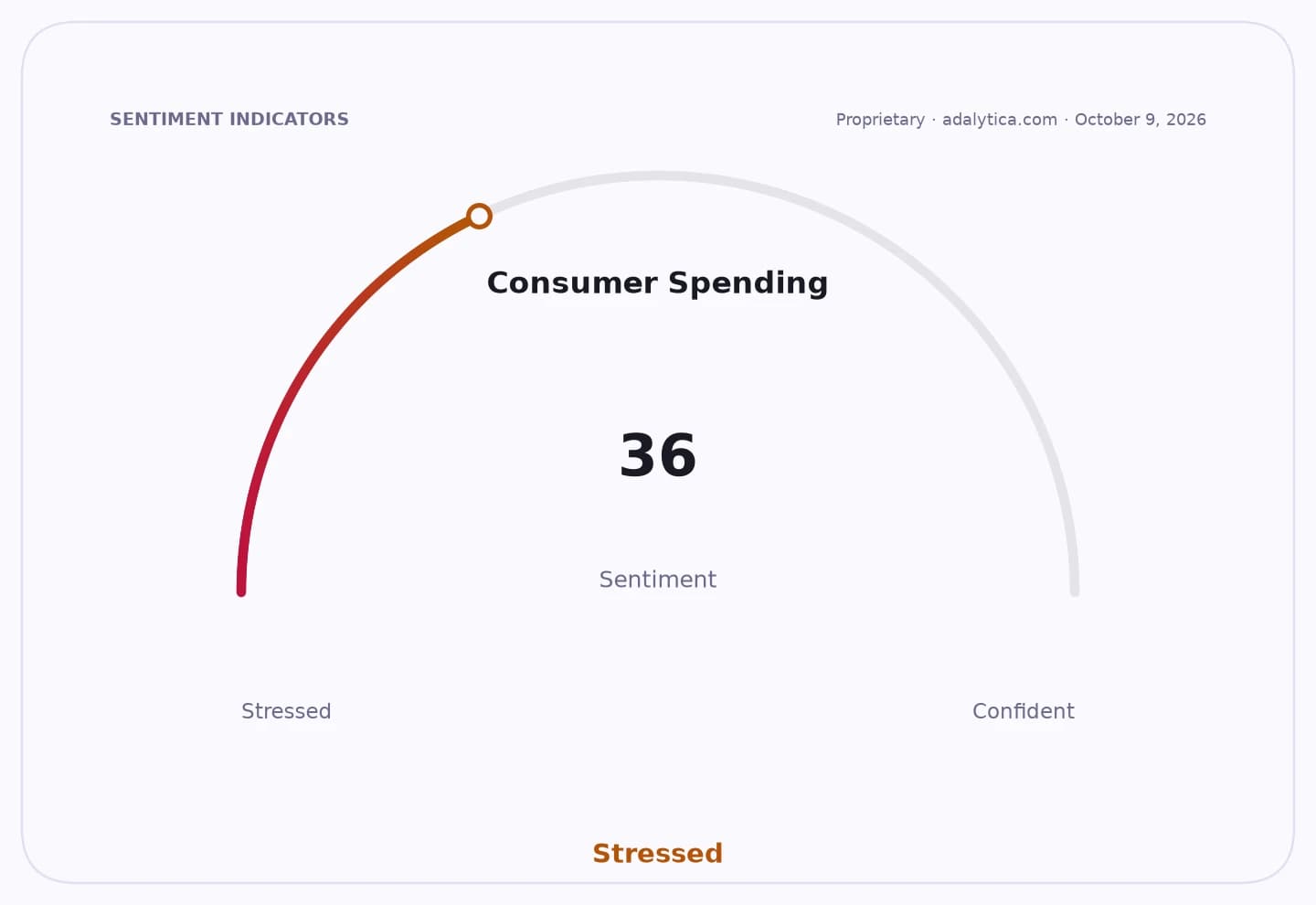
Sentiment IndicatorsⓘProprietary · adalytica.com · October 15, 2026
This is a snapshot — live sentiment, awareness and momentum for 130+ markets update continuously in the dashboard.Open AlphaPulse
The biggest pressure point is transport inflation, which surged to 14.9% year on year, the highest of any spending category. Personal transport equipment was up 20.1%, while petrol and diesel prices rose 30.4%. Public transport also got more expensive, with air fares up 22.1%, taxi fares up 15.4%, rail transport up 15.7% and bus fares up 12.6%.
The latest fuel adjustment explains much of the strain. In September, petrol rose by 60 cents a litre and diesel by N$1.60 a litre after the Ministry of Industries, Mines and Energy cited higher international fuel costs and import pressure. That ties Namibia’s inflation path directly to global oil markets, where swings can quickly feed into local prices because the economy depends heavily on imported fuel.
This is why the inflation print matters beyond the headline number. Namibia’s housing, water, electricity, gas and other fuels category carries a 28.4% weight in the consumer basket, and it still ran at 4.2% inflation. Food inflation also remained positive at 4.0%, even though some staples eased from last year. The result is a squeeze on real disposable income at a time when consumers are already absorbing cost increases in commuting and utilities.
For investors, the setup argues for a selective inflation trade rather than a broad one. Higher fuel and transport costs tend to favor energy-linked exposures and logistics pass-through businesses, while pressuring consumer discretionary spending, transport-sensitive retailers and margin-thin operators that cannot fully reprice. Globally, crude has been volatile, with US oil recently trading around the high-$90s to $100 area, reinforcing the risk that Namibia’s imported inflation could stay sticky if energy markets remain tight.
The regional split also matters. Khomas, the country’s commercial center, posted the highest annual inflation rate at 6.2%, while Zone 3 was at 5.8% and the northern regions at 4.3%. That tells you the pain is not evenly distributed: urban commuters and households with larger energy and transport bills are bearing the heaviest burden, which can weaken consumer demand where spending is most concentrated.
My view is that the market underestimates how persistent imported inflation can be in smaller, fuel-dependent economies. If oil stays elevated and transport tariffs continue to reset higher, Namibia’s inflation will remain biased upward even if food eases. That keeps pressure on household budgets, narrows policy flexibility and raises the value of companies and assets that can benefit from sustained energy pricing power, cost pass-through and infrastructure spending.
The key takeaway: Namibia’s September inflation jump is an energy-cost story, not a one-off data point. If you are positioning ahead of the next few quarters, focus on businesses that win from higher fuel-linked spending and avoid those most exposed to compressed consumer purchasing power.
| Entity | Gains | Losses |
|---|---|---|
| Oil producers | ▲Higher fuel-linked revenue | ▼Consumers and fuel importers |
| Transport operators | ▲Pricing power on fares | ▼Daily commuters |
| Utilities and fuel distributors | ▲Cost pass-through opportunities | ▼Households and small businesses |
| Consumer retailers | ▲Essentials demand holds up | ▼Discretionary spending margins |