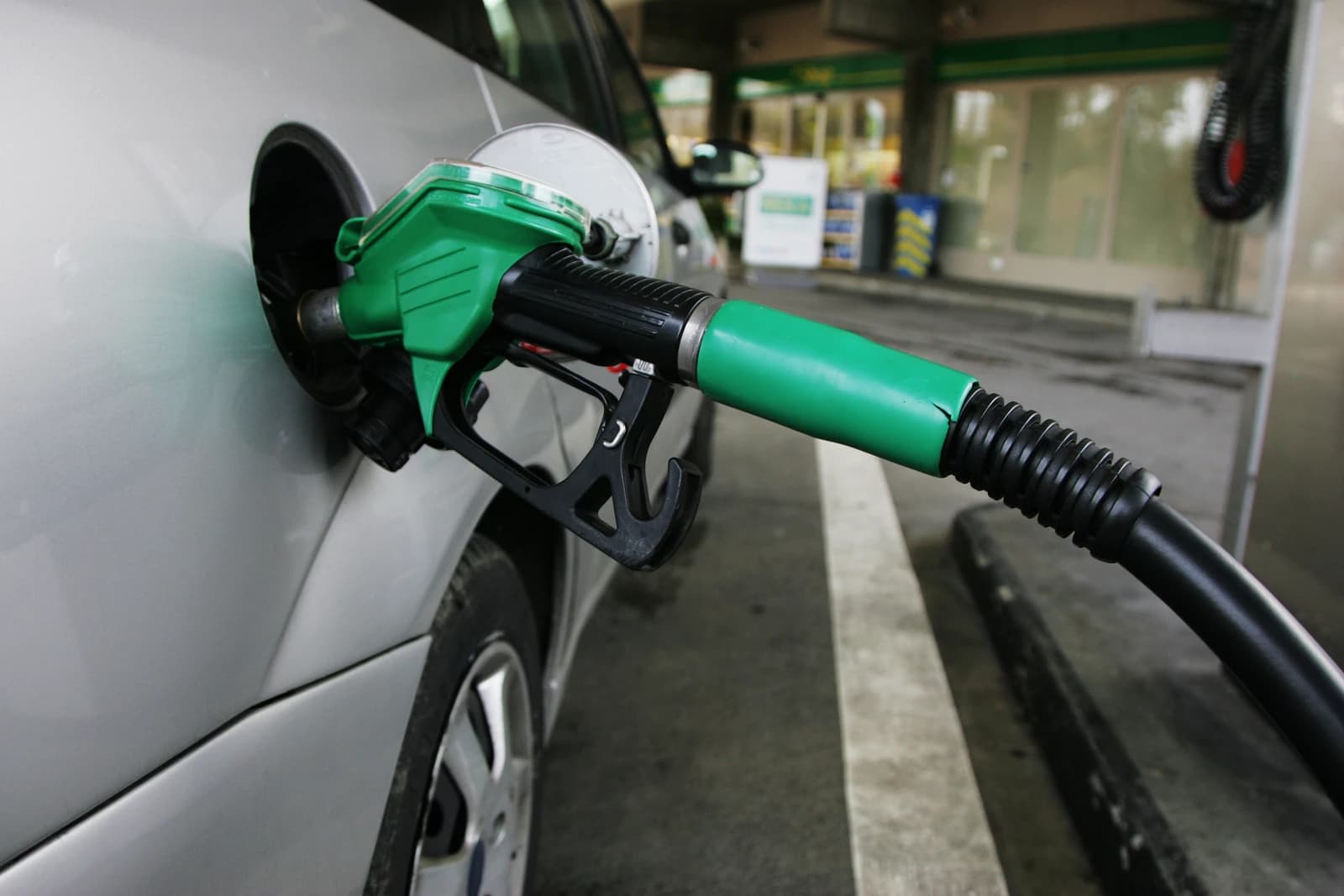
US consumer inflation likely accelerated in September, and the biggest reason is gasoline: pump prices rose about 9% as geopolitical tensions around the Iranian conflict kept crude markets tight and energy costs elevated.
WTI near 96 lifts gasoline and energy stocks
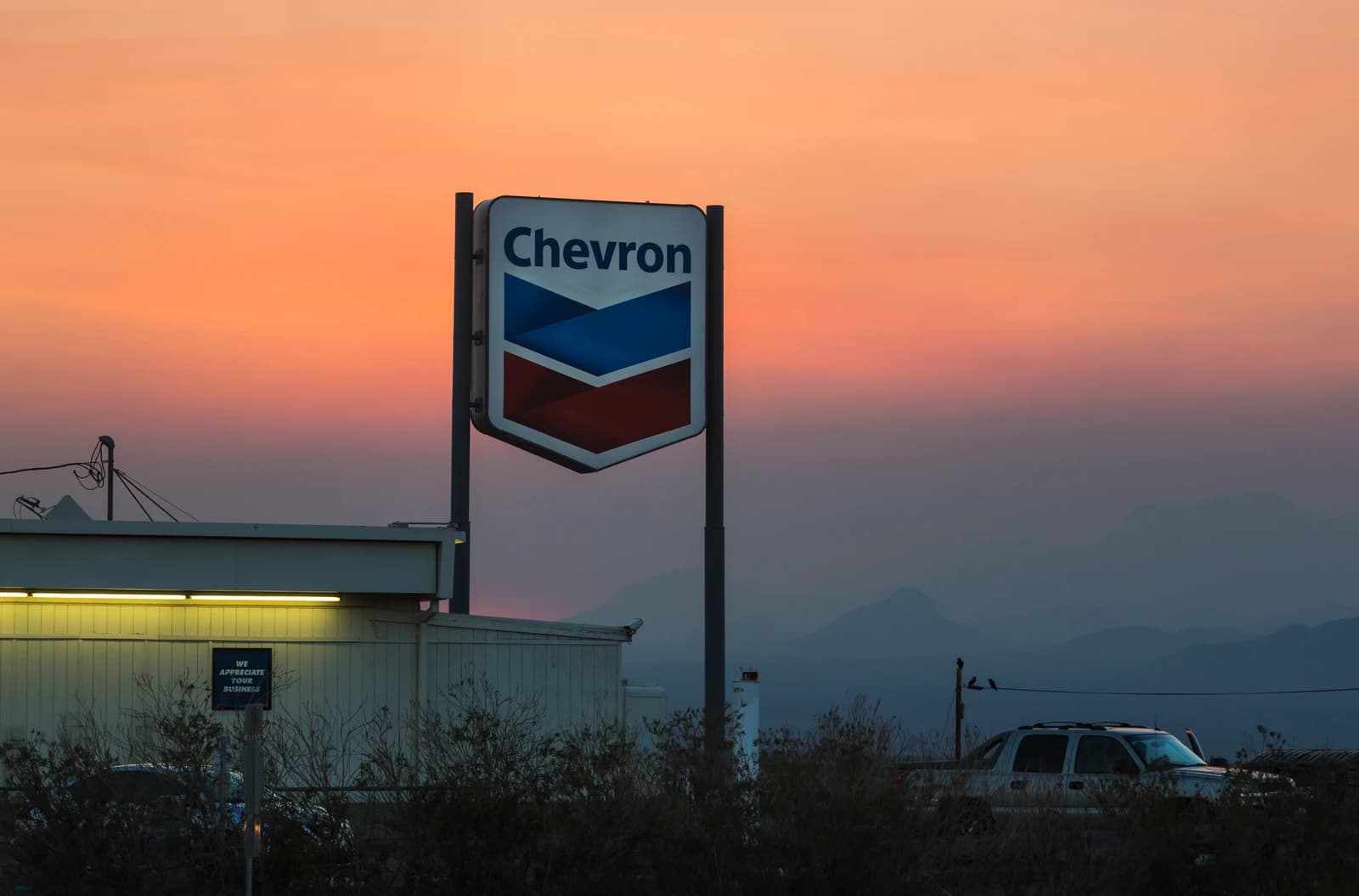
That matters because fuel is still one of the fastest ways higher oil prices filter into household budgets, headline CPI and, eventually, Federal Reserve policy. A September inflation print of 3.7% would mark the hottest reading in four months and remind markets that the disinflation trade is fragile whenever energy turns.
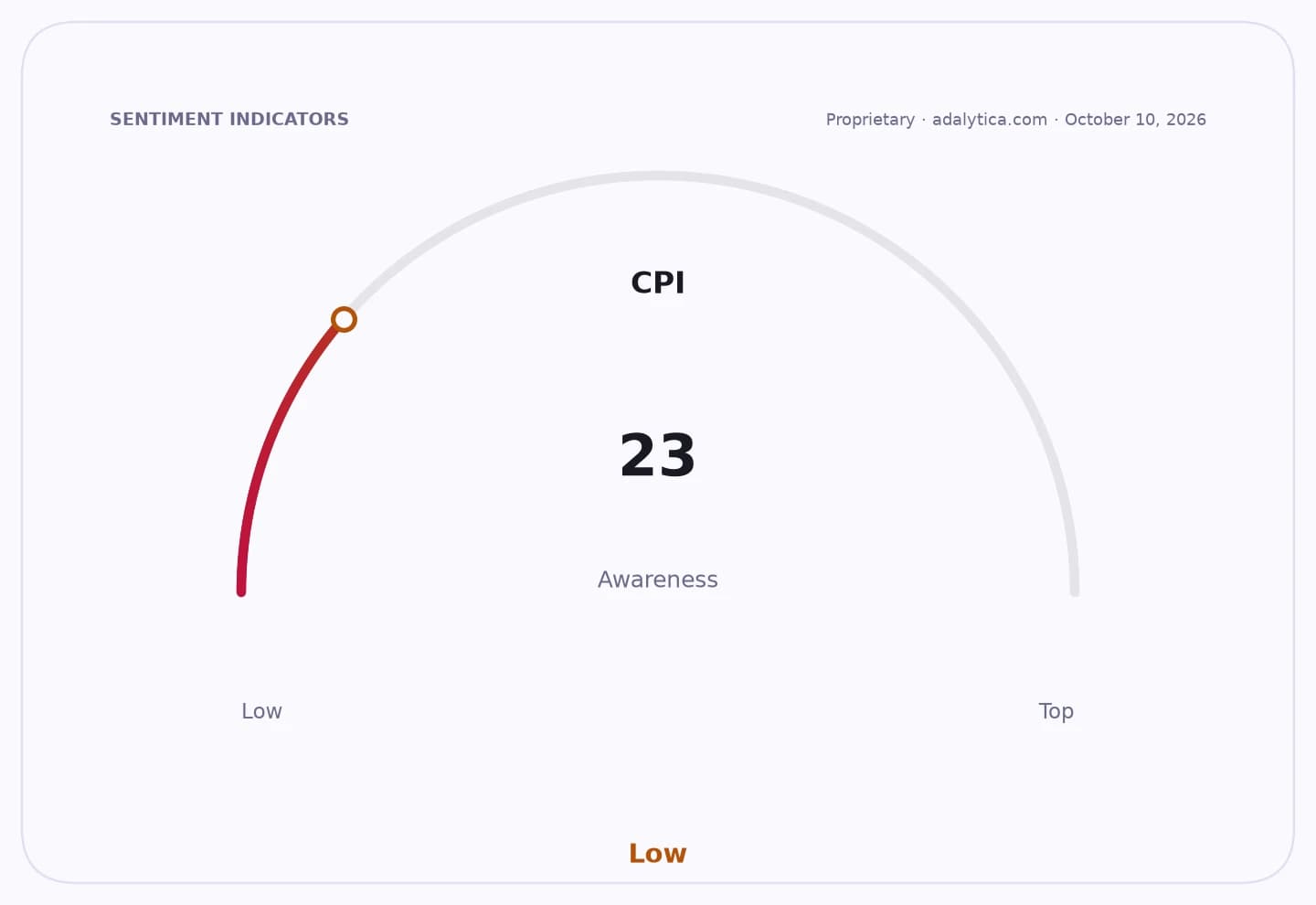
Sentiment IndicatorsⓘProprietary · adalytica.com · October 14, 2026
This is a snapshot — live sentiment, awareness and momentum for 130+ markets update continuously in the dashboard.Open AlphaPulse

Crude itself has not been quietly cooperating. West Texas Intermediate has climbed to around $96 a barrel, up from the mid-$80s in recent months and far above levels that would ease pressure on consumers. The move is already showing up in fuel-sensitive assets: the United States Oil Fund, UGA, has surged to about $146.41 from roughly $87 in early March, while the Energy Select Sector SPDR, XLE, has pushed to about $67.49, both reflecting renewed investor demand for oil exposure.
For investors, the message is straightforward. Higher gasoline prices are bad for airlines, retailers and discretionary spending, but they are a tailwind for integrated producers, refiners and energy ETFs. Chevron has moved to about $220.81 and remains well above its 200-day moving average, while XLE is trading near its highs and well above long-term trend support, a sign that the market is still paying up for energy cash flow rather than betting on a quick reversal.
DCOILWTICO vs CPIAUCSL — macro contextadalytica.com
Explore this data interactively — full history, time series and cross-market comparisons.Open AlphaPulse
The macro risk is that sticky fuel inflation complicates the Fed’s path just as households are starting to feel the squeeze. Adalytica’s CPI sentiment gauge sits at “Extreme Greed,” suggesting the inflation narrative is already front and center for traders, while consumer-spending sentiment remains elevated but vulnerable if gasoline stays high into year-end.
The trade from here is not just about one CPI report. If oil stays near current levels, inflation expectations can reprice quickly, keeping energy stocks bid and leaving defensives, transports and rate-sensitive consumer names exposed. For investors looking for the asymmetric setup, the winners are the companies selling the fuel, not the households paying for it.
| Entity | Gains | Losses |
|---|---|---|
| Chevron / Big Oil | ▲Higher cash flow | ▼Greater political scrutiny |
| XLE / Energy ETFs | ▲Sector inflows | ▼Underweight growth investors |
| Gasoline consumers | ▲None | ▼Squeezed household budgets |
| Airlines / retailers | ▲None | ▼Higher input and travel costs |