Australian shares are under fresh pressure as the escalation in the Iran conflict sends crude oil above $100 a barrel, stoking global inflation worries and threatening to keep interest rates elevated for longer.
Australia Shares Fall as Oil Tops $100
That matters because higher energy costs work their way through the entire economy. They raise transport, manufacturing and household bills, and they complicate the job of central banks already trying to bring inflation back under control. For Australia, where investors are closely watching the outlook for consumer spending and corporate margins, the oil spike is a direct negative for sentiment and a headwind for equities.
Sentiment IndicatorsⓘProprietary · adalytica.com · September 10, 2026
This is a snapshot — live sentiment, awareness and momentum for 130+ markets update continuously in the dashboard.Open AlphaPulse
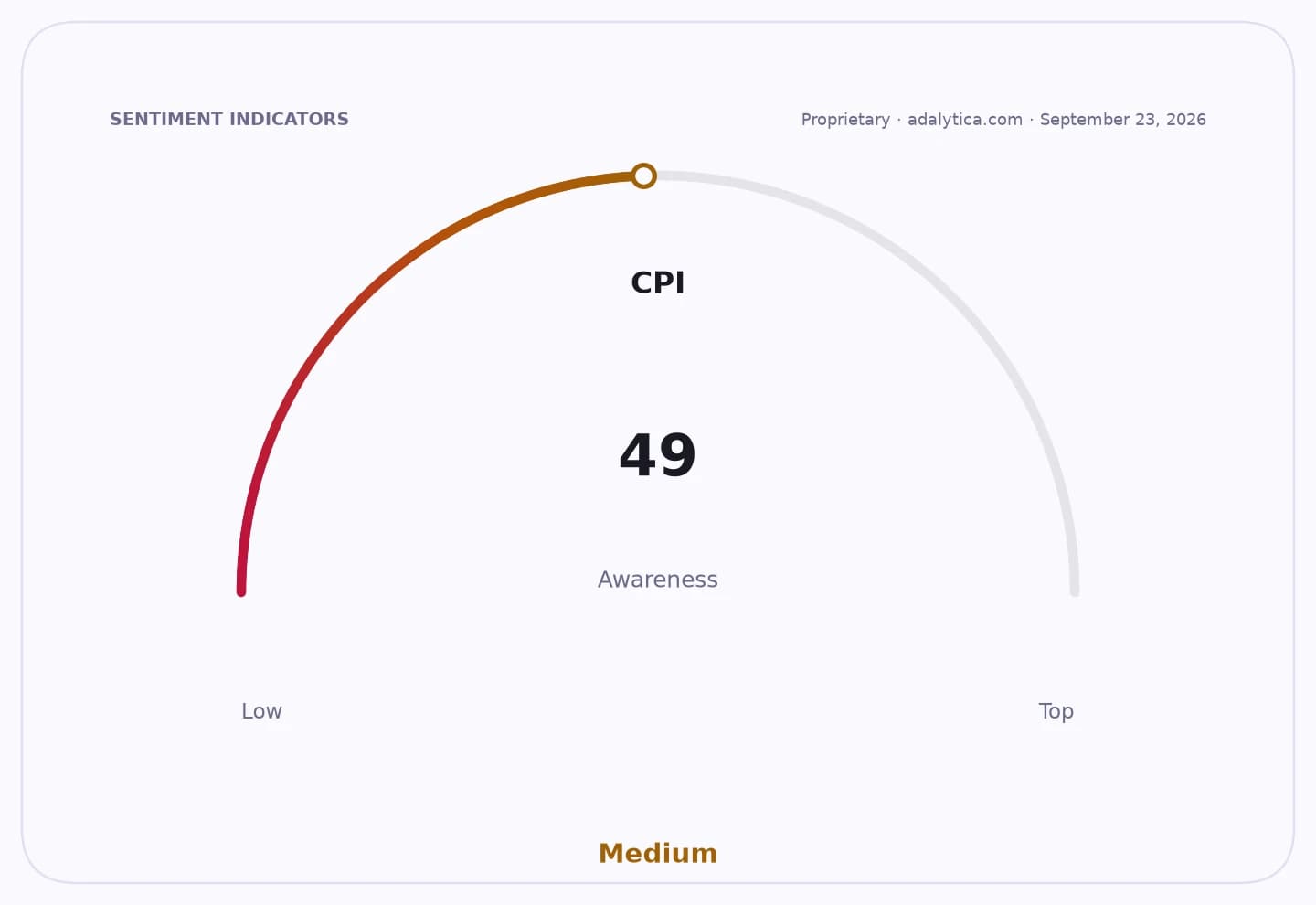
The broader market backdrop is already fragile. The S&P 500 is flashing extreme fear in Adalytica’s trade-signal snapshot, while CPI sentiment remains in fear territory, underscoring how quickly investors are pricing in the risk that geopolitics turns into a policy problem. In bond markets, the U.S. 10-year yield is hovering around 4.8%, a level that keeps pressure on growth stocks and on any valuation built on lower-for-longer rates.
For Australian investors, the key question is not just whether shares wobble for a few sessions, but which businesses can absorb the shock. Energy producers and oil-linked names tend to benefit when crude jumps, and that helps explain why miners and resource-heavy portfolios often look comparatively resilient in inflation scares. BHP shares have held well above their 50-day and 200-day moving averages, while U.S. oil majors Exxon Mobil and Chevron have also been firm, reflecting the market’s instinct to seek out cash-generating businesses when geopolitical risk rises.
The losers are easier to spot: airlines, transport groups, consumer discretionary stocks and companies dependent on cheap energy all face margin pressure. Import-dependent economies and sectors sensitive to household spending can feel the squeeze fastest, especially if central banks decide the oil shock is large enough to delay rate cuts or even keep policy tighter for longer. That is the economic channel investors should care about most.
The long-term lesson for investors is that oil shocks rarely stay confined to commodities. They ripple into inflation expectations, bond yields, earnings forecasts and equity valuations. For buy-and-hold investors, the best response is usually not to chase every swing in the headline indices, but to stay diversified, keep an eye on the businesses with real pricing power, and use volatility to build positions in durable companies with strong balance sheets and free cash flow. This is the kind of market where patience still pays.
| Entity | Gains | Losses |
|---|---|---|
| Energy producers | ▲Higher crude prices | ▼Oil importers |
| Australian miners | ▲Inflation hedge appeal | ▼Rate-sensitive sectors |
| Consumers | ▲None | ▼Fuel and living costs |
| Rate-cut hopeful investors | ▲None | ▼Higher-for-longer interest rates |