Autocallable exchange-traded funds are emerging as the latest answer to investors’ hunger for income, with a 3.0% yield pitch that fits a market still pricing in sticky interest rates, moderate credit risk and elevated demand for structured products.
Autocallable ETFs Draw Income Investors

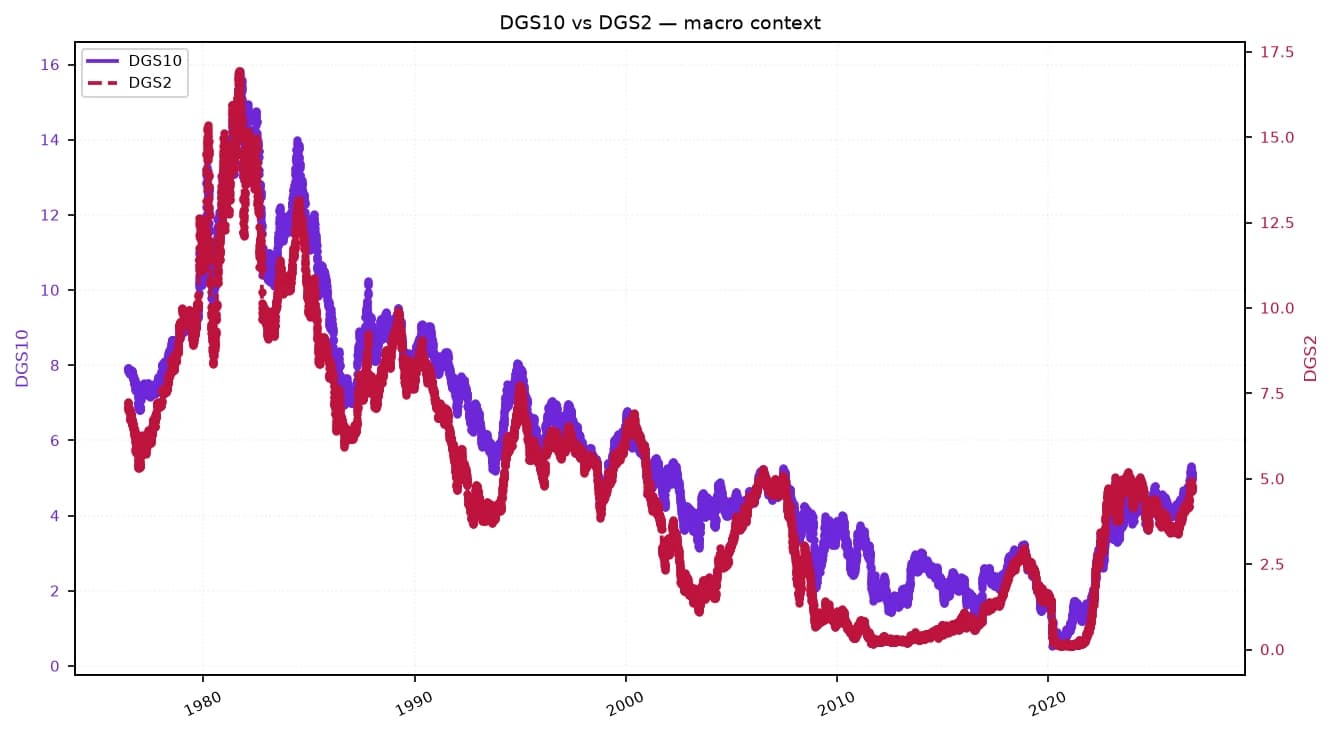
The appeal is straightforward: after a long rate cycle that has lifted the federal funds rate to about 3.9% and left the 10-year Treasury near 4.9%, investors no longer need to reach as far for cash-like returns. But the structure matters because autocallable ETFs are not plain-vanilla bond substitutes. They package derivatives exposure into an ETF wrapper, offering a repeatable income stream in exchange for path-dependent risk, capped upside and the possibility of early redemption if markets move in the issuer’s favor.
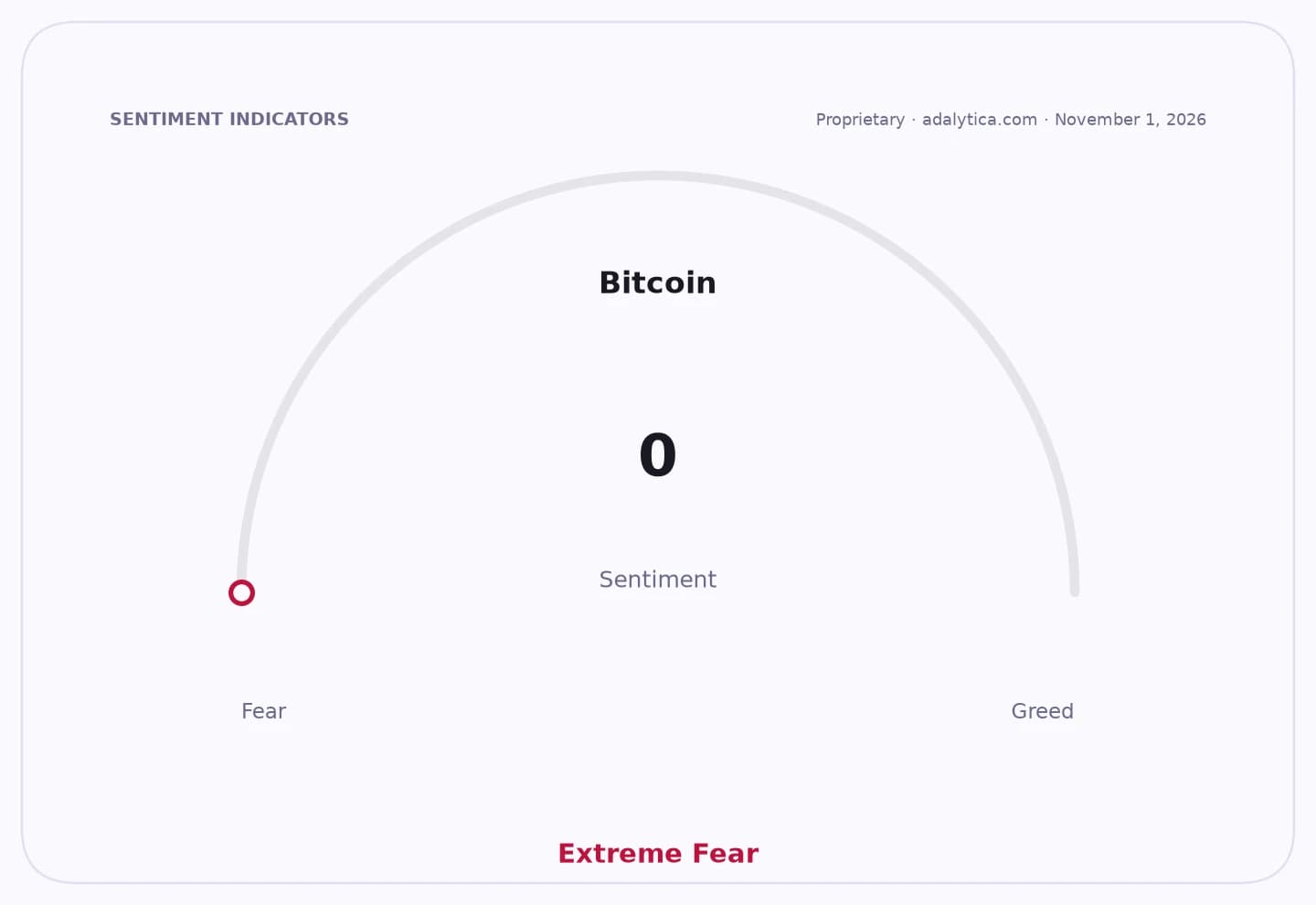
Sentiment Indicators
That is why the product wave matters economically. In an environment where high-yield credit spreads have widened to about 3.5 percentage points from roughly 3.0% in February and then narrowed again, the demand for engineered yield reflects a broader shift in how investors are allocating risk. The more cautious interpretation is that autocallable ETFs are simply the latest rebranding of yield pickup at a time when traditional fixed income still looks relatively attractive. The bullish view is that they broaden access to a market previously dominated by institutional desks and private-bank clients, helping transfer some derivative income from over-the-counter notes into a more transparent listed format.
For banks, that shift is strategically important. JPMorgan, Goldman Sachs and Morgan Stanley all have the trading scale, derivatives infrastructure and distribution reach to benefit if autocallable ETFs become a durable sleeve of the income market. Their shares have tracked that optimism unevenly, with JPMorgan and Goldman trading near or above their 50-day moving averages while Morgan Stanley has been more volatile, reflecting how investors weigh trading and structuring revenue against balance-sheet and market-risk exposure. Goldman’s and JPMorgan’s filings also underscore how central derivatives remain to market-making and risk management, a reminder that these products are not a side business but a core extension of their capital-markets franchises.
The macro backdrop helps explain the timing. Fed policy expectations remain near 3.9%, while the 10-year Treasury yield at roughly 4.9% keeps fixed income competition alive without eliminating the case for structured income. At the same time, high-yield spreads have only recently stabilized after moving wider in the spring, suggesting investors are still willing to buy income when the payoff is clear and the downside is understood. That leaves autocallable ETFs positioned between two competing forces: the convenience and liquidity of ETFs, and the complexity and conditionality of structured notes.
The key question for investors is whether the 3.0% yield is compensation enough for the embedded risks. Bulls argue the wrapper improves accessibility, pricing transparency and secondary-market liquidity versus bespoke notes. Bears counter that the ETF label may obscure the fact that autocallable payoffs can underperform in stressed or trending markets, especially if the underlying stays below call levels or gaps sharply lower. The outcome will depend less on the headline yield than on whether investors understand the product’s embedded options exposure.
For now, autocallable ETFs look less like a niche innovation than an indication that the hunt for income is moving further into derivatives. If the products gather assets, they could give banks a new fee pool and give investors another way to monetize a market that still offers decent yields but little room for complacency.
| Entity | Gains | Losses |
|---|---|---|
| Banks / issuers | ▲New fee revenue | ▼Higher structuring risk |
| Investors seeking income | ▲Access to derivative yield | ▼Capped upside, hidden risks |
| Traditional bond funds | ▲None | ▼Some yield-seeking outflows |
| OTC structured-note desks | ▲Broader market access | ▼Lower exclusivity |